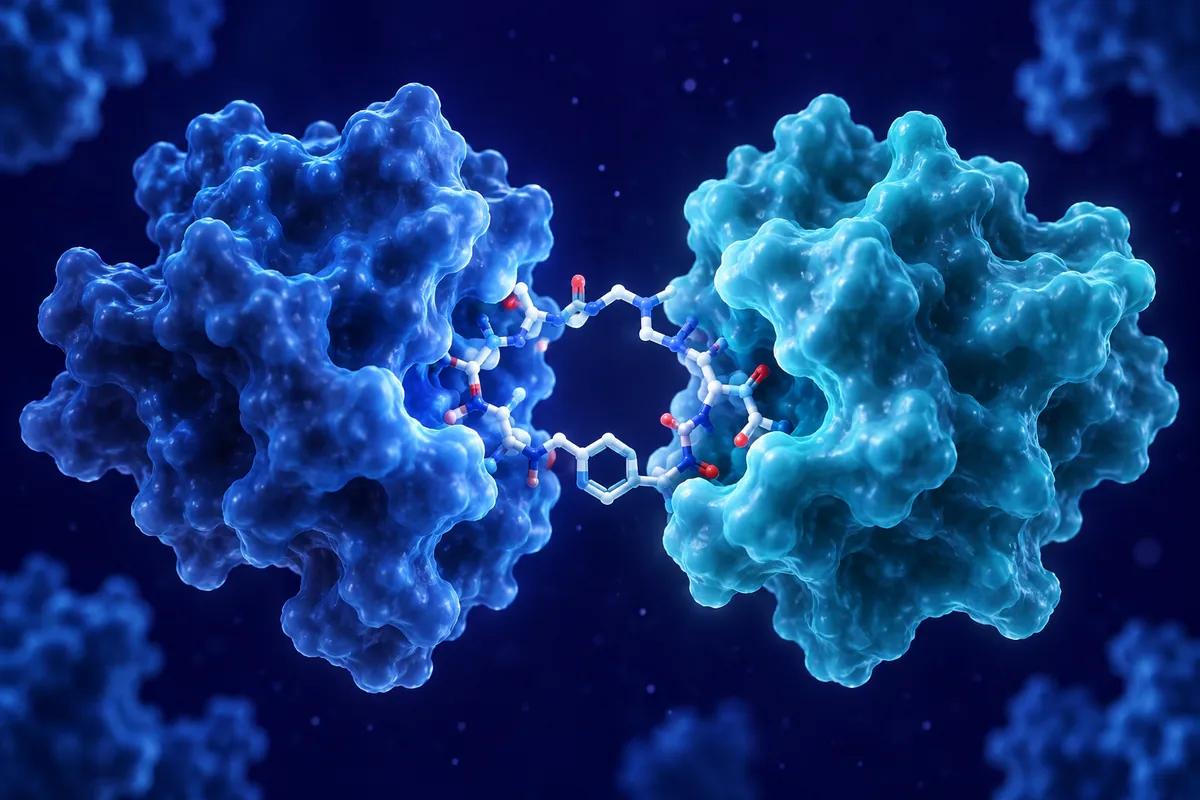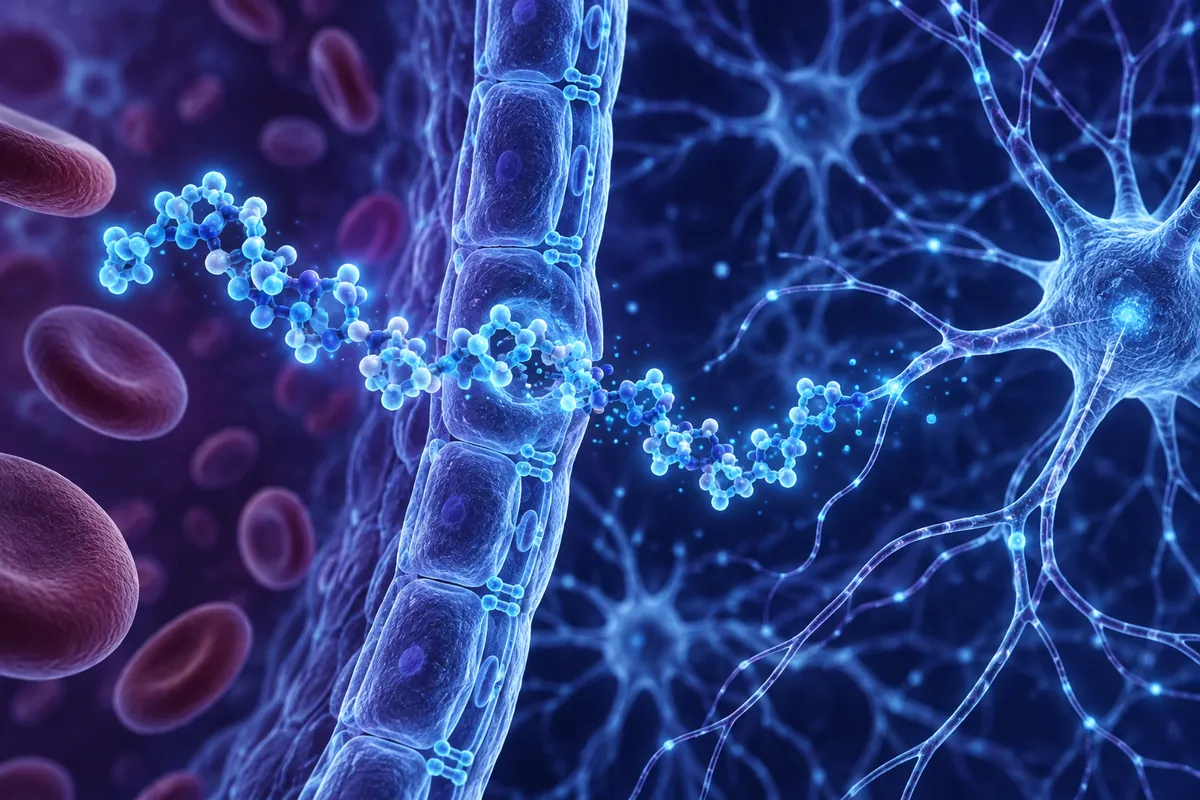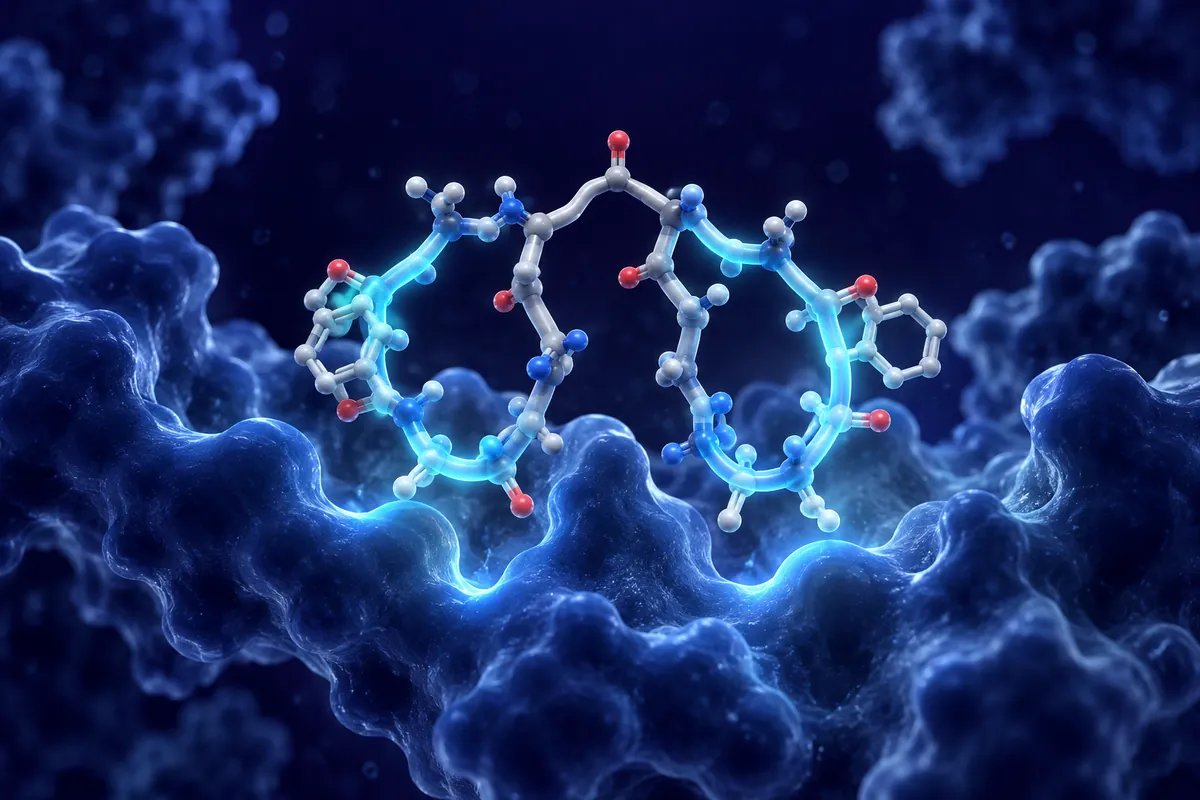

Explains how CPPs like TAT, penetratin, and polyarginine cross cell membranes, their applications in delivering cargo molecules to intracellular targets, and recent advances in CPP-drug conjugates.
Author Archives: Admin
Table of Contents Toggle Receptor Pharmacology: The CLR/RAMP1 Complex CGRP and Migraine: From Observation to Mechanism Research Frontiers Calcitonin gene-related peptide (CGRP) is a 37-amino-acid neuropeptide produced by alternative splicing of the calcitonin gene (CALCA). It exists in two isoforms — α-CGRP, predominantly expressed in sensory neurons of the trigeminal and dorsal root ganglia, and […]
Table of Contents Toggle Pemvidutide: A Dual Agonist with a Liver-Targeting Profile The Glucagon Paradox: Why Activate a “Counterregulatory” Hormone Receptor? Mechanism of Action at the Receptor Level Pemvidutide vs. Survodutide vs. Retatrutide: Differentiating Dual and Triple Agonists Open Research Questions Pemvidutide: A Dual Agonist with a Liver-Targeting Profile The metabolic peptide landscape has been […]
Table of Contents Toggle Why Orforglipron Is Different Mechanism of Action: Small Molecule, Same Target Pharmacokinetics: Why Oral Delivery Matters for Research Implications for Incretin Research Where Orforglipron Stands in 2026 Why Orforglipron Is Different Every GLP-1 receptor agonist on the market in 2026 — semaglutide, tirzepatide, liraglutide, dulaglutide — is a peptide. Orforglipron breaks […]
Table of Contents Toggle What Is Follistatin 344? Isoform Differences: FS-288, FS-300, and FS-344 Current Research Landscape and Open Questions What Is Follistatin 344? Follistatin is a single-chain glycoprotein that binds and neutralizes members of the transforming growth factor-beta (TGF-β) superfamily — most notably myostatin and activin A. Among the naturally occurring isoforms, follistatin 344 […]
Chemical modifications such as PEGylation, lipidation, and albumin-binding can dramatically extend peptide half-life from minutes to days. This article covers the science behind these modifications and their research implications.
Gonadorelin is a synthetic decapeptide identical to endogenous gonadotropin-releasing hormone. It serves as a fundamental research tool for assessing pituitary responsiveness and HPG axis function in laboratory models.
VIP is a 28-amino-acid neuropeptide with widespread distribution across the central and peripheral nervous systems.
FOXO4-DRI is a cell-penetrating peptide that selectively disrupts the FOXO4-p53 interaction in senescent cells. Published research in murine models showed restoration of multiple aging phenotypes.
Kisspeptin (KISS1) is a neuropeptide that serves as the master upstream regulator of the hypothalamic-pituitary-gonadal axis. It has become a critical tool in reproductive endocrinology research.