

Certificates of analysis
Every Loti Labs testing record, kept in one place. Search by product, batch number, laboratory, method or test date. Earlier batches stay on file after a new one arrives.
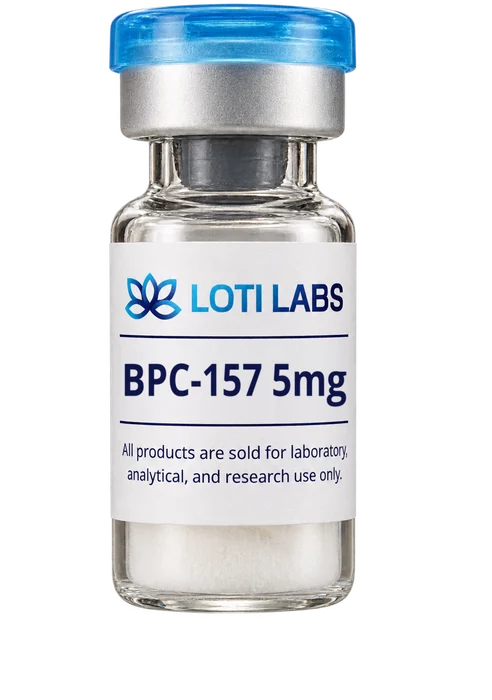
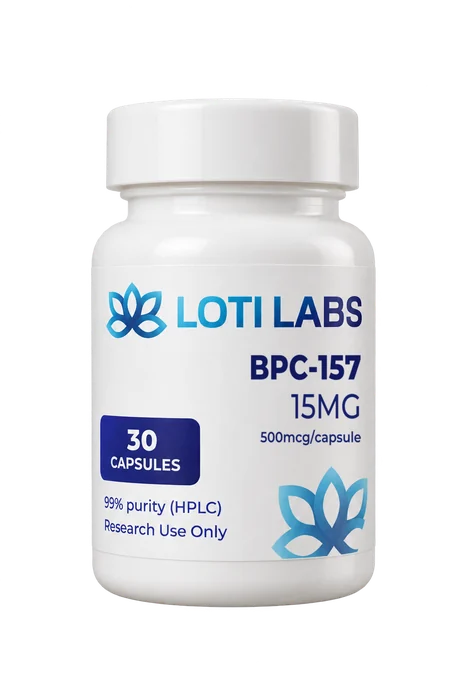
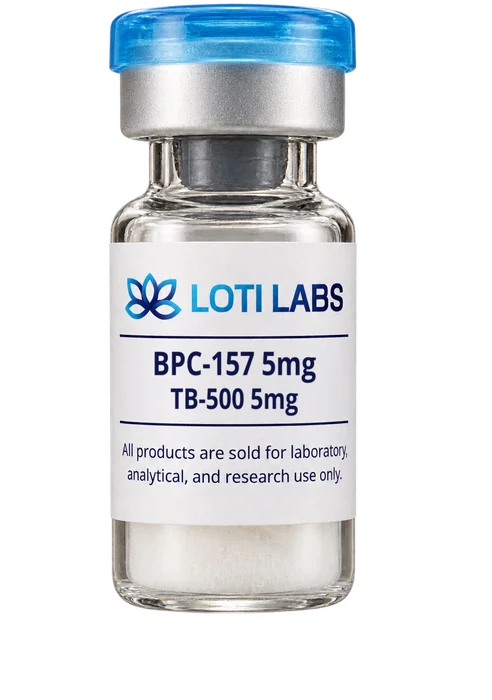
The certificate archive
Find the current certificate for your product,
or match a lot from an earlier batch.Search certificates by product or lot.
How to read these certificates
Match the batch
If your vial label shows a lot number, search it above. Every record lists the lot printed on the laboratory report. When a report did not print a lot number, the record is listed under its laboratory verification code and the batch field reads “Not printed on report.”
Purity is not content
Purity (RP-HPLC) is the share of detected material that is the target compound. Content (HPLC quantitation) is the measured amount of that compound in the tested vial, in mg. Both numbers are published exactly as the laboratory printed them.
Label vs. measured
The label shows the nominal amount. The certificate shows what the laboratory measured, so a sample can show 99.9% purity and still measure above or below the labeled amount. Identity is confirmed by mass spectrometry (MALDI-MS or LC-MS).
Laboratory links
Where available, the laboratory link opens the copy hosted by the testing laboratory. The archive image is the certificate as Loti Labs received it. Questions about a record can be sent through the contact page.
Archive image URLs are unique and never reused. New certificates create new permanent records, preserving prior test history. Certificates are provided strictly for laboratory, analytical and research reference only.