Ostarine (MK-2866) vs RAD-140 vs LGD-4033: SARM Research Comparison Guide for 2026
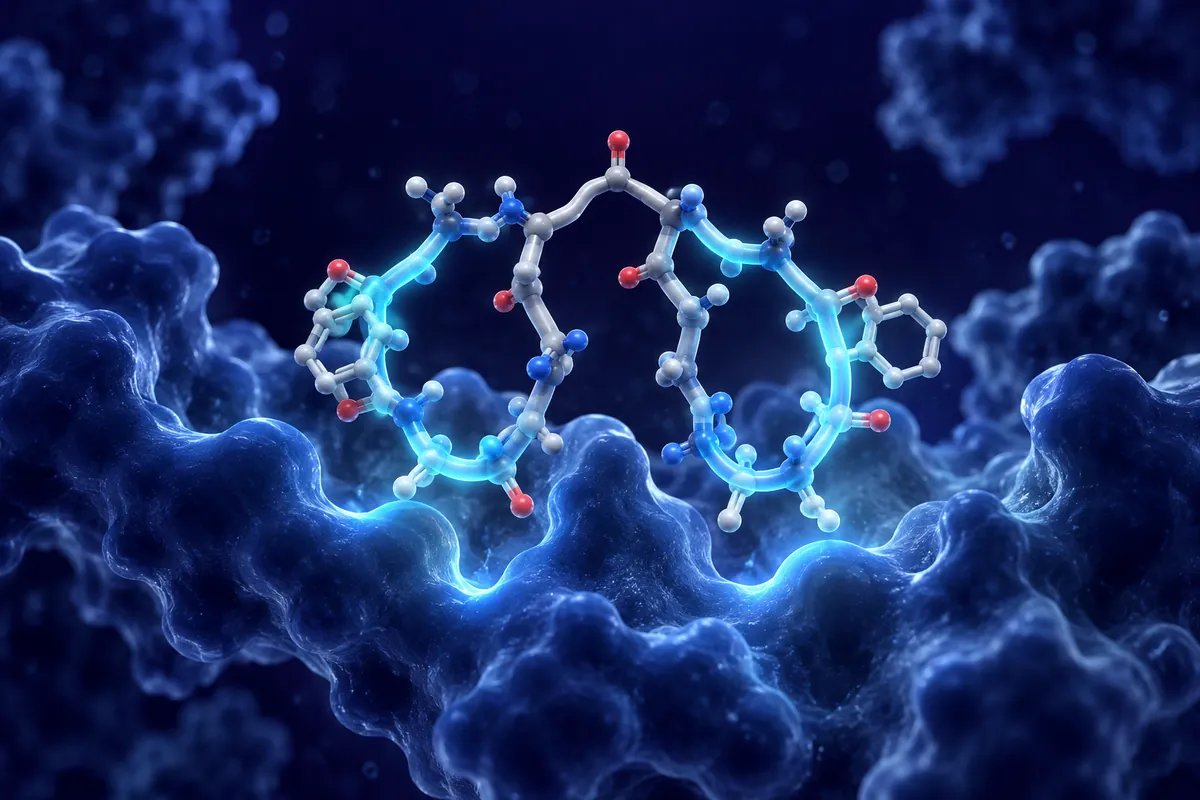
Three names appear again and again in SARM literature: Ostarine (MK-2866), RAD-140, and LGD-4033. They surface constantly : in preclinical models, in investigational research programs, in academic reviews of androgen receptor pharmacology. And for good reason. These are, by most measures, the most extensively studied selective androgen receptor modulators currently under investigation.
But they’re not interchangeable. Not even close. Each compound has a distinct binding profile, a different selectivity signature, and a research history that points toward different applications. Understanding those differences isn’t just academic trivia : it shapes which compound is the right tool for a given study design.
All information here is strictly for research use only. None of the compounds discussed are approved for human use.
Understanding SARMs: Selective Androgen Receptor Modulators in Research
The androgen receptor (AR) is a ligand-activated transcription factor. That breadth is what makes classical androgens both powerful and difficult to use precisely in research.
SARMs were developed specifically to solve that problem. It’s a conceptually elegant approach, and one that has generated a significant body of literature over the past two decades.
Ostarine, RAD-140, and LGD-4033 each represent a different point on the selectivity-potency spectrum. They bind the same receptor : but in meaningfully different ways, with meaningfully different downstream profiles. That’s what makes side-by-side comparison useful.
Worth noting before diving in: all three are research compounds only. They are not approved by any regulatory body for human use. All discussion here reflects findings from preclinical models, in vitro studies, and investigational research programs.
Ostarine (MK-2866): Research Profile
Ostarine : also known by its INN Enobosarm and its earlier designation GTx-024 : is the most extensively studied SARM in existence. Developed originally by GTx, Inc. (later in partnership with Merck), it set an early benchmark for what selective androgen receptor modulation could look like in practice. Decades of published research make it a reference point for the entire compound class.
Mechanism of Action
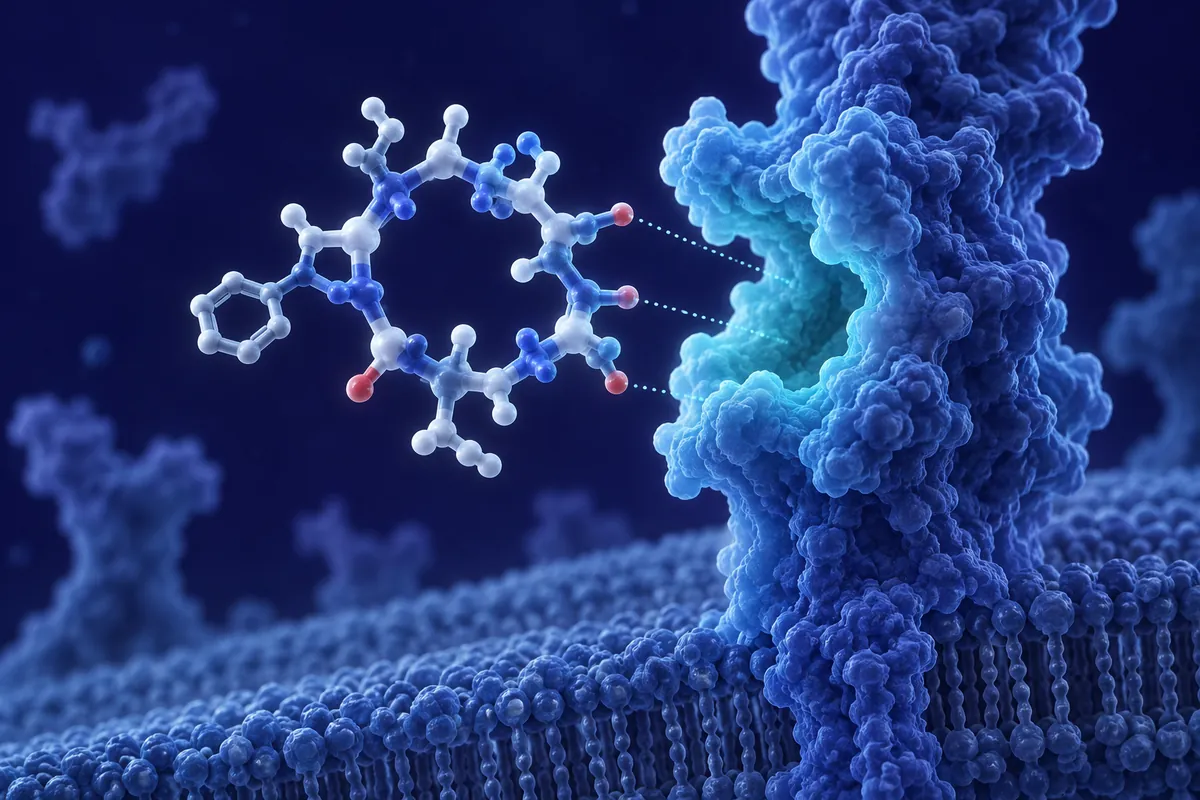
Ostarine binds the androgen receptor with a Ki of approximately 3.8 nM : solid affinity, though not the highest among the three compounds compared here. Its key structural feature is a selective binding conformation: upon binding, Ostarine induces a specific AR conformational change that differs from that produced by steroidal androgens.
The research record here is deep.
Ostarine progressed further into formal investigational research than most SARMs.
Selectivity and Research Observations
Ostarine’s selectivity ratio is modest compared to RAD-140‘s extreme anabolic-to-androgenic numbers, but it’s well-characterized. That characterization is actually one of its research advantages : the compound’s behavior in various tissue types is known and reproducible, which makes it easier to use as a benchmark. In studies comparing SARM compounds, Ostarine frequently serves as the reference compound against which newer candidates are evaluated.
RAD-140 (Testolone): Research Profile
RAD-140 arrived later than Ostarine in the research timeline. Developed by Radius Health, it was designed from the outset to push the boundaries of anabolic selectivity : and by several measures, it succeeded. The compound exhibits one of the highest anabolic-to-androgenic ratios documented for any SARM, and its research applications extend beyond musculoskeletal biology into neuroscience. That’s a combination that has generated substantial scientific interest.
Mechanism of Action
RAD-140 binds the androgen receptor with high affinity and induces a receptor conformation distinct from both testosterone and other SARMs.
Anabolic Potency in Preclinical Studies
The numbers from RAD-140’s preclinical data are striking.
The ability to drive anabolic endpoints without proportional androgenic noise is genuinely useful from a study design perspective.
This is where RAD-140 diverges most from its peers.
This research direction is still early, but it distinguishes RAD-140 as a compound with potential utility outside the typical musculoskeletal framework that dominates SARM research.
LGD-4033 (Ligandrol): Research Profile
Mechanism of Action
LGD-4033 binds the androgen receptor with a Ki of approximately 1 nM : higher affinity than both Ostarine and, by most reported measures, RAD-140. Like the other SARMs in this comparison, it’s non-steroidal, which means it doesn’t carry the structural complications associated with steroid-based androgens.
The binding characteristics have been studied in both recombinant receptor assays and intact cell models, with consistent results across systems.
Head-to-Head Comparison: Binding Affinity & Selectivity
Let’s get specific.
Binding Affinity: LGD-4033 leads here, with a Ki of approximately 1 nM. Ostarine follows at ~3.8 nM. RAD-140’s reported Ki varies across assay systems, but it consistently demonstrates high-affinity AR binding.
Anabolic Potency: RAD-140 edges ahead when looking at anabolic-to-androgenic ratios : the ~90:1 figure cited in some preclinical models is a standout number. LGD-4033 demonstrates high absolute anabolic potency. Ostarine is more moderate on both counts, which is actually part of its value as a research benchmark : it produces reliable, measurable effects without the extremes that complicate interpretation.
RAD-140’s unique antagonist activity at the prostate AR is a distinctive feature. Ostarine’s selectivity is well-characterized across a wide tissue panel.
One practical note for researchers: selectivity data is assay-dependent and species-dependent. Numbers from rat models don’t always translate cleanly to primate models, and in vitro data from recombinant receptor assays doesn’t always predict behavior in intact tissue. Cross-referencing multiple data sources is essential.
Research Applications by Study Type
Choosing between these three compounds isn’t just about binding affinity charts. The relevant question is always: what does the study design demand? Each compound has a more natural fit with certain research contexts.
Ostarine has the deepest published record here : including Phase II investigational data from cancer cachexia programs.
Ostarine has established data from ovariectomized animal models. LGD-4033’s Phase II data from the hip fracture program adds a layer of translational relevance.
Hormonal and Endocrine Studies
SARM effects on the hypothalamic-pituitary-gonadal (HPG) axis are an area of active research. All three compounds show suppression of endogenous testosterone in animal models : a predictable consequence of AR activation. For studies examining HPG axis regulation, hormonal feedback, or endocrine disruption, that suppression profile is itself a research variable. RAD-140’s distinctive prostate antagonism also makes it interesting for androgen receptor studies in prostate biology and prostate cancer cell line research.
2026 Research Landscape
Where does SARM research stand heading into 2026? The honest answer is: the field is mature but still evolving. Early enthusiasm for SARMs as a clean solution to anabolic research challenges has been tempered by a more nuanced understanding of their complexity : selectivity is real but not absolute, and downstream effects in some tissue systems remain incompletely characterized.
That said, interest hasn’t dimmed. Ostarine remains the most-cited SARM in the academic literature, and sponsored research programs continue to investigate its utility in specific wasting conditions.
Researchers in 2026 are also increasingly focused on comparative compound studies : moving beyond single-compound characterization toward understanding how different SARMs compare within the same model system. That’s exactly the kind of research context where a guide like this becomes practically useful.
Conclusion
Ostarine, RAD-140, and LGD-4033 are genuinely distinct compounds despite sharing a mechanism class. Ostarine is the gold standard for breadth of published data.
No single compound is “best” in the abstract : the right choice depends entirely on the research question.
All three remain research-use-only compounds. None are approved for human use, and all findings discussed here apply strictly within the context of preclinical and investigational research. For researchers building study protocols or reviewing the existing literature, understanding these distinctions is foundational : and this guide aims to provide exactly that foundation.
This educational material discusses laboratory research concepts only. Loti Labs products are intended strictly for research and development use and are not for human consumption.