Why Orforglipron Is Different
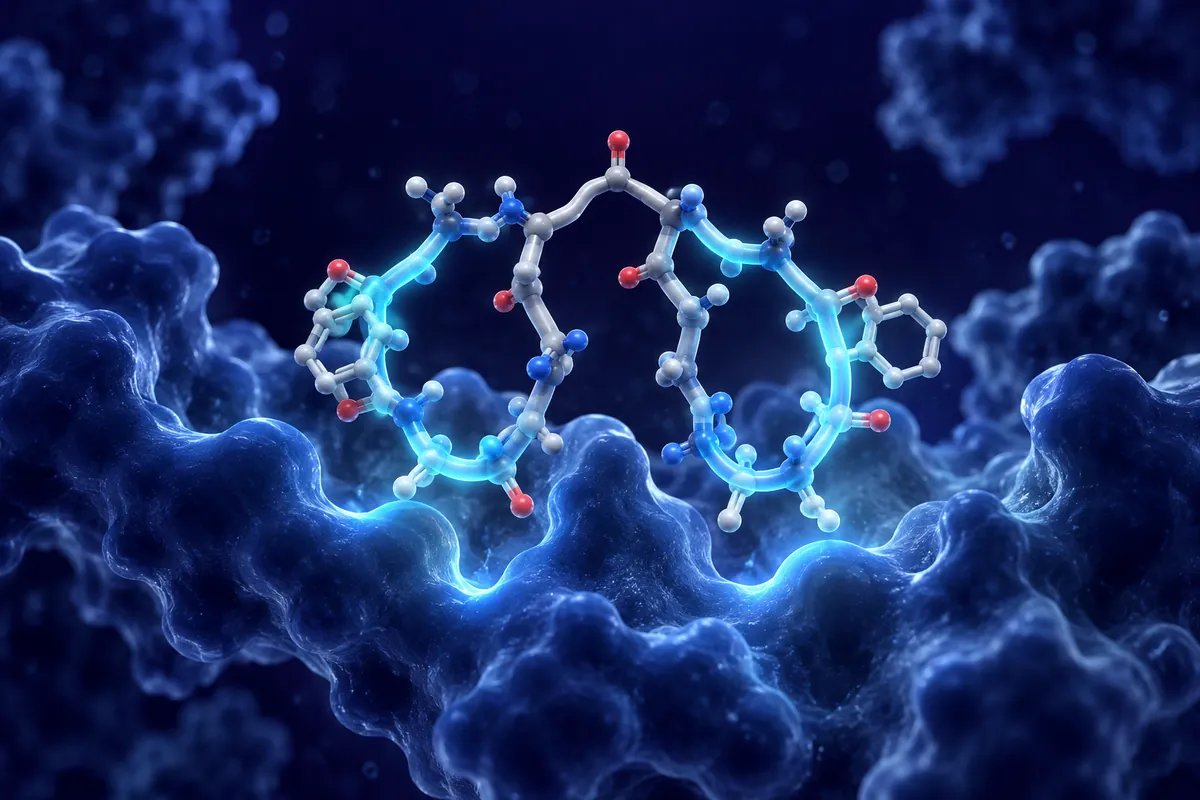
Every GLP-1 receptor agonist on the market in 2026 : semaglutide, tirzepatide, liraglutide, dulaglutide : is a peptide. Orforglipron breaks this paradigm entirely. It is a small molecule, not a peptide, yet it activates the GLP-1 receptor with potency and selectivity comparable to its peptide counterparts.
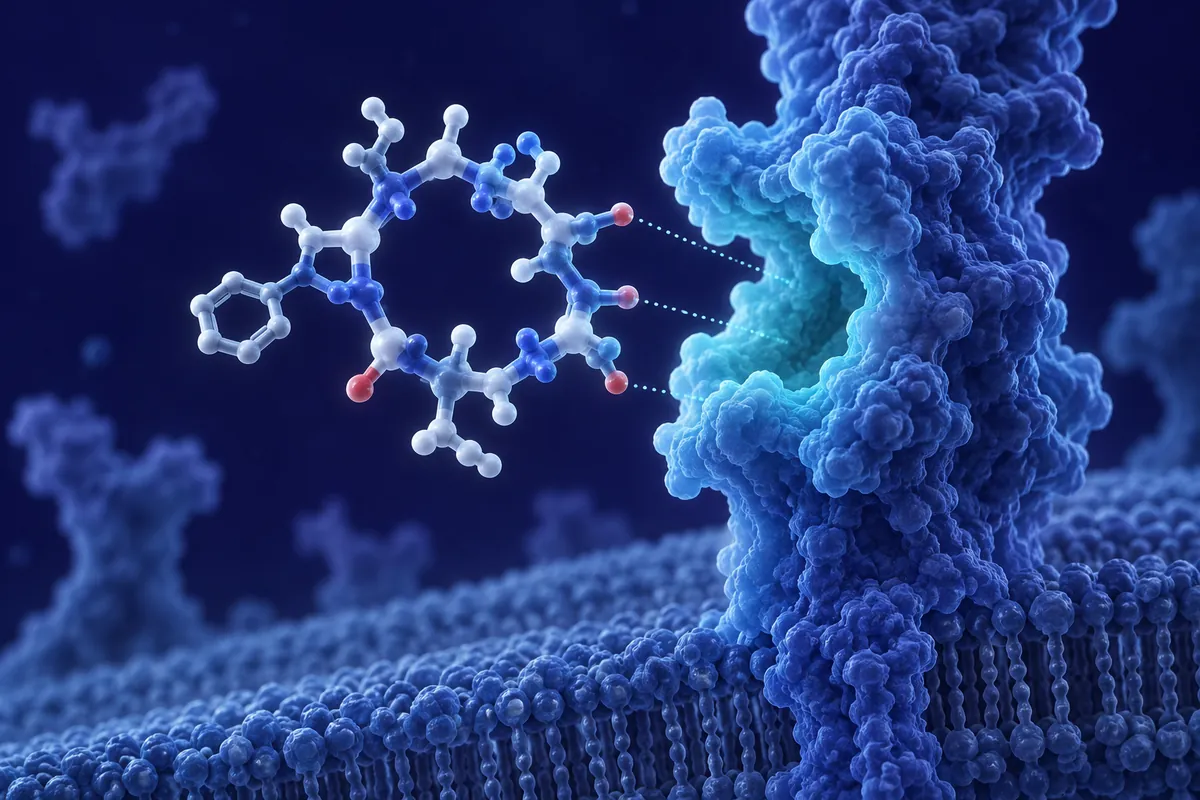
Developed by Eli Lilly, orforglipron belongs to a class called non-peptide GLP-1 receptor agonists. It does not need the SNAC absorption-enhancer technology that oral semaglutide relies on. This is a fundamentally different chemical scaffold : a synthetic small molecule designed from scratch to fit the GLP-1 receptor’s orthosteric binding pocket.
Mechanism of Action: Small Molecule, Same Target
The GLP-1 receptor is a class B G protein-coupled receptor (GPCR) expressed in pancreatic beta cells, the hypothalamus, the gastrointestinal tract, and the cardiovascular system.
Orforglipron engages the same receptor but through a distinct binding mode. Cryo-EM structural studies suggest it nestles into the transmembrane domain’s helical bundle rather than relying on the large extracellular domain contacts that peptide agonists require. This difference in binding architecture is precisely what allows a small molecule to mimic the effect of a 31-amino-acid peptide.
Where orforglipron may differ is in its bias profile : the relative activation of G-protein versus β-arrestin pathways.
Phase 3 trials under the ATTAIN and ACHIEVE programs expanded enrollment significantly.
Gastrointestinal adverse events : nausea, vomiting, diarrhea : remained the most common observed effects, consistent with the GLP-1 agonist class.
Pharmacokinetics: Why Oral Delivery Matters for Research
Orforglipron can be taken with food. Its absorption is not meaningfully affected by meal timing : a practical advantage that simplifies experimental protocols in research settings.
Implications for Incretin Research
Orforglipron’s existence as a viable oral non-peptide GLP-1 agonist has broader implications for the incretin research field. It demonstrates that class B GPCRs : historically considered “undruggable” by small molecules : can be effectively targeted with non-peptide scaffolds. This opens the door to oral non-peptide versions of other incretin pathway targets: GIP receptor agonists, glucagon receptor agonists, and potentially dual or triple agonists in small-molecule form.
Lilly’s pipeline already includes oral dual GIP/GLP-1 agonist candidates in preclinical development.
For research laboratories, this transition creates new experimental paradigms. Oral bioavailability studies, GPCR binding assays with non-peptide ligands, and head-to-head comparisons between peptide and small-molecule agonists at the same receptor become increasingly relevant lines of investigation.
Where Orforglipron Stands in 2026
Regulatory submissions for orforglipron are anticipated based on completed Phase 3 data. The compound represents a genuine inflection point in metabolic pharmacology : the first demonstration that GLP-1 receptor agonism does not require a peptide backbone.
Disclaimer: This content is intended for research purposes only and is not meant to constitute medical advice.
/wp:htmlThis educational material discusses laboratory research concepts only. Loti Labs products are intended strictly for research and development use and are not for human consumption.