What Is Follistatin 344?
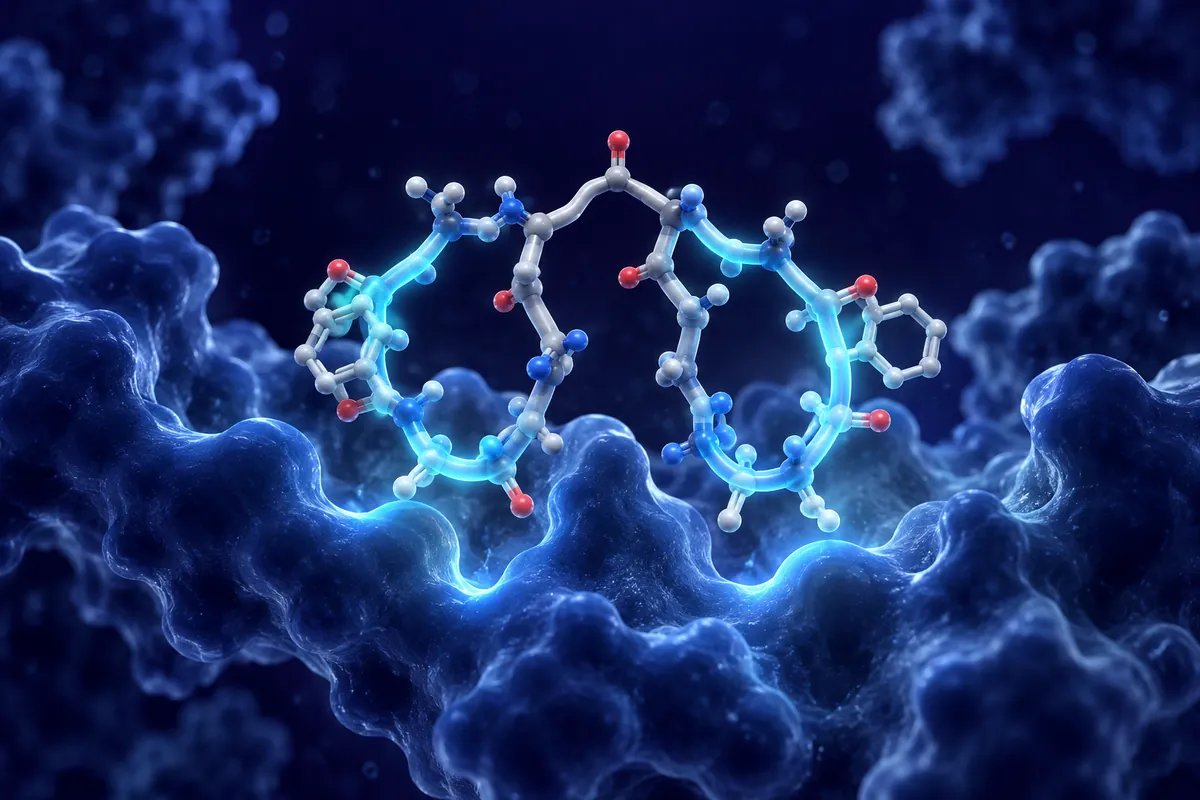
Follistatin is a single-chain glycoprotein that binds and neutralizes members of the transforming growth factor-beta (TGF-β) superfamily : most notably myostatin and activin A. Among the naturally occurring isoforms, follistatin 344 (FS-344) has drawn the sharpest research interest because it circulates systemically after expression, unlike FS-288, which binds heparan sulfate proteoglycans and stays anchored near cell surfaces.
The gene encoding follistatin, FST, produces multiple splice variants. FS-315 is the predominant circulating form in most mammals. FS-344, a precursor form, gets processed into FS-315 post-translationally. Researchers often use recombinant FS-344 in experimental settings precisely because it generates the bioactive circulating form once introduced into a biological system.
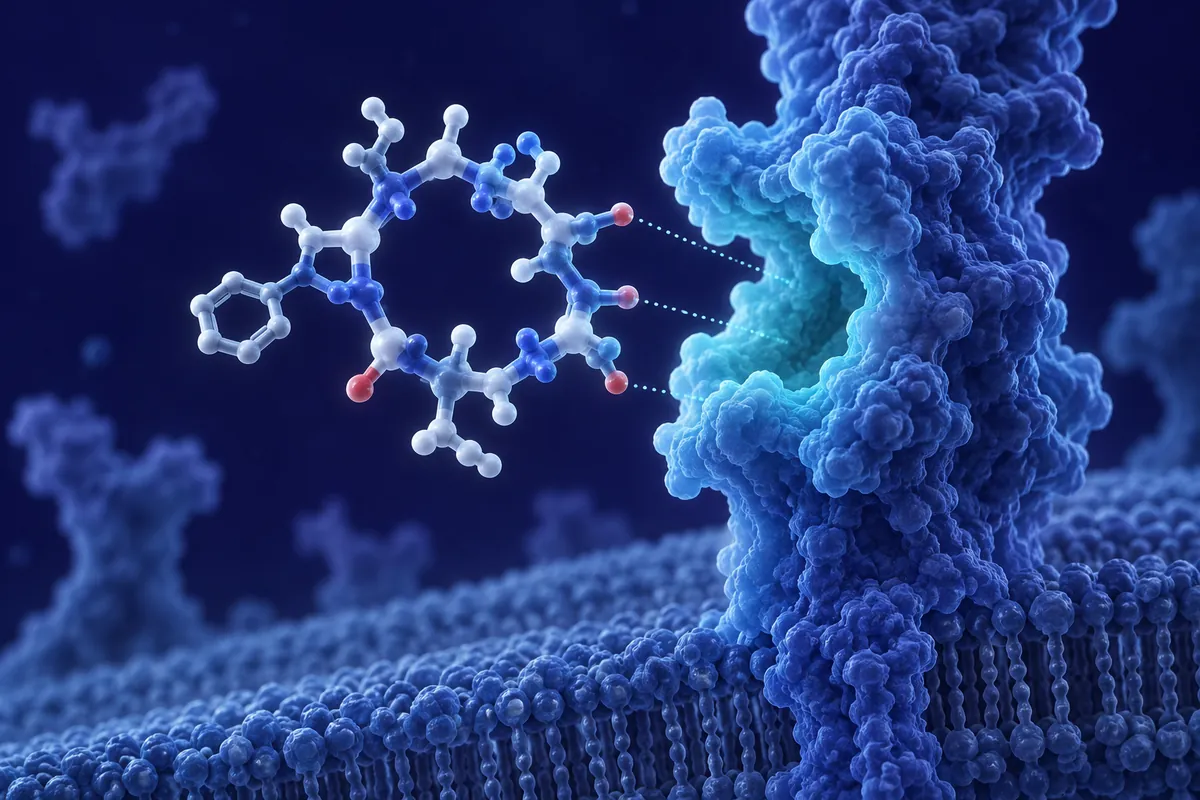
Myostatin (GDF-8) is a negative regulator of skeletal muscle growth. It signals through the activin type II receptor (ActRIIB), triggering a SMAD2/3 phosphorylation cascade that suppresses myogenic differentiation and protein synthesis.
Follistatin operates upstream of this signaling cascade. It physically sequesters myostatin in the extracellular space, preventing receptor engagement entirely. This is not a competitive inhibition at the receptor level. It is a ligand trap.
But follistatin does not stop at myostatin. It also binds activin A, activin B, and GDF-11 : all members of the TGF-β family with distinct biological roles. This promiscuity is both a strength and a complication in research design. Any observed effect of exogenous follistatin may reflect myostatin inhibition, activin suppression, or both.
Isoform Differences: FS-288, FS-300, and FS-344
Not all follistatin isoforms behave the same way, and confusing them is a common error in the literature.
FS-288 contains a heparin-binding sequence that anchors it to cell-surface proteoglycans. It does not circulate well.
FS-315, the cleaved product of FS-344, lacks the heparin-binding domain and circulates freely. This is the form most relevant to systemic myostatin neutralization. When researchers administer recombinant FS-344 via gene transfer vectors (typically AAV), the expressed protein gets processed to FS-315, which then distributes throughout the bloodstream.
FS-300 is a truncated variant sometimes referenced in older literature. Its physiological relevance remains debated. Most contemporary muscle biology research focuses on the FS-344 → FS-315 axis.
The most striking preclinical data comes from AAV-mediated follistatin gene transfer experiments.
Rodgers and Garikipati extended this work into aged mice, demonstrating that FS-344 gene transfer partially reversed age-related sarcopenia. Importantly, cardiac muscle was not hypertrophied : a key safety observation given concerns about non-selective growth factor manipulation.
Non-human primate data also exists. No adverse immunological events or organ toxicity were reported during the observation period.
Because follistatin binds activins with high affinity, its research applications extend well beyond skeletal muscle. Activin A is a critical regulator of follicle-stimulating hormone (FSH) secretion from the anterior pituitary. The follistatin-activin balance modulates reproductive endocrinology in both sexes.
In female reproductive models, follistatin overexpression suppresses FSH and disrupts normal follicular development.
This dual functionality makes follistatin a molecule of interest in both musculoskeletal and endocrine research, though it also means that experimental designs must account for potential reproductive axis effects when studying systemic follistatin administration.
Current Research Landscape and Open Questions
Gene therapy approaches using FS-344 have progressed into early-phase human trials for inclusion body myositis and Becker muscular dystrophy.
Several open questions remain. What is the optimal circulating follistatin concentration for meaningful myostatin suppression without disrupting the activin-FSH axis? Can recombinant follistatin protein (rather than gene transfer) achieve sustained exposure, or does its short half-life in circulation limit practical utility? And how does follistatin interact with other emerging myostatin pathway inhibitors like bimagrumab or trevogrumab in combination protocols?
These questions define the frontier of follistatin research in 2026 : a space where muscle biology, gene transfer science, and endocrine pharmacology intersect.
Disclaimer: This content is intended for research purposes only and is not meant to constitute medical advice.
/wp:htmlThis educational material discusses laboratory research concepts only. Loti Labs products are intended strictly for research and development use and are not for human consumption.