Pemvidutide: A Dual Agonist with a Liver-Targeting Profile
The metabolic peptide landscape has been dominated by GLP-1 receptor agonists and, more recently, dual GIP/GLP-1 agonists like tirzepatide. Pemvidutide takes a different path. Developed by Altimmune, it is a dual GLP-1/glucagon receptor agonist : a peptide that simultaneously activates two receptors with opposing reputations in metabolic research. The combination produces a metabolic profile distinct from either mechanism alone.
The Glucagon Paradox: Why Activate a “Counterregulatory” Hormone Receptor?
Glucagon has been framed as insulin’s antagonist for decades : the hormone that raises blood glucose during fasting. So why design a peptide that activates its receptor alongside GLP-1?
Glucagon receptor activation in hepatocytes stimulates fatty acid oxidation, ketogenesis, and amino acid catabolism.
The risk, of course, is hyperglycemia. Glucagon raises blood glucose.
Mechanism of Action at the Receptor Level
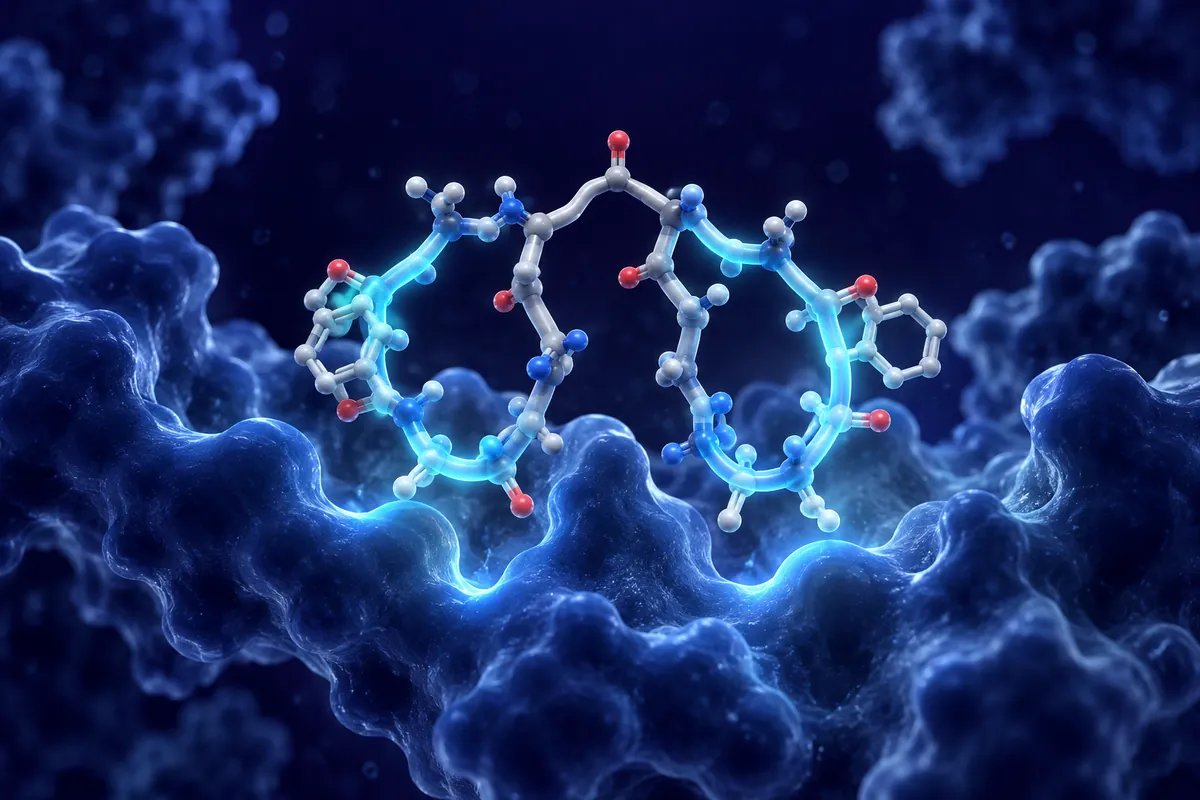
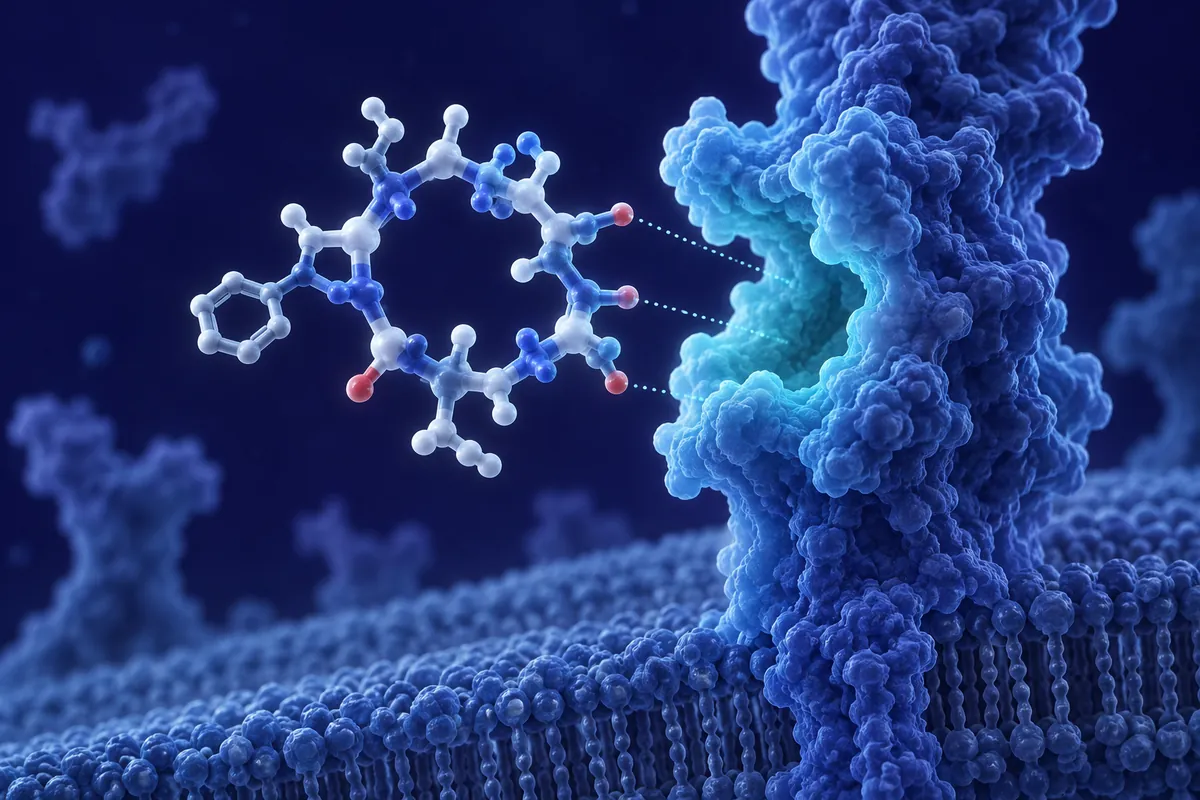
Pemvidutide is a 30-amino-acid peptide engineered for balanced potency at both the GLP-1 receptor (GLP-1R) and the glucagon receptor (GCGR). Its sequence incorporates structural elements from both native GLP-1 and glucagon, with modifications to optimize receptor affinity ratios and extend half-life through albumin binding.
The Phase 2 MOMENTUM trial evaluated pemvidutide in adults with obesity over 48 weeks.
This liver-targeting profile led Altimmune to pursue MASH as a primary indication. The Phase 2b IMPACT trial specifically enrolled participants with biopsy-confirmed MASH and fibrosis stages F1-F3.
Safety signals were consistent with the GLP-1 agonist class: nausea, vomiting, and decreased appetite were most common, generally mild, and diminished with continued exposure.
Pemvidutide vs. Survodutide vs. Retatrutide: Differentiating Dual and Triple Agonists
The competitive landscape for multi-agonist metabolic peptides is crowded. Survodutide (Boehringer Ingelheim) is also a GLP-1/glucagon dual agonist, while retatrutide (Eli Lilly) adds a third target : the GIP receptor : making it a triple agonist. How does pemvidutide differentiate?
The key distinction appears to be hepatic specificity. Pemvidutide’s glucagon:GLP-1 potency ratio is calibrated to maximize liver fat mobilization.
For researchers studying MASH biology, pemvidutide offers a tool compound with a mechanistically clear hepatic action : glucagon receptor-driven fat oxidation in the liver, counterbalanced by GLP-1-mediated glycemic control.
Open Research Questions
These are the questions driving pemvidutide research forward into 2026 and beyond.
Disclaimer: This content is intended for research purposes only and is not meant to constitute medical advice.
This educational material discusses laboratory research concepts only. Loti Labs products are intended strictly for research and development use and are not for human consumption.