Ipamorelin vs GHRP-6: Key Differences, Benefits & Side Effects

Premium USA-Made Research Compounds

Browse lab-tested peptides, research liquids, capsules and more.

Ipamorelin vs GHRP-6

In this post we’re comparing ipamorelin and GHRP-6, two popular growth hormone-releasing peptides (GHRPs). They have a lot in common but also some key differences. We want to help you decide which one you need. Both can be ordered from Loti Labs, a peptide and research company based in the USA.

What are GHRPs

GHRPs, or growth hormone-releasing peptides, are synthetic compounds that increase growth hormone (GH) levels in animal research subjects. They are made up of specific chains of amino acids so they’re often called synthetic peptides. Unlike the natural growth hormone-releasing hormone (GHRH), GHRPs don’t have a similar structure. Instead they activate different receptors either in the anterior pituitary gland or in the hypothalamus of the animal. This targeted action results in a measurable and dose dependent increase in GH whether injected iv, sc or in. Some formulations even allow for oral delivery making them versatile tools for researchers.

Growth Hormone-Releasing Peptides (GHRPs) can be influenced by blood glucose, free fatty acids, glucocorticoids and somatostatin.

Ipamorelin and GHRP-6 Overview

Ipamorelin is a third generation peptide, after GHRP-6 which was the first one tested in animal studies. While GHRP-6 and Ipamorelin release GH at the same speed, the side effects are different. GHRP-6 increases cortisol and prolactin along with GH. Ipamorelin targets GH release only, keeps other hormone levels steady.

What Are GHRPs (Repeated Section)

Growth Hormone-Releasing Peptides, shortened to GHRPs, are specially made short chain proteins that tell your body to produce more growth hormone (GH). Unlike the body’s own growth hormone-releasing hormones, GHRPs like GHRP-6 and Ipamorelin bind to specific sensors in the pituitary gland and the hypothalamus. This triggers a chain reaction that results in more GH being pushed into the bloodstream. The extra growth hormone can help you gain lean muscle, burn fat and improve your body composition overall. Researchers have been studying GHRPs in the lab for years to see if they can help with growth hormone deficiency or to fine tune body composition. Because they increase GH levels they are useful for researchers looking at how muscles grow, how fat breaks down and how to improve overall health.

Structural Differences Between GHRP-6 and Ipamorelin

Differences

Feature GHRP-6 Ipamorelin
GHRP Generation First generation Third generation
GHRH Mechanism Synergy Activates GHS-R via ghrelin mimicry; synergistic with GHRH Highly selective GHS-R1a agonist; strong synergy with GHRH for GH pulses
Receptor Binding / Selectivity Broader binding profile; activates ghrelin receptors across multiple tissues High selectivity for GHS-R1a; minimal off-target receptor activity
Half-Life ~20–30 minutes ~2 hours
Dosing Frequency (Research) 1–3× daily (shorter half-life requires more frequent dosing) 1–3× daily; once before sleep aligns with natural GH pulsatility
GH Pulse Characteristics Potent acute GH spike; less predictable, higher variability Cleaner, more physiological and predictable GH pulses
Cortisol & Prolactin Impact Can cause small-to-moderate increases Maintains steady levels; no significant increase
Appetite Stimulation Significant hunger increase (ghrelin mimicry) No significant appetite increase
Water Retention Possible at higher dosages Minimal; very low impact
IGF-1 Elevation Moderate sustained elevation Sustained IGF-1 rise due to longer half-life
Research Applications Potent acute GH pulse studies; appetite/wasting models; broader physiological response research Precise GH physiology; anti-aging; lean mass research with minimal side effects; long-term GH stimulation studies
Synergy Potential Good synergy with CJC-1295/Sermorelin for robust GH release Excellent synergy with CJC-1295 for balanced, sustained GH release
Side Effect Profile Hunger, possible cortisol/prolactin elevation, water retention Minimal; occasional injection site irritation, headache
Overall GH Release “Cleanliness” Less clean due to concurrent hormonal elevations Considered “cleaner” — highly selective with minimal off-target effects

Mechanism of Action: GHRP-6 vs Ipamorelin in Growth Hormone Release

Both GHRP-6 and ipamorelin are growth hormone secretagogues (GH secretagogues), they help the body to release more growth hormone. Research on animal models show that each peptide activates ghrelin, sometimes called “the hunger hormone” and binds to its receptor. When this receptor is turned on the body releases growth hormone in a pulsed way.

Both peptides trigger this release through the growth hormone secretagogue receptor (GHS-R) not the normal growth hormone-releasing hormone (GHRH) pathway. This makes the response more targeted.

GHRP-6 effects were noted with different doses and injection sites. Beyond increasing growth hormone both compounds also help the body to balance energy and control appetite.

Ipamorelin does not touch cortisol and prolactin levels like GHRP-6. It breaks down slower than GHRP-6 giving it longer lasting effects. Because of this steady release ipamorelin can sustain the rise in insulin-like growth factor (IGF-1) that triggers many of the anabolic benefits of growth hormone therapy.

GHS-R1a Receptor Selectivity: Why Ipamorelin Avoids Side Effects

The critical distinction between Ipamorelin and GHRP-6 lies in receptor selectivity. Both peptides bind to the Growth Hormone Secretagogue Receptor type 1a (GHS-R1a) on pituitary somatotropes, triggering pulsatile GH release. However, GHRP-6 also activates ghrelin receptors in the hypothalamus and peripheral tissues — driving the appetite stimulation, cortisol elevation, and prolactin increase associated with its use. Ipamorelin’s structural refinement confers near-exclusive GHS-R1a selectivity, making it one of the cleanest GH secretagogues available for in vitro and preclinical research.

GH Pulse Quality: Predictable vs. Potent

GH pulse characteristics differ meaningfully between the two compounds. GHRP-6 produces potent but variable acute GH spikes — useful for studies requiring maximum GH amplitude, but harder to titrate. Ipamorelin generates smaller, more physiological, and highly predictable GH pulses that closely mimic the body’s natural secretion pattern. Its longer half-life (~2 hours vs. GHRP-6’s ~20–30 minutes) sustains IGF-1 elevation for longer, making it preferable for anabolic signaling studies where consistency matters more than peak amplitude.

What Ipamorelin Can Do for You

Ipamorelin is getting attention as a smart growth hormone-releasing peptide (GHRP) with some clear advantages:

Enhanced Lean Gains & Protein Synthesis

Ipamorelin stimulates the pituitary to release more growth hormone, which in turn drives protein synthesis and lean muscle mass accrual. Because it preserves muscle during caloric restriction and high-intensity training, Ipamorelin is a key compound in researchers studying skeletal muscle hypertrophy and muscle adaptation protocols.

Accelerated Recovery Times

Elevated GH from Ipamorelin shortens the time between intensive training sessions by accelerating the repair of muscle fibers and connective tissue. Study subjects demonstrate improved performance and faster lean muscle accumulation when recovery intervals are shortened via sustained GH elevation.

Increased Bone Mineral Density

Preclinical and clinical data show Ipamorelin can increase bone mineral density, lowering the risk of osteoporosis and fractures. This effect is particularly relevant in hypogonadal models and aging populations where GH-axis activity declines. Some protocols combine Ipamorelin with testosterone therapy for additive bone health benefits.

Improved Sleep Quality & Duration

Ipamorelin administered before sleep aligns with the body’s natural nocturnal GH pulse, producing deeper, more restorative sleep. Improved sleep quality supports both muscle recovery and cognitive function, making it a compound of interest in anti-aging and performance recovery research.

Skin Elasticity & Anti-Aging Potential

GH-driven increases in collagen synthesis translate to improved skin elasticity and a reduction in fine lines and wrinkles. Ipamorelin’s selective GH release without cortisol elevation makes it a cleaner compound for dermatology and aging research compared to non-selective GHRPs.

Together Ipamorelin and GHRP-6 can shrink overall body fat, reduce fat mass and target that deep, harmful visceral fat. They make the body to use stored fat for energy which helps to reshape body composition. If you notice changes in body weight it’s likely from muscle and fat changes; the peptides increase muscle and lean mass while keeping fat gain in check.

Increased GH secretion from Ipamorelin and similar peptides can increase GH levels, impact glucose metabolism and insulin sensitivity. These are important when we talk about metabolic syndrome and keeping metabolic health on track.

Unlike standard GH injections Ipamorelin and its peptides mimic the body’s natural GH pulses. This is why there are fewer side effects and a more natural solution for anyone looking to gain muscle, reshape their body or anti-aging benefits.

Disclaimer: Ipamorelin and GHRP-6 are research chemicals and not for human use.

Comparison: Ipamorelin vs. GHRP-6 for Muscle Growth

Both Ipamorelin and GHRP-6 show similar results in animal studies but have different chemical structure. Each one signals the pituitary gland to release GH and their ability to trigger GH pulses keeps the gland sensitive and enhances overall results. The GH released can bulk up lean and muscle mass while trimming fat, giving a good body composition. This dual action is popular with fitness enthusiasts looking to gain muscle and lose fat. Key differences are in the table below.

GHRP-6 and Ipamorelin Comparison

Feature

GHRP-6

Ipamorelin

Hunger

GHRP-6 makes you feel much hungrier by changing how your body controls appetite. This can change how your body uses and stores energy.

Ipamorelin doesn’t increase hunger at all.

Growth Hormone Release

GHRP-6 releases more growth hormone.

Ipamorelin does this less.

Prolactin and Cortisol Release

GHRP-6 can cause small increase in cortisol and prolactin which you can’t fully control.

Ipamorelin keeps these hormones steady and you usually don’t feel any increase.

Potency

GHRP-6 and Ipamorelin are the same strength.

Half-life

GHRP-6 leaves the body faster.

Ipamorelin stays in your system a bit longer.

GHRP-2: Another Growth Hormone Releasing Peptide

GHRP-2 is another member of the GHRP family and can also release GH strongly. Like GHRP-6 it binds to the ghrelin receptor to kick GH out of the pituitary gland. This can lead to more muscle, less fat and stronger bones so GHRP-2 is used in labs and clinics.

Research shows it works in healthy individuals and in those with GH deficiency.

Be careful though. GHRP-2 can also increase cortisol and prolactin and those increases can cause problems if you don’t monitor them. Monitor GH, cortisol and prolactin if you want to get the good stuff and avoid the bad stuff.

Androgen Receptors and GHRP Effectiveness

Androgen receptors play a growing role in how growth hormone releasing peptides work in the body. Research shows that compounds like GHRP-6 and Ipamorelin bind to these receptors to release more growth hormone (GH) and aid in muscle growth. This may also impact testosterone levels which can further support bigger muscles and higher libido. But the details of how GHRPs work on androgen receptors are still being explored. Also not all GHRPs bind to androgen receptors the same way. These differences may explain why some GHRPs are better at building muscle or balancing hormones than others.

Bone Density

One of the key benefits of growth hormone releasing peptides is their ability to increase bone density. Growth hormone is essential for growing and keeping bones strong. When peptides like GHRP-6 and Ipamorelin increase growth hormone levels studies in both animals and humans show a clear increase in bone density. This is especially important for lowering the risk of osteoporosis and bone fractures as we age. Researchers are still working out the biological steps GHRPs take to strengthen bones. But the evidence we have so far points to their promise in studying bone health and preventing age related bone loss.

Stacking GHRPs with Other Peptides

Stacking growth hormone releasing peptides (GHRPs) with other compounds can give GH release and muscle gains a big boost. For example GHRP-6 with Ipamorelin can push GH levels higher than either one alone. GHRPs and CJC-1295 is another good combo, driving muscle growth and fat loss even more which is useful for labs studying body composition and metabolic health.

But combining peptides can increase the chance of side effects like higher cortisol and prolactin. So you need to pay attention to dosing, timing and how each individual responds to the stack. You want to raise GH levels noticeably without running into unwanted effects. Regular hormone monitoring and chats with qualified professionals is a must when testing peptide blends in a research setting.

Conclusion: Ipamorelin vs GHRP-6 Peptides

GHRP-6 is one of the first GHRPs created and many still see it as the strongest agent for spiking growth hormone. Your choice between GHRP-6 and Ipamorelin depends on your goal. Regardless of which one you choose Loti Labs guarantees top quality, lab grade, USA made peptides.

Where to Buy Research Peptides

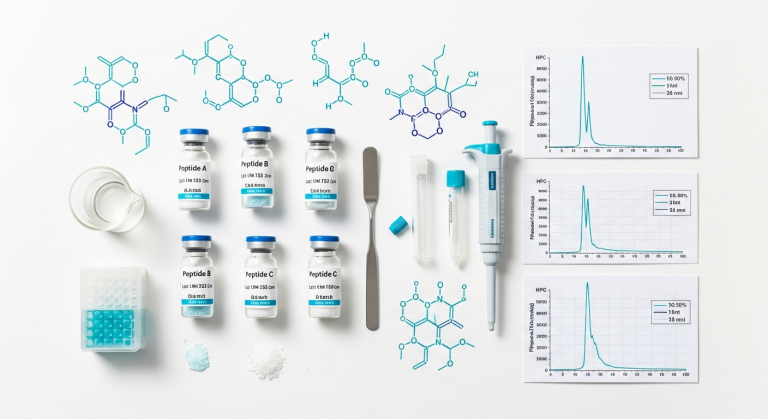
You can get Ipamorelin and GHRP-6 now at Loti Labs. These research peptides are for studying growth hormone release and other body processes. Always choose USA made peptides for consistent results. Loti Labs tests GHRP-2, Ipamorelin and GHRP-6 with HPLC and mass spectrometry so you know they meet the highest standards. Ipamorelin comes in 2mg vials and GHRP-6 comes in 5mg, both as lyophilized powders. Buy your peptides now from Loti Labs!

References

Camanni, F., Ghigo, E., & Arvat, E. (1998). Growth Hormone-Releasing Peptides and Their Analogs. Frontiers in Neuroendocrinology, 19, 47-72. https://doi.org/10.1006/frne.1997.0158

Wu D, Chen C, Zhang J, Bowers CY, Clarke IJ. GHRP-6 and GHRP-2 increase cAMP levels and GH release in sheep and rat pituitary cells. J Endocrinol. 1996;148(2):197–205. doi:10.1677/joe.0.1480197.

Rogério G. Gondo, Manuel H. Aguiar-Oliveira, César Y. Hayashida, Sergio P. A. Toledo, Neusa Abelin, Michael A. Levine, Cyril Y. Bowers, Anita H. O. Souza, Rossana M. C. Pereira, Norma L. Santos, Roberto Salvatori. GHRP-2 increases GH in GH deficient children with mutated GH-releasing hormone receptor. J Clin Endocrinol Metab. 2001;86(7):3279–3283. https://doi.org/10.1210/jcem.86.7.7694.

Raun K, Hansen BS, Johansen NL, et al. Ipamorelin: a selective GH secretagogue. Eur J Endocrinol. 1998;139(5):552–561. doi:10.1530/eje.0.1390552.

Johansen PB, Nowak J, Skjaerbaek C, et al. The GH-releasing peptide ipamorelin increases bone length in young rats. Growth Horm IGF Res. 1999;9(2):106–113. doi:10.1054/ghir.1999.9998.


Continue Your Research

Explore our complete catalog of premium research compounds.

đź§Ş Peptides đź’§ Liquids đź’Š Capsules đź›’ Catalog
đź§Ş Shop

Lab-Tested Research Compounds

×

Browse premium USA-made research compounds.