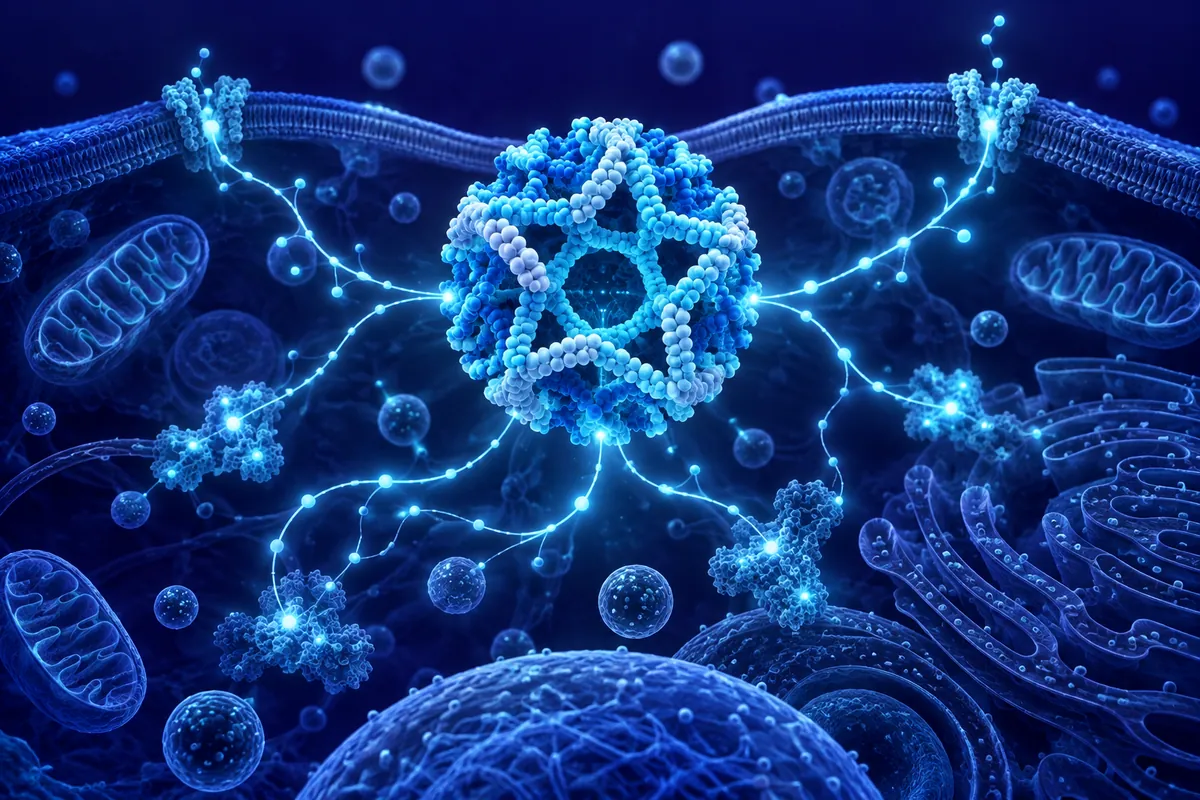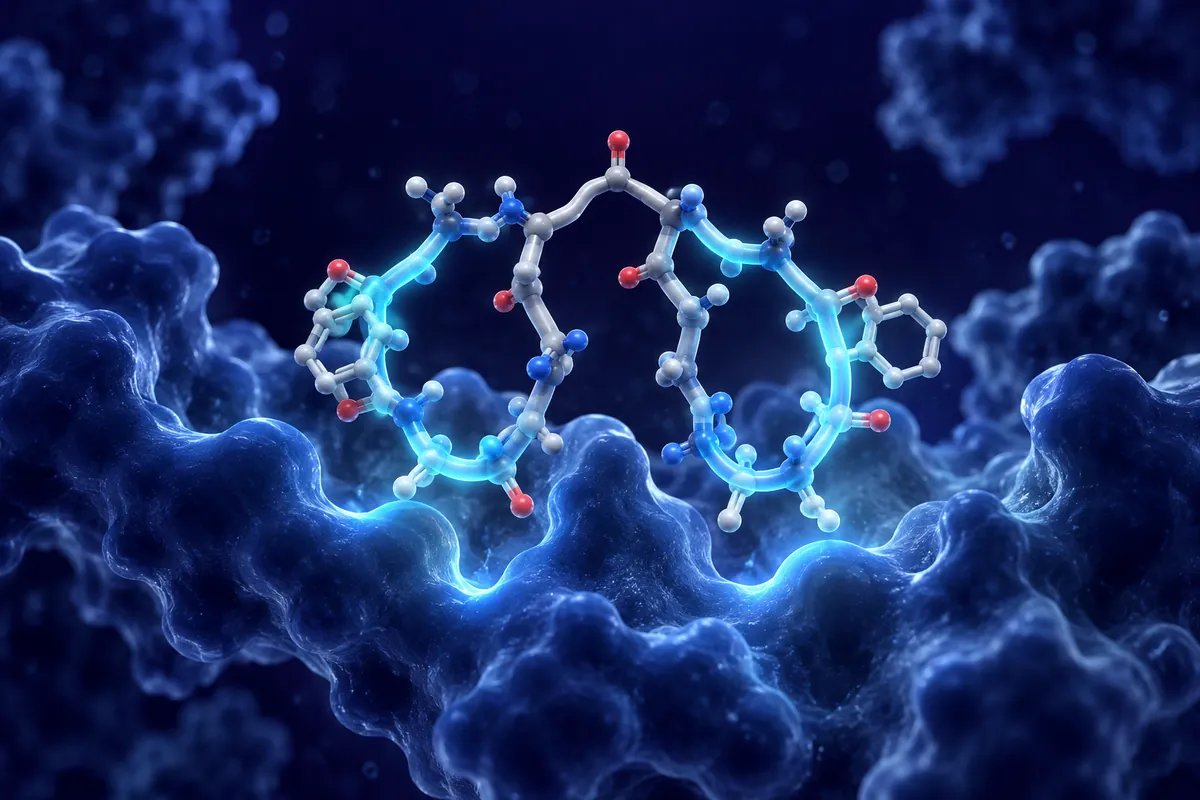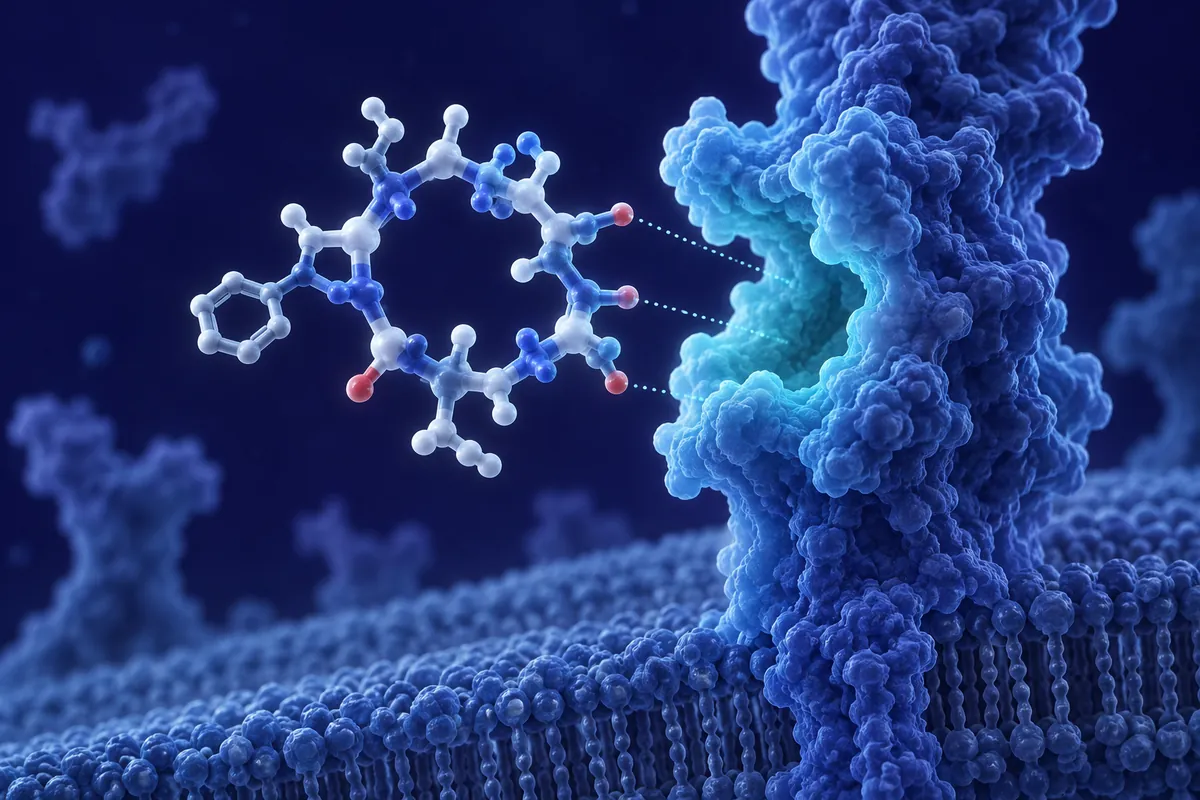
This synthetic tetrapeptide, consisting of four amino acids arranged in a specific sequence, has become a focal point for researchers investigating cellular aging processes and their underlying mechanisms. Research conducted over more than 25 years has revealed fascinating insights into how this compound interacts with fundamental cellular processes, particularly those involving telomerase activity and circadian rhythm regulation.
The peptide epitalon represents a unique class of bioregulatory compounds that researchers have studied extensively in laboratory settings. What makes this synthetic version particularly intriguing to the scientific community is its precise molecular structure and the reproducible effects observed across numerous studies involving various research models.
Introduction to Epitalon Peptide
Epitalon peptide, also known as Epithalon or Epithalone, is a synthetic tetrapeptide comprised of four amino acids: alanine, glutamic acid, aspartic acid, and glycine. This unique sequence mirrors the active component of Epithalamin, a natural peptide produced by the pineal gland:a small but crucial organ involved in regulating the body’s biological rhythms and aging processes.
Its structure as a synthetic tetrapeptide allows for precise study and reproducibility in laboratory settings.
Molecular Structure and Composition
Epitalon is a synthetic tetrapeptide with a molecular weight of 390.35 Daltons, composed of four amino acids: alanine, glutamic acid, aspartic acid, and glycine. Although classified as a peptide, its structure is similar to that of a small protein, and it interacts with proteins such as telomerase in cellular processes. This specific arrangement, often referred to as the AEDG peptide, creates a stable molecular structure through intramolecular salt bridges formed between its constituent amino acids.
Research suggests that the compound’s stability derives from these internal molecular interactions, which may contribute to its observed resistance to peptide hydrolysis in laboratory conditions. The peptide’s structure allows it to form both hydrophobic and hydrogen-bonding interactions with specific DNA sequences, particularly ATTTG and ATTTC motifs, as demonstrated in molecular docking studies.
The synthetic version of this compound was originally derived from Epithalamin, a natural polypeptide extract obtained from bovine pineal glands. Russian scientist Vladimir Khavinson’s research at the St. Petersburg Institute of Bioregulation and Gerontology led to the isolation and characterization of epitalon as the primary bioactive component. Notably, researchers have confirmed the presence of this compound in human pineal gland extracts as recently as 2017, establishing its physiological relevance beyond synthetic applications.
Background and Mechanism of Action
The primary mechanism of action for Epitalon peptide centers on its ability to stimulate telomerase production in human somatic cells. Telomerase is a vital enzyme responsible for maintaining and repairing telomeres, which are the protective caps at the ends of chromosomes. As cells divide, these telomeres naturally shorten, eventually leading to cellular aging and a limit on the number of times a cell can divide.
Proper circadian rhythm function is essential for coordinating various physiological processes, including sleep-wake cycles and hormone production.
Telomerase Activation and Cellular Mechanisms
One of the most significant findings in epitalon research involves its interaction with telomerase, the enzyme responsible for maintaining telomere length in cells.
Telomeres function as protective caps at chromosome ends, consisting of repetitive DNA sequences that shorten each time cells divide. When telomeres reach a critical division limit, cells enter senescence or undergo programmed cell death.
Laboratory investigations using human cells have shown that the compound can modulate gene expression related to nucleic acid transport, apoptosis regulation, and cell cycle checkpoints. This regulatory effect appears to occur through the peptide’s ability to bind specific DNA sequences and influence transcriptional processes at the cellular level.
The mechanism by which epitalon affects telomerase activity involves complex interactions with cellular machinery.
Laboratory Research Findings
Extensive research conducted in various laboratory models has provided valuable insights into epitalon’s biological effects.
Anisimov et al. conducted comprehensive studies examining the compound’s effects on chromosomal stability.
Circadian Rhythm and Melatonin Research
A crucial role of epitalon research involves its relationship with pineal gland peptide function and melatonin production. Studies have demonstrated that the compound can stimulate melatonin synthesis through upregulation of key enzymatic pathways, specifically affecting AANAT enzyme activity and pCREB transcription factor levels.
Research conducted with aged Rhesus monkeys showed normalization of nocturnal melatonin levels following compound administration. These studies revealed that the peptide could restore disrupted circadian rhythms by influencing the expression of circadian genes, including Clock, Cry2, and Csnk1e genes.
The compound’s effects on regulating circadian rhythms extend beyond simple melatonin level restoration. Laboratory findings indicate that epitalon can modulate cortisol secretion patterns in a time-dependent manner, suggesting a broader influence on neuroendocrine function and hormonal regulation.
Human research studies have examined melatonin production changes in response to sublingual administration of the compound.
Laboratory investigations have demonstrated the compound’s capacity to protect against reactive oxygen species damage, a key factor in cellular aging processes.
Current Research Directions and Future Studies
The body of epitalon research continues to expand, with scientists investigating various aspects of the compound’s molecular mechanisms and potential applications in research settings. Current investigations focus on understanding the eight possible stereoisomers of the peptide, though most studies have concentrated on the natural configuration identified in biological extracts.
Modern computational research has identified the compound’s binding affinity for various amino acid transporters, including LAT1, LAT2, PEPT1, and PEPT2. These findings provide insights into potential delivery mechanisms and cellular uptake pathways that could inform future research applications.
Future studies will likely focus on comprehensive safety profiling and standardization of research protocols. While over 25 years of research has provided substantial data on the compound’s effects, more research is needed to fully characterize its mechanisms and optimize research methodologies. Most studies to date have been conducted in laboratory or animal models, so additional research is required to confirm Epitalon’s efficacy and safety in humans.
Comparative Research Analysis
When compared to other compounds studied in aging and longevity research, epitalon demonstrates unique characteristics that distinguish it from alternative research substances. Unlike surface-level interventions, the peptide appears to work at fundamental molecular levels, targeting the aging process through direct cellular mechanisms.
The potential for combining epitalon with other research compounds, such as NAD+ and NMN, represents an emerging area of scientific interest. While individual studies have examined these compounds separately, research investigating synergistic effects could provide valuable insights into combined approaches in aging research.
Research Implications and Scientific Significance
The extensive body of research surrounding epitalon has contributed significantly to our understanding of cellular aging processes and the potential for molecular interventions in aging research.
The compound’s multifaceted effects make it a valuable research tool for scientists examining various aspects of cellular biology and physiological regulation.
The consistency of findings across numerous studies and research models strengthens the scientific foundation for continued investigation.
Studies examining age related diseases have provided additional context for understanding how cellular-level interventions might influence broader health outcomes.
Future Research Opportunities
The evolving landscape of epitalon research presents numerous opportunities for scientific advancement. Current investigations into the compound’s molecular mechanisms continue to reveal new aspects of its cellular interactions and potential research applications.
Research interest in peptide modifications and delivery systems could lead to improved research protocols and enhanced experimental outcomes. Understanding how different formulations and administration methods affect the compound’s biological activity will inform future research designs and methodology development.
The integration of advanced analytical techniques, including molecular docking studies and computational modeling, provides new avenues for understanding the peptide’s mechanisms of action. These approaches may reveal additional cellular targets and interaction pathways that could expand research applications.
The growing body of research surrounding this synthetic tetrapeptide continues to contribute valuable knowledge to the fields of cellular biology, aging research, and peptide science. As research methodologies advance and our understanding of cellular mechanisms deepens, epitalon remains a compound of significant scientific interest with substantial potential for continued research applications.
Through ongoing investigation and careful scientific analysis, researchers continue to expand our knowledge of how this unique peptide interacts with fundamental cellular processes, providing insights that contribute to broader understanding of aging mechanisms and cellular regulation in the human body.
This educational material discusses laboratory research concepts only. Loti Labs products are intended strictly for research and development use and are not for human consumption.