When we’re talking about thymosin beta 4 (Tβ4) research, these investigations have shown some pretty fascinating mechanisms in laboratory settings. Research suggests it functions as the primary G‐actin‐sequestering molecule within mammalian cells, acting as a major actin sequestering molecule in eukaryotic cells - and that’s just the beginning of what makes this compound interesting for researchers.
Tβ4 is a protein found in many cell types and interacts with other proteins to regulate cellular activities.
WHAT IS THYMOSIN BETA 4 IN RESEARCH SETTINGS
Thymosin β4 (Tβ4) represents an oligopeptide composed of 43 amino acids with a molecular weight of approximately 4.9 kDa. In laboratory research, partial purification techniques are often used to isolate Tβ4 from biological samples, allowing for the removal of contaminants and enabling experimental studies on its functional properties. Research indicates it’s distributed broadly throughout most tissues, with notable absence in red blood cells - pretty fascinating stuff when you think about it.
The international nonproprietary name (INN) for thymosin beta 4 is ‘timbetasin’, as recognized by the World Health Organization, highlighting its official status and global standardization.
Now, here’s the thing - qualified research professionals are best positioned to evaluate the appropriate applications of Tβ4 in experimental contexts. You can’t just jump into this without proper training and understanding of research protocols.
Biological Function of Thymosin Beta 4
As a major actin sequestering protein, Tβ4 regulates the dynamics of actin polymerization and depolymerization, which are fundamental for cell migration and changes in cell shape.
Biological Function of Thymosin Beta 4
As a major actin sequestering protein, Tβ4 regulates the dynamics of actin polymerization and depolymerization, which are fundamental for cell migration and changes in cell shape.
The mechanism of action of these compounds involves the activation of various signaling pathways, including the PI3K/Akt pathway, which regulates cell survival and proliferation in research settings.
KEY RESEARCH-BACKED PROPERTIES OF TB-500 FOR CELL MIGRATION IN LABORATORY INVESTIGATIONS
TB-500, also known as Thymosin Beta-4, is a synthetic compound that has attracted considerable attention in research settings for its potential properties.
Remember, this is all about research applications.
Bone marrow is a critical source of hematopoietic stem cells, and its microenvironment plays a significant role in tissue regeneration research. The Wnt pathway is one of the signaling pathways influenced by Tβ4, contributing to cell proliferation and differentiation in experimental models. Below are some examples from the research literature:and these are strictly experimental findings, with ongoing research exploring how Tβ4 may be tailored to address specific health outcomes in experimental models.
Organ-Specific Research Insights
Cardiac Function and Thymosin Beta 4 in Laboratory Models
Liver Fibrosis and Thymosin Beta 4: Experimental Findings
Liver fibrosis typically occurs as a result of chronic liver injury, leading to excessive collagen deposition and tissue fibrosis. In laboratory studies, Tβ4 has emerged as a promising agent for modulating the fibrotic process. By suppressing the activation and proliferation of these cells, Tβ4 helps to limit the progression of liver fibrosis in experimental models.
Organ-Specific Research Insights
Cardiac Function and Thymosin Beta 4 in Laboratory Models
Liver Fibrosis and Thymosin Beta 4: Experimental Findings
Liver fibrosis typically occurs as a result of chronic liver injury, leading to excessive collagen deposition and tissue fibrosis. In laboratory studies, Tβ4 has emerged as a promising agent for modulating the fibrotic process. By suppressing the activation and proliferation of these cells, Tβ4 helps to limit the progression of liver fibrosis in experimental models.
Given the observed effects of Tβ4 in laboratory settings, it’s essential that research be conducted by qualified professionals to ensure appropriate experimental protocols - you can’t mess around with this stuff without proper training.
In Laboratory Ocular Research Models
Laboratory studies examined various conditions including heptanol debridement, alkali exposure, ethanol exposure, second-hand cigarette smoke exposure, and ultraviolet light damage in experimental models.
In this investigation, Tβ4 was applied to experimental excisional wounds in laboratory rats. The experimental wounds measured 3 mm in diameter, positioned in the center of the palate in research models. Research images of the wound areas were captured and assessed histologically one week after the procedure in laboratory settings.
Generally, research indicates that wound healing in the oral cavity occurs more rapidly and with less scarring than dermal tissue in experimental models, potentially due to components in saliva and the distinctive phenotype of oral fibroblasts in laboratory studies. Despite the relatively efficient wound healing observed in experimental models, tissues affected during periodontal and implant procedures in research settings are continuously challenged by bacterial presence, necessitating meticulous maintenance protocols and additional biofilm control in laboratory studies. Previous research has documented Tβ4 as a natural component of saliva in experimental studies. The concentrations in experimental saliva samples ranged from 0.2 to 3.6 μg/ml, varying with age and experimental conditions in laboratory models.
RESEARCH APPLICATIONS IN LABORATORY SETTINGS
The research applications of these compounds are vast, and ongoing laboratory investigations are exploring their potential in experimental models of various diseases and conditions. Recent studies are also investigating the effects of Tβ4 on tumor growth and its potential role in cancer progression. Research is examining the impact of Tβ4 on tumor metastasis, particularly its influence on cellular migration and angiogenesis in experimental cancer models. As research continues, the understanding of how these compounds can be utilized in different experimental contexts will likely expand, offering new insights into their potential properties in laboratory settings.
REGULATORY STATUS OF TB-500 - WHAT RESEARCHERS NEED TO KNOW
TB-500 is not approved for anything beyond research use, and its status under the World Anti-Doping Agency (WADA) regulations should be noted by researchers. It remains primarily a research compound whose safety and efficacy have not been established through comprehensive clinical investigations - and that’s something you absolutely need to understand.
Given these considerations, it’s essential that TB-500 be handled only by qualified research professionals in appropriate laboratory settings. Research professionals can provide proper experimental protocols, observe potential interactions with other compounds, and ensure appropriate usage in research contexts. This ensures that investigations involving TB-500 maintain scientific integrity and adhere to established research guidelines - you can’t cut corners on this stuff.
RESEARCH APPLICATIONS AND EXPERIMENTAL CONTEXTS YOU SHOULD UNDERSTAND
However, the investigation of these compounds carries important research considerations, and scientific protocols must be rigorously maintained throughout experimental procedures - there’s no room for sloppy methodology here.
The World Anti-Doping Agency (WADA) has classified these compounds as prohibited substances in competitive contexts, and researchers should remain cognizant of this classification when designing studies. This regulatory position highlights the importance of understanding the broader implications of these compounds within scientific research, particularly when findings might intersect with competitive athletic contexts.
The investigation of TB-500 and BPC-157 warrants methodological precision and careful experimental design in laboratory settings. Research communities should thoroughly evaluate potential experimental outcomes against methodological limitations in research contexts. Following established scientific protocols ensures that investigations involving these compounds maintain the highest standards of research integrity and scientific validity.
COMPARISON TO OTHER COMPOUNDS IN RESEARCH SETTINGS
In research settings, TB-500 is often examined alongside other compounds such as BPC-157 and GHK, each demonstrating distinct properties and mechanisms of action in laboratory studies.
While these compounds share some common characteristics in research settings, their specific mechanisms and applications differ in experimental contexts. It’s crucial that these compounds be handled only by qualified research professionals - you can’t just wing it with this stuff. Proper research protocols ensure that investigations with these compounds are conducted appropriately and that research materials are sourced from reputable suppliers to maintain experimental integrity.
In conclusion, understanding the distinct properties and characteristics of each compound through rigorous research methodology contributes to the advancement of scientific knowledge in this field. It is also important to regularly review new research findings to stay updated on the latest developments and ensure that research practices reflect the most current information available.
FUTURE DIRECTIONS IN RESEARCH
Ongoing research is exploring the potential applications of TB-500 and BPC-157 in various experimental models of diseases and conditions.
Further research is needed to fully understand the mechanisms of action of these compounds and to explore their potential in experimental models of various diseases and conditions. The future of compound research holds much promise, and ongoing laboratory investigations are expected to reveal new and exciting applications for these substances in research settings.
CONCLUSION
Additional research regarding the potential applications of Tβ4 could contribute to a more comprehensive understanding of this compound in laboratory settings.
Research should also explore how Tβ4 influences angiotensin II-induced expression of profibrotic molecules in experimental models of kidney injury.
The current research understanding of Tβ4 receptors remains limited and represents an area requiring further scientific investigation in laboratory settings.
WHERE TO PURCHASE THYMOSIN BETA 4 FOR RESEARCH PURPOSES
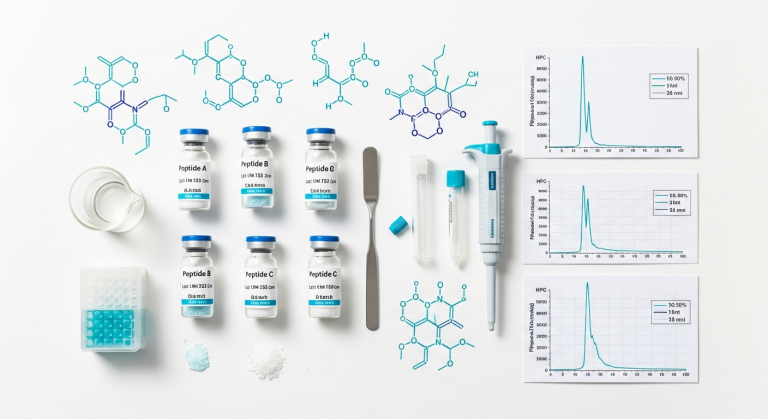
If you are purchasing TB-500 for the first time, it is important to understand proper research protocols and safety considerations to ensure optimal results. Thymosin Beta 4 is available from Loti Labs for research purposes. For research integrity, consider premium research chemicals manufactured in the USA, such as liquid T4 (Levothyroxine). Laboratory testing through HPLC and Mass spectrometry helps ensure research-grade quality - and that’s something you absolutely need to verify.
We encourage customers to discuss their research focus with a provider to ensure proper use of the compound.
/wp:htmlThis educational material discusses laboratory research concepts only. Loti Labs products are intended strictly for research and development use and are not for human consumption.