Best Research Peptide Vendors in 2026: Complete Guide After Peptide Sciences Shutdown
Best Research Peptide Vendors in 2026 : Quick Reference
- Loti Labs : Best for testing transparency and catalog breadth (HPLC + MS, batch-specific COAs)
- Swiss Chems : Best catalog diversity (peptides, SARMs, nootropics)
- Protide Health : Best for GMP-adjacent standards and institutional research
- Orion Peptides : Best value on established compounds (BPC-157, TB-500, GHRP family)
All vendors supply products for research purposes only. See full analysis below.
The landscape for sourcing the best research peptide vendors 2026 experienced an unprecedented paradigm shift following the sudden market disruption in early spring. When the industry’s largest supplier unexpectedly ceased operations, thousands of institutional investigators, independent laboratories, and academic researchers were left scrambling to secure reliable, high-purity compounds for their ongoing in vitro and animal model studies. This displacement has created a critical challenge: distinguishing legitimate, analytically verified suppliers from opportunistic, low-quality operations that have flooded the void. This comprehensive guide provides a rigorous, science-based verification framework for evaluating vendors in the current regulatory climate. We meticulously detail the top tier of verified suppliers, explore the critical distinction between research-only and 503A compounding pathways, and provide actionable intelligence on where to buy research peptides safely and legally in 2026.
What Happened to Peptide Sciences? The March 2026 Shutdown Explained
On March 6, 2026, Peptide Sciences voluntarily shut down all operations and discontinued sales without prior warning. This preemptive closure was a direct response to escalating FDA enforcement under the SAFE Drugs Act, including over 50 warning letters targeting the research peptide industry. The company did not file for bankruptcy, leaving thousands of researchers to initiate credit card chargebacks for unfulfilled orders. Prior to this shutdown, Peptide Sciences held an estimated $7.4 million per month market position, making their exit the single most disruptive event in the research peptide supply chain in over a decade.
The immediate aftermath of the March 6 closure resulted in a highly volatile market environment. Recognizing the desperation of researchers needing to maintain their study timelines, a surge of opportunistic, counterfeit websites emerged. Many of these fraudulent domains were registered within hours of the shutdown, utilizing deceptive branding, cloned website architectures, and misleading URLs to impersonate the defunct brand or position themselves as a direct “Peptide Sciences alternative.” These bad actors typically lack any analytical testing infrastructure, often shipping degraded, under-dosed, or entirely counterfeit compounds, thereby introducing severe cytotoxic risks and data invalidation into legitimate research protocols.
The Peptide Sciences closure did not occur in isolation. Just two months earlier, in January 2026, Science.bio : another major grey-market research chemical supplier and a primary source for SARMs and nootropics : also ceased operations under similar regulatory pressure. The twin closures of Science.bio (January 2026) and Peptide Sciences (March 2026) effectively dismantled the two largest pillars of the grey-market research compound supply chain, collectively displacing hundreds of thousands of researchers and creating the vendor landscape uncertainty that persists today.
The FDA and HHS Regulatory Pressure Behind the Closure
The voluntary closure of the industry’s largest player did not occur in a vacuum; it was the culmination of an escalating, multi-year regulatory crackdown spearheaded by the FDA and the Department of Health and Human Services (HHS). Throughout 2024 and 2025, the FDA issued an unprecedented volume of warning letters to grey-market vendors who were ostensibly selling research chemicals but were implicitly marketing them for human therapeutic use. The regulatory temperature reached a boiling point following the high-profile federal raids on Amino Asylum in late 2025, which signaled a shift from mere administrative warnings to active criminal enforcement and asset forfeiture against non-compliant operations.
This aggressive posture was further solidified by HHS Secretary Robert F. Kennedy Jr.’s definitive statements on February 27, 2026. During a major policy address regarding the overhaul of federal health agencies, RFK Jr. explicitly targeted the unregulated compounding and research chemical markets, promising immediate, sweeping enforcement actions against entities circumventing FDA oversight. His statements underscored a zero-tolerance policy for vendors blurring the lines between “Research Use Only” (RUO) and human consumption. Consequently, the enforcement of the FDA’s Category 2 restricted list became a primary mechanism for dismantling the grey market, creating an existential threat that forced massive, highly visible vendors to preemptively shutter rather than face inevitable federal litigation.
The legislative dimension of the crackdown was further formalized through the SAFE Drugs Act, which directed the FDA to issue more than 50 warning letters to grey-market peptide vendors throughout 2024-2026, targeting entities that conflated research chemical sales with unregistered drug distribution. For researchers who had active orders with Peptide Sciences at the time of the March 6 closure, the recommended recourse is to immediately contact your credit card provider to initiate a chargeback, as the company provided no refund mechanism upon shutdown.
How the Shutdown Disrupted Laboratory Supply Community
Researchers relying heavily on the consistent supply of BPC-157, TB-500, CJC-1295, Ipamorelin, Retatrutide, and the GHK-Cu catalog found their protocols suddenly paralyzed. In animal model research, introducing a new vendor mid-study introduces an unacceptable variable unless the new supplier’s batch purity, specific activity, and lyophilization processes perfectly mirror the original supplier.
Furthermore, the rise of scam and impersonation sites post-closure has actively endangered research integrity. Affected research laboratories, urgently seeking a legitimate peptide vendor, frequently encounter highly sophisticated fraudulent operations. These sites often utilize stolen Certificates of Analysis (COAs), artificially inflate their purity claims, and bypass cold-chain logistics entirely. When researchers unknowingly utilize these compromised compounds in vitro, the presence of truncated peptide sequences, heavy metal contaminants, or bacterial endotoxins can trigger unintended cellular apoptosis or skewed transcriptomic data, ultimately ruining expensive biological assays and wasting vital grant funding.
How to Evaluate a Legitimate Research Peptide Vendor: 5-Point Verification Framework
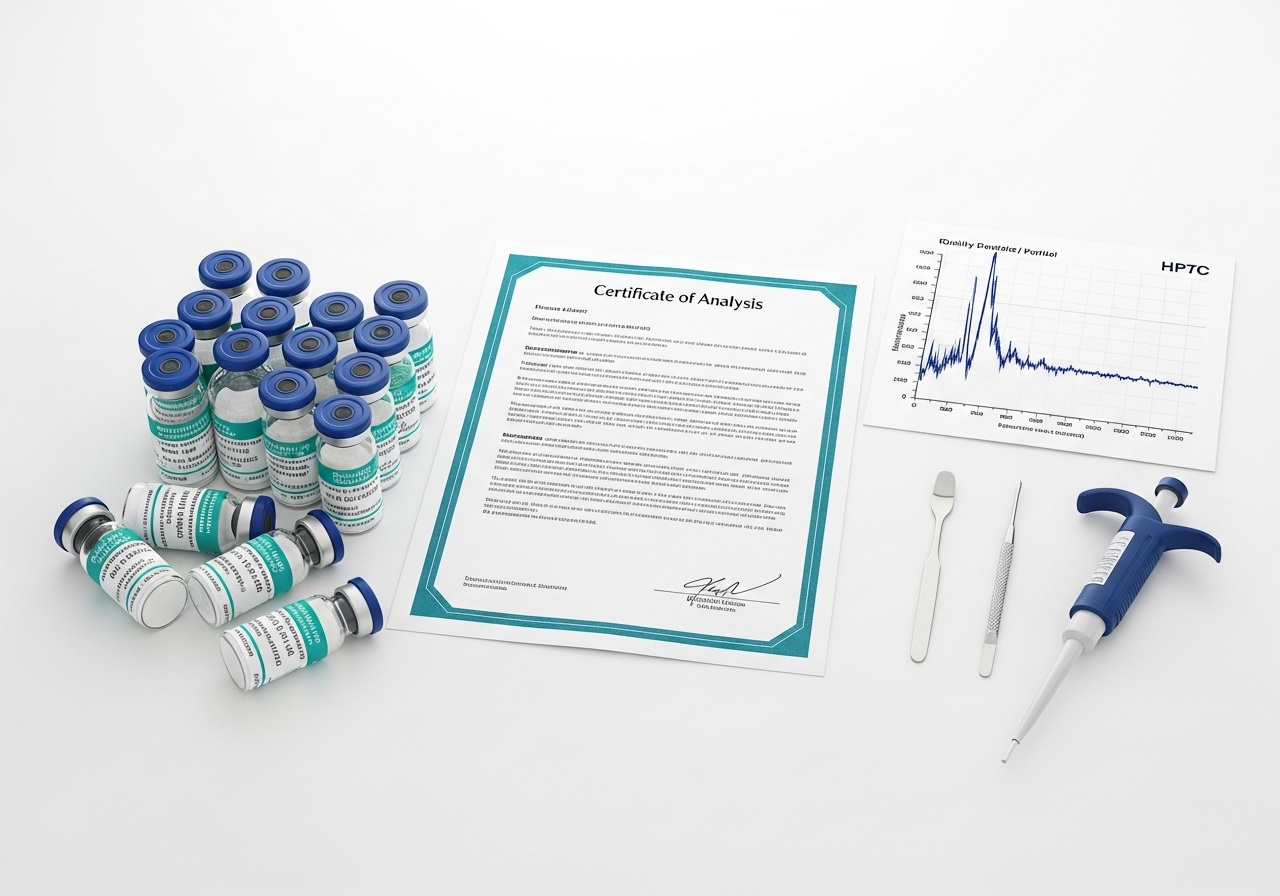
In the volatile post-March 2026 landscape, the burden of rigorous due diligence falls entirely on the researcher. Relying on brand reputation or marketing claims is no longer a viable strategy for securing high-fidelity research materials. To ensure the integrity of your experimental data and protect your laboratory from regulatory liability, every potential supplier must be systematically evaluated against the following 5-point verification framework. This analytical approach separates truly compliant, scientifically rigorous vendors from opportunistic bad actors.
Criterion 1: Independent Third-Party HPLC and Mass Spectrometry Testing
The foundational bedrock of any legitimate research peptide vendor is the utilization of High-Performance Liquid Chromatography (HPLC) coupled with Mass Spectrometry (MS). HPLC is utilized to determine the precise purity of the peptide by separating the compound from synthesis byproducts, truncated sequences, and residual solvents. For any rigorous in vitro or animal model research, a minimum purity threshold of ≥98% is strictly required to prevent experimental artifacts caused by impurities. Generic marketing claims of “99% pure” that lack corresponding, lab-specific analytical documentation are entirely meaningless in 2026.
Furthermore, Mass Spectrometry is non-negotiable for confirming the exact molecular identity of the compound. While HPLC confirms purity, MS confirms that the amino acid sequence synthesized actually matches the target peptide by measuring its precise molecular weight (e.g., confirming BPC-157 has a molecular weight of exactly 1419.5 g/mol). Crucially, this dual-testing protocol must be conducted by an independent, third-party, U.S.-based analytical laboratory. “In-house testing” presents an insurmountable conflict of interest and is unacceptable for standardized research protocols.
In 2026, the most trusted independent analytical laboratories in the research peptide community include Janoshik Analytical (Czech Republic : widely used for steroid and peptide testing with publicly searchable results), MZ Biolabs (U.S.-based, used by multiple domestic vendors for HPLC and MS confirmation), and Colmaric Analyticals (U.S.-based, pharmaceutical-grade testing infrastructure). When a vendor’s COA lists one of these recognized third-party laboratories : and you can verify the certificate directly on the laboratory’s own portal : you have strong confirmation that the testing was genuinely independent. Any COA that cannot be cross-verified on the testing laboratory’s own website should be treated with skepticism.
Criterion 2: Batch-Specific Certificates of Analysis : Publicly Accessible
A critical distinction must be made between generic “sample COAs” used as marketing props and true, batch-specific Certificates of Analysis. Fraudulent vendors frequently post a single, outdated COA from a synthesized “golden batch” and use it to represent all future sales. A legitimate vendor will provide a batch-specific COA that is directly linked to the exact lot number printed on the physical vial you receive. This document must include the actual HPLC chromatogram:showing the distinct elution peaks:not just a typed purity percentage.
In 2026, transparency is non-negotiable. Every active product in a vendor’s catalog must have a downloadable, batch-specific COA readily accessible on their website prior to purchase. If a vendor requires you to email them to “request” a COA, or if the COA provided lacks a verifiable lot number, date of analysis, and the testing laboratory’s contact information, the vendor fails this criterion. Researchers must be able to audit the precise chemical makeup of the specific vial they are introducing into their experimental models.
Criterion 3: Domestic U.S. Manufacturing and Cold Chain Logistics
The physical stability of lyophilized peptides is highly dependent on rigorous manufacturing and shipping protocols. While lyophilization (freeze-drying) significantly enhances stability compared to aqueous solutions, these compounds remain susceptible to degradation from extreme heat, moisture, and UV exposure. Consequently, domestic U.S. manufacturing and sourcing are vital. International sourcing, particularly from overseas chemical clearinghouses, drastically increases the risk of prolonged exposure to uncontrolled environmental conditions during transit, leading to peptide cleavage and diminished biological activity.
Moreover, customs seizures of international research chemical shipments have increased exponentially post-enforcement in 2026. Relying on international vendors introduces unacceptable delays and supply chain vulnerabilities into strict research timelines. Legitimate domestic vendors utilize proper cold chain logistics or expedited domestic shipping protocols to ensure that the structural integrity of the peptide is maintained from the laboratory bench to the researcher’s facility, drastically lowering the risk of thermal degradation and bacterial contamination.
Beyond basic domestic fulfillment, researchers should inquire whether the vendor operates in adherence to Good Manufacturing Practices (GMP). GMP-compliant facilities implement standardized protocols for raw material qualification, cleanroom synthesis environments, equipment calibration, and batch record documentation. While full GMP certification is rare among RUO peptide suppliers, vendors who demonstrate GMP-adjacent practices provide significantly higher assurance of inter-batch consistency : a critical factor when comparing lyophilized peptide activity between experimental runs.
Criterion 4: Business Stability and Payment Processing Integrity
The financial infrastructure of a vendor is a highly accurate proxy for their regulatory compliance and operational legitimacy. Throughout early 2026, major payment processors, including Stripe, PayPal, and Square, initiated massive de-platforming campaigns against research chemical vendors suspected of operating in the grey market or selling misbranded therapeutics. Consequently, vendors that lack the rigorous compliance documentation required by these financial institutions are forced to rely exclusively on alternative, untraceable payment methods.
Vendors that only accept cryptocurrency, peer-to-peer cash apps (like Zelle or CashApp), or offshore wire transfers demonstrate a profound lack of business stability and regulatory standing. While offering cryptocurrency as an *optional* payment method is standard, the complete absence of traditional, secure credit card processing is a massive red flag. Legitimate vendors who strictly adhere to “Research Use Only” protocols and maintain clean legal standing are able to secure and maintain stable, domestic merchant accounts, providing researchers with secure, trackable procurement options.
Criterion 5: Regulatory Compliance Track Record
The final, and perhaps most critical, criterion is the vendor’s documented regulatory compliance track record. A legitimate vendor must possess a clean record with the FDA, meaning an absence of warning letters, injunctions, or product seizures. Their operational model must be strictly delineated from the therapeutic and direct-to-consumer medical markets. This requires absolute adherence to proper labeling protocols; every vial must be clearly demarcated “For Research Purposes Only. Not for Human Consumption.”
For institutional researchers, sourcing from a vendor that violates these compliance standards introduces severe legal and ethical liabilities. Utilizing materials from a legally compromised supplier can result in the rejection of grant proposals, the invalidation of published data, and potential scrutiny from institutional review boards (IRBs) and institutional animal care and use committees (IACUCs).
Top Research Peptide Vendors Operating in 2026
The following suppliers represent the highest tier of the current market. All vendors profiled below supply products strictly for in vitro and animal model research purposes only; these compounds are unequivocally not for human use. Each entity has been systematically evaluated against the rigorous 5-point verification framework detailed above. Note: Loti Labs is the publisher of this guide. While we maintain the highest standards of analytical transparency, we strongly encourage all readers to conduct their own independent due diligence on all vendors, including Loti Labs, prior to procurement.
Loti Labs : Best for Testing Transparency and Catalog Breadth
Loti Labs, the publisher of this comprehensive guide, stands as one of the most established and analytically rigorous research peptide suppliers in the post-Peptide Sciences landscape. Founded with a strict focus on research integrity, Loti Labs recognized early that the survival and utility of a research chemical supplier in 2026 would depend entirely on absolute transparency and unassailable analytical documentation. The primary differentiator for Loti Labs is the mandatory execution of both HPLC and Mass Spectrometry testing on every single production batch, ensuring that researchers receive compounds that meet or exceed the strict ≥98% purity threshold required for sensitive in vitro assays.
Transparency is operationalized through the public availability of all testing documents. Researchers can directly access batch-specific COAs at lotilabs.com/coa, allowing for immediate verification of chromatograms and molecular weights prior to purchase. Furthermore, direct links to the relevant batch COAs are integrated directly into every individual product page. This frictionless access to analytical data eliminates the opacity that plagues much of the current market, allowing principal investigators to easily archive purity documentation for their grant compliance and publication methodology records.
The Loti Labs catalog is specifically curated to support a wide array of experimental models, encompassing over 40 highly purified research compounds. All materials are subject to strict cold-chain handling protocols and domestic U.S.-based fulfillment to prevent transit degradation.
From a regulatory perspective, Loti Labs maintains an impeccable standing. The company has zero history of FDA warning letters or enforcement actions, a direct result of its uncompromising adherence to “Research Use Only” protocols. All physical vials feature compliant, research-only labeling, and the company strictly prohibits any communication regarding human therapeutic applications. This high level of regulatory compliance is reflected in Loti Labs’ robust business infrastructure, which includes fully stable, U.S.-based credit card payment processing:a rarity in the 2026 market that signals deep institutional trust and operational legitimacy.
Swiss Chems : Best for Catalog Diversity
Swiss Chems has successfully navigated the turbulent regulatory shifts of 2025 and 2026 by maintaining a highly diversified catalog of research compounds. They are uniquely positioned for laboratories conducting cross-disciplinary studies that require access to traditional peptides, SARMs, and experimental nootropics simultaneously. By centralizing the procurement process, Swiss Chems allows researchers to source a wide variety of chemical classes without needing to vet multiple independent suppliers, streamlining laboratory logistics.
The company maintains a strong commitment to analytical verification, with independent, third-party testing available for the vast majority of their extensive catalog. While researchers must still diligently verify the batch-specificity of the COAs for their exact lot, the overall availability of HPLC data is commendable. Swiss Chems also provides flexible logistical solutions, offering both domestic U.S. fulfillment and international shipping options, catering to a global research clientele while navigating the complexities of modern customs enforcement.
Throughout the recent market disruptions, Swiss Chems has demonstrated notable business stability. They have managed to keep their operations online and their supply chains relatively intact despite the heightened scrutiny that forced many of their competitors into closure. For academic and independent researchers whose experimental designs require a highly varied selection of molecular compounds, Swiss Chems remains a robust and reliable procurement hub.
Protide Health : Best for GMP-Adjacent Standards
Protide Health has carved out a highly specific niche catering to academic institutions, university laboratories, and heavily funded independent research organizations. Their operational model is built around GMP-adjacent (Good Manufacturing Practice) standards. While strictly operating within the Research Use Only framework, their synthesis, lyophilization, and handling protocols mimic the rigorous environmental controls typically seen in clinical-grade manufacturing facilities. This results in highly stable, exceptionally pure peptide yields.
Their commitment to COA transparency is a major asset for institutional compliance officers. Protide Health provides full audit-trail documentation, ensuring that every step of the analytical process is traceable. This level of documentation is often a prerequisite for researchers utilizing federal grant money, where material sourcing must be meticulously justified and archived. Following the Peptide Sciences closure, Protide Health saw a massive influx of academic researchers migrating to their platform specifically for this rigorous documentation standard.
For investigators conducting highly sensitive in vitro cellular proliferation assays or complex in vivo knockout mouse models:where even minute impurities can trigger confounding variables:Protide Health provides the necessary chemical fidelity. While their catalog may be slightly more curated than broader vendors, their focus on the absolute highest purity standards makes them an ideal partner for institutional and clinical-adjacent research settings.
Orion Peptides : Best Value for Established Compounds
Orion Peptides has rapidly scaled its operations in the post-closure period by focusing on high-volume efficiency and competitive pricing for the industry’s most established research compounds. Orion Peptides addresses this by offering significant value without compromising the baseline requirements for analytical testing.
Despite their highly competitive pricing structure, Orion Peptides does not bypass the necessary third-party testing protocols. They provide verifiable HPLC and Mass Spectrometry data for their core catalog, ensuring that cost-efficiency does not come at the expense of experimental integrity. Researchers can confidently procure bulk quantities of these foundational peptides knowing that the chemical identity and purity have been independently validated.
Their streamlined business model focuses specifically on these high-demand, foundational compounds rather than experimental or highly obscure sequences. This focused approach allows them to optimize their synthesis and supply chain logistics, passing the savings directly to the researcher. For high-volume, repetitive study designs utilizing established peptide sequences, Orion Peptides offers an optimal balance of quality and economic viability.
Core Peptides : Best for GLP-1 Research Compounds
Core Peptides specializes in synthesizing and stabilizing these complex, multi-chain amino acid sequences.
Synthesizing GLP-1 class peptides requires highly advanced laboratory infrastructure due to their length and structural complexity, which makes them highly prone to truncation errors during synthesis. Core Peptides has demonstrated a strong capability in producing these specific compounds with high fidelity, and their testing transparency regarding these specific sequences has continually improved throughout 2026. They provide the necessary analytical documentation to verify that the complex GLP-1 chains are fully intact and free from cytotoxic synthesis byproducts.
Core Peptides operates strictly within the RUO framework, providing vital materials for the scientific investigation of metabolic pathways without crossing into the therapeutic distribution space.
Pepthrive : Best Community-Vetted Alternative
Pepthrive has emerged as the most community-endorsed research peptide supplier following the Peptide Sciences shutdown, consistently earning top recommendations across researcher forums including r/PeptideResearched. Their reputation is built on responsive customer service, accessible batch-specific COAs, and reliable domestic U.S. fulfillment. Pepthrive covers the core research peptide catalog including BPC-157, TB-500, CJC-1295, and Ipamorelin, and has demonstrated strong supply chain continuity during the 2026 market disruption. For researchers who weight peer-community validation alongside formal testing documentation, Pepthrive represents a strong post-Peptide Sciences option worth evaluating.
Biotech Peptides : Best for Research-Grade Bulk Supply
Biotech Peptides occupies a distinctive position in the 2026 research landscape by serving institutional and high-volume research buyers who require consistent compound availability across multiple experimental runs. Biotech Peptides is particularly relevant for academic laboratories running parallel animal model cohorts where inter-batch consistency directly affects statistical reproducibility. Researchers procuring under institutional purchase orders should confirm COA accessibility and lot traceability prior to placing bulk orders.
Research-Only Vendors vs. 503A Compounding Pharmacies: A Critical 2026 Distinction
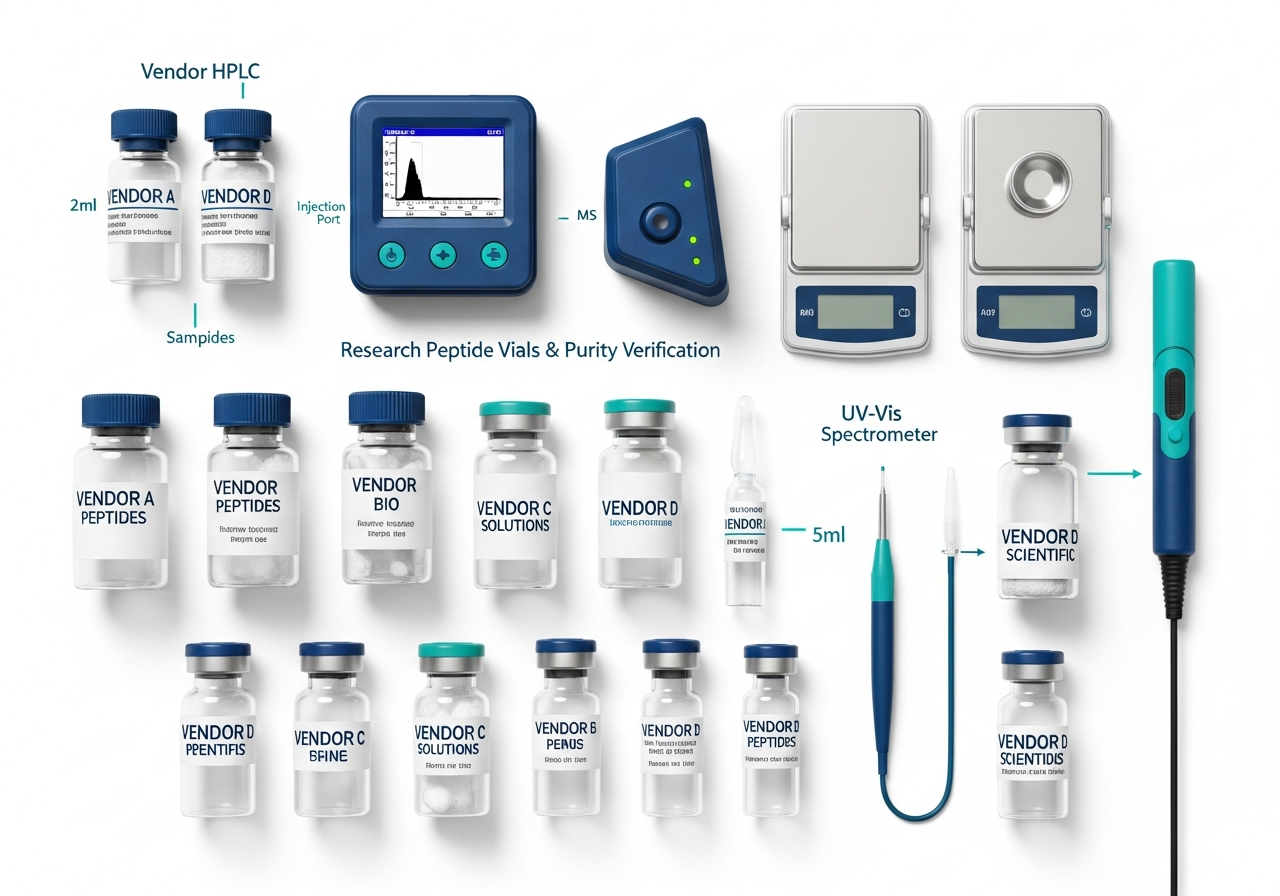
Navigating the 2026 peptide landscape requires a precise understanding of the regulatory divide between Research Use Only (RUO) vendors and licensed 503A compounding pharmacies. This distinction is not merely semantic; it represents two entirely different legal, operational, and scientific frameworks. RUO vendors synthesize and distribute chemical compounds strictly for laboratory use:specifically for in vitro cellular assays and in vivo animal model studies.
These facilities must adhere to strict United States Pharmacopeia (USP) standards for sterility, endotoxin testing, and handling. Understanding which compounds remain viable for RUO procurement and which have been restricted to the 503A pathway is vital for researchers designing compliant, long-term studies in 2026.
Which Peptides Remain Available from Research-Only Vendors
Despite the aggressive regulatory climate, a vast array of high-value peptides remains legally available through research-only vendors, provided they are not currently listed on the FDA’s Category 1 restricted list. The RUO market also continues to supply various Selective Androgen Receptor Modulators (SARMs) like LGD-4033, RAD-140, and MK-677, alongside novel research metabolics such as SLU-PP-332 and 5-Amino-1MQ.
Crucially, researchers must be aware of a massive regulatory shift that occurred in the spring of 2026. On April 22, 2026, BPC-157 was officially removed from the FDA’s Category 2 restricted list. This landmark decision effectively decriminalized the research supply chain for this vital pentadecapeptide, pulling it out of the regulatory crosshairs that caused so much market turbulence earlier in the year. Because BPC-157 is no longer on the restricted list, legitimate research vendors can once again synthesize and distribute it for animal model studies without the immediate threat of federal enforcement.
Which Peptides Now Require a 503A Compounding Pharmacy
The regulatory boundary is most strictly enforced regarding compounds that have gained massive mainstream therapeutic popularity, specifically the GLP-1 receptor agonists. Following the resolution of the commercial drug shortages in late 2025 and early 2026, the FDA initiated severe enforcement actions against the unauthorized compounding and distribution of Semaglutide and Tirzepatide.
The 503A “bulks list” dictates exactly which bulk drug substances compounding pharmacies are legally permitted to use when formulating medications. If a peptide is not on this approved bulks list, a 503A pharmacy cannot legally compound it for human use, regardless of prescription status. However, it is imperative to understand that this restriction applies exclusively to human therapeutic compounding. The supply of GLP-1 peptides for non-human, animal model research remains legally viable through compliant RUO vendors, provided the vendor adheres strictly to research-only labeling and marketing practices.
The July 2026 PCAC Meeting: What Researchers Should Prepare For
Looking ahead, the regulatory landscape will face another major inflection point during the upcoming FDA Pharmacy Compounding Advisory Committee (PCAC) meeting scheduled for July 23-24, 2026. This highly anticipated session, operating under public docket FDA-2025-N-6895, will directly address the future compounding status of several highly utilized peptides. Most notably, BPC-157 has been formally nominated for inclusion on the 503A bulks list (with both the Free Base and Acetate salt forms under review). TB-500 is also slated for rigorous committee review during these sessions.
If the PCAC approves the nomination of BPC-157 or TB-500, these compounds will begin the formal transition toward the licensed 503A compounding pathway for human therapeutic use. However, approval at the July meeting does not result in immediate market changes; it triggers a mandatory 60-day Notice of Proposed Rulemaking (NPRM) public comment period before any formal rule is codified into law. For laboratory investigators, the vital takeaway is that the RUO supply chain for in vitro and animal model research remains completely unaffected until the post-PCAC rulemaking process is fully completed and enacted. Researchers should actively monitor docket FDA-2025-N-6895 to anticipate any long-term shifts in compound availability.
The Rise of Telehealth and LegitScript-Certified Clinics
A third pathway has emerged in 2026 alongside RUO vendors and 503A compounding pharmacies: LegitScript-certified telehealth clinics that prescribe peptide-based investigational compounds through licensed practitioners. Platforms such as Maximus, TRT Nation, and California Trim Clinic now offer supervised peptide protocols for therapeutic applications, operating fully within the licensed medical framework. It is important to note that LegitScript-certified clinics are entirely separate from RUO research vendors : researchers should not conflate the two pathways when documenting compound sourcing for institutional protocols.
Pre-Order Vendor Verification: The Researcher’s Checklist
COA Verification Checklist Before Any Purchase
Before submitting any procurement order, researchers must execute a systematic review of the vendor’s analytical documentation. Utilize the following checklist to ensure the chemical integrity of your research materials:
- Request or locate the batch-specific COA for the exact lot number currently being sold by the vendor.
- Verify the COA displays a high-resolution HPLC chromatogram showing distinct elution peaks:a typed purity percentage alone is entirely insufficient.
- Confirm the testing laboratory is a clearly named, independent, third-party U.S.-based analytical facility (reject any “in-house testing” documents).
- Check that the COA issue date closely matches the production batch timeline (the analysis should ideally be within 12 months of your purchase date).
- Verify that the total purity calculation is ≥98% to meet standard research-grade qualifications.
- Confirm the compound’s exact molecular identity by checking the Mass Spectrometry molecular weight column on the COA against the known theoretical mass of the target peptide.
- Upon physical receipt of the product, cross-reference the lot number printed on the vial’s label with the lot number detailed on the downloaded COA.
Red Flags That Indicate a Fraudulent or Low-Quality Vendor
The post-shutdown market is saturated with bad actors. The presence of any of the following indicators should immediately disqualify a vendor from consideration:
- No batch-specific COA is available:the vendor relies solely on a generic “sample COA” lacking a verifiable lot number.
- Marketing relies on generic “99% purity” claims with no corresponding laboratory name, contact information, or visible chromatogram.
- Prices are significantly below the established market rate (a primary indicator of under-dosed, adulterated, or counterfeit products).
- The checkout process relies exclusively on cryptocurrency or peer-to-peer cash apps, with no secure credit card processing option available.
- The vendor lacks a verifiable physical business address or a functional domestic phone number.
- The domain was registered immediately after March 6, 2026:highly indicative of an opportunistic scam site attempting to capitalize on the market void.
- The website utilizes deceptive branding, attempting to impersonate or claim a false affiliation with the defunct Peptide Sciences brand.
- Customer service is non-existent, or relies entirely on anonymous, automated chat widgets with no direct email or phone support.
Frequently Asked Questions About Research Peptide Vendors in 2026
The following questions address the most common and urgent researcher concerns following the unprecedented market disruptions of March 2026.
This educational material discusses laboratory research concepts only. Loti Labs products are intended strictly for research and development use and are not for human consumption.