Among the peptides studied in reproductive endocrinology research, gonadorelin occupies a distinctive position. It is not merely a tool of convenience : it is structurally identical to the body’s own gonadotropin-releasing hormone (GnRH), the decapeptide synthesized in the hypothalamus that orchestrates the entire hypothalamic-pituitary-gonadal (HPG) axis. That structural fidelity is precisely what makes it so valuable in laboratory investigations of endocrine function. Researchers working with gonadorelin are, in a very real sense, working with a precision replica of one of the most fundamental regulatory signals in vertebrate biology.
What Is Gonadorelin? Structural and Molecular Identity
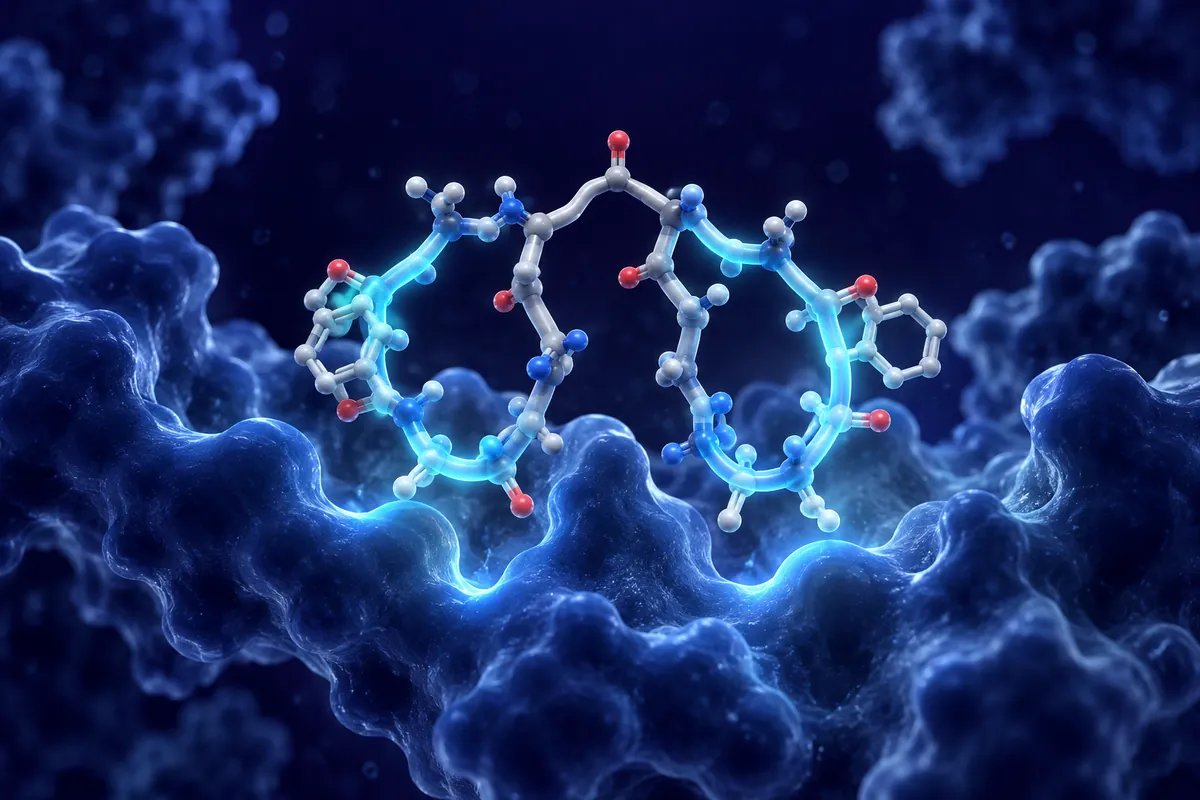
Gonadorelin is a synthetic decapeptide : ten amino acids arranged in the exact same sequence as endogenous GnRH: pyroGlu-His-Trp-Ser-Tyr-Gly-Leu-Arg-Pro-Gly-NH₂. It is, structurally speaking, the native molecule. That distinction matters enormously in research contexts where the goal is to observe physiological responses rather than pharmacologically exaggerated ones.
The peptide was first characterized in the early 1970s, with Schally and Guillemin sharing the 1977 Nobel Prize in Physiology or Medicine in part for isolating and sequencing GnRH. Gonadorelin emerged from that foundational work as the synthetic equivalent used to probe hormonal pathways under controlled experimental conditions. Decades of research have built on this foundation.
The HPG Axis: A Feedback System Worth Understanding
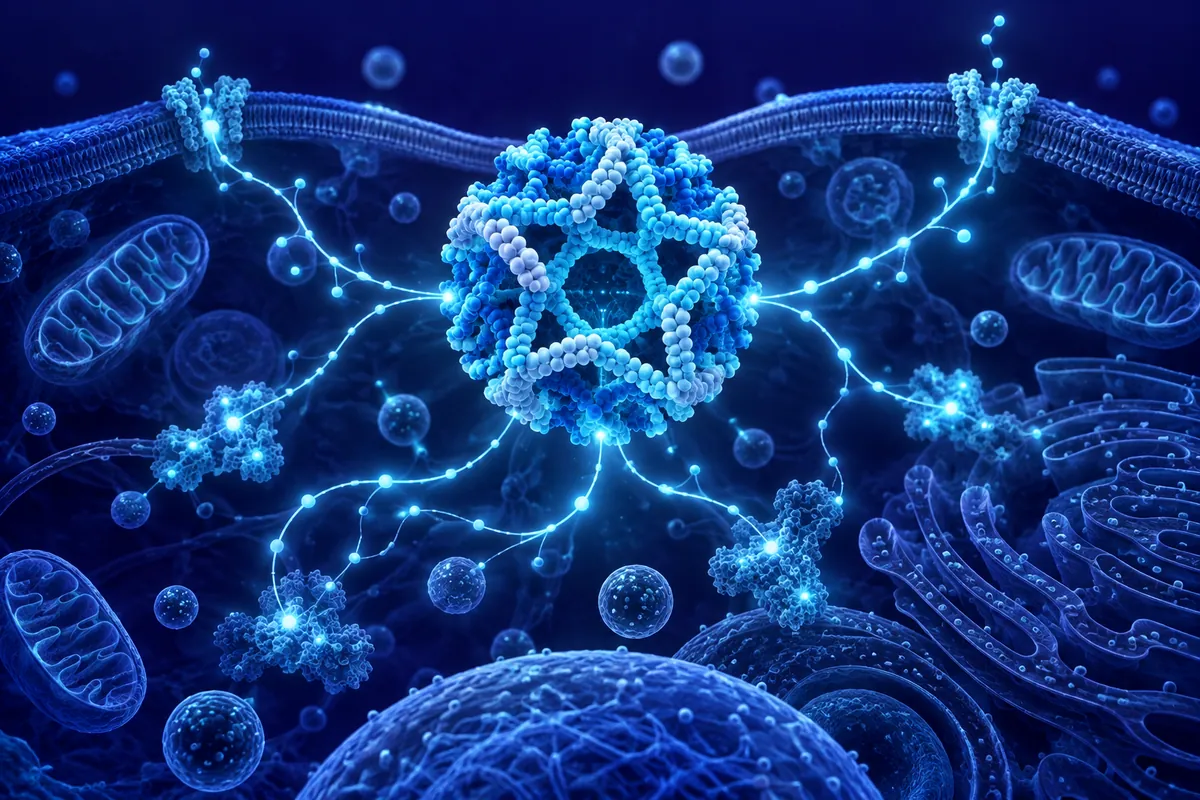
The HPG axis is a canonical example of biological feedback regulation. Hypothalamic neurons release GnRH in pulses, which travel through the hypophyseal portal system to the anterior pituitary, where they bind GnRH receptors on gonadotroph cells. This binding stimulates the release of luteinizing hormone (LH) and follicle-stimulating hormone (FSH) : the gonadotropins. These, in turn, travel to the gonads to regulate steroidogenesis and gametogenesis. Sex steroids feed back to both the hypothalamus and pituitary, modulating the entire cascade.
What happens when one part of this system fails? That’s where gonadorelin becomes an investigative instrument. By administering a known, standardized stimulus at the pituitary level, researchers can isolate the pituitary’s own responsiveness from upstream hypothalamic variability. Does the pituitary respond robustly? Sluggishly? Not at all? Each pattern carries its own mechanistic implications for HPG axis integrity.
Gonadorelin as a Research Tool: Assessing Pituitary Responsiveness
In laboratory and preclinical research settings, one of the primary applications of gonadorelin is the GnRH stimulation test : a functional assessment of pituitary gonadotroph reserve. The protocol is relatively straightforward. Gonadorelin is administered, and LH and FSH levels in blood or tissue samples are measured at defined intervals. The magnitude and kinetics of the gonadotropin response provide a functional readout of pituitary competence.
This type of stimulation testing has been used extensively in animal models to characterize HPG axis function across a range of experimental conditions. Studies in rodents, for instance, have employed gonadorelin challenges to map the pituitary response across developmental stages, assess effects of dietary or metabolic interventions on gonadotroph function, and examine how exogenous compounds alter endocrine signaling. The interpretive power comes precisely from using the native ligand: researchers know what signal they are delivering, which allows clean attribution of any altered response to downstream pituitary or gonadal factors.
Distinguishing Hypothalamic from Pituitary Dysfunction in Research Models
One of the more nuanced applications of gonadorelin in endocrine research is its utility in differentiating hypothalamic dysfunction from pituitary dysfunction in experimental models of hypogonadism. Consider two scenarios: in the first, the hypothalamus fails to produce adequate GnRH pulses; in the second, the pituitary itself is unresponsive to GnRH stimulation. Both scenarios result in low gonadotropin levels and downstream gonadal insufficiency : but they represent fundamentally different biological problems.
How does one distinguish them? Gonadorelin provides the answer. If administration of exogenous gonadorelin produces a robust LH and FSH response, the pituitary is functional and the deficit lies upstream. If gonadotropin release is blunted or absent despite direct pituitary stimulation, the dysfunction is pituitary in origin. This kind of mechanistic differentiation is critical in basic science investigations seeking to understand the locus of disruption in animal models of reproductive or metabolic disease.
Pulse Dynamics and Receptor Biology
GnRH’s pulsatile release pattern is not incidental : it is functionally essential. Continuous GnRH stimulation, paradoxically, leads to receptor downregulation and gonadotropin suppression. This biphasic relationship between stimulation pattern and pituitary response is a focus of ongoing research in neuroendocrinology.
Gonadorelin’s structural identity with endogenous GnRH makes it an ideal compound for studying this pulse-receptor dynamic. Researchers designing in vitro and in vivo models can control the frequency and amplitude of gonadorelin pulses to interrogate how gonadotroph cells encode frequency information, how receptor populations shift under different stimulation regimes, and what molecular pathways mediate desensitization. These are questions with broad implications for understanding hormonal communication systems.
Receptor Binding and Signal Transduction Pathways
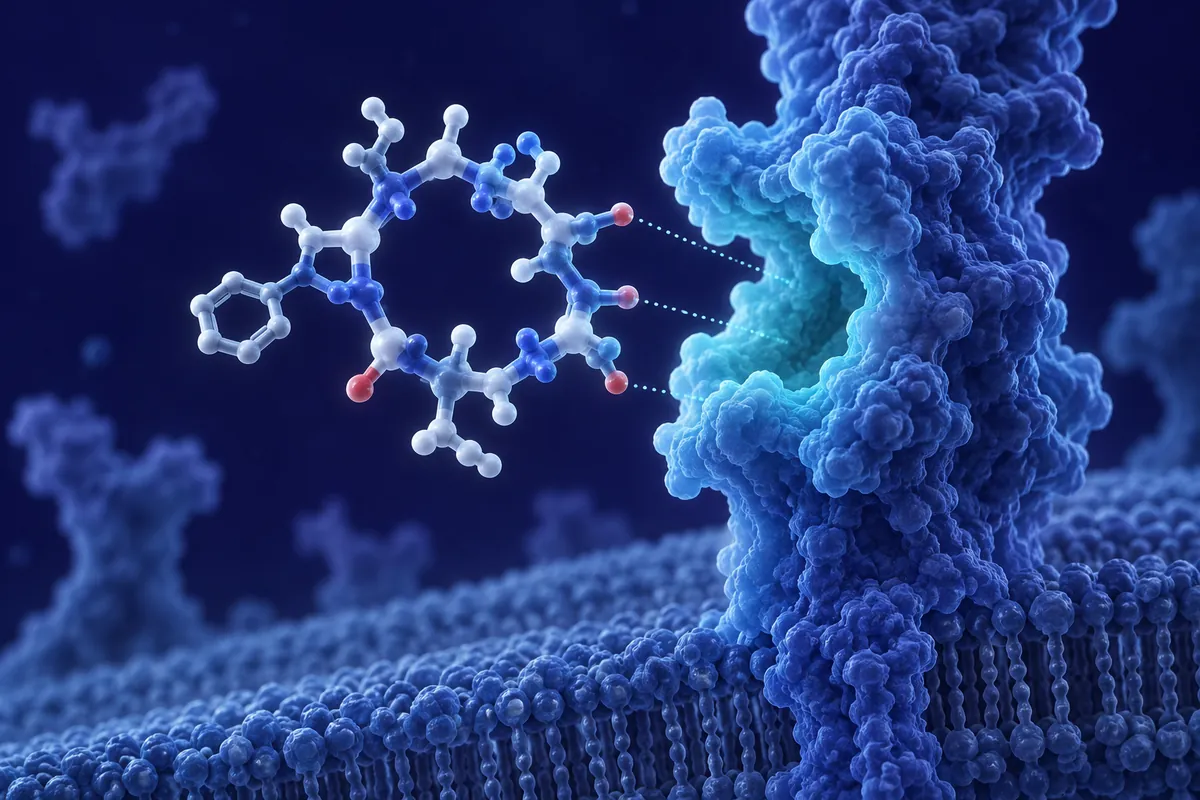
At the molecular level, gonadorelin binds the GnRH receptor (GnRHR), a seven-transmembrane G protein-coupled receptor (GPCR) expressed predominantly on pituitary gonadotrophs. Receptor activation triggers Gαq/11-mediated phospholipase C activation, leading to inositol trisphosphate (IP₃) generation, intracellular calcium mobilization, and protein kinase C (PKC) activation. The downstream result is synthesis and secretion of LH and FSH.
Research using gonadorelin as the stimulating ligand has contributed substantially to mapping this signal transduction cascade. In particular, investigators have used gonadorelin in cell culture systems to study receptor internalization kinetics, the role of β-arrestin in GnRHR desensitization, and how co-stimulatory inputs modulate gonadotropin synthesis at the transcriptional level. The native peptide offers a clean experimental handle that synthetic analogues with altered receptor kinetics cannot always provide.
Comparative Research: Gonadorelin Versus GnRH Analogues
It is worth distinguishing gonadorelin from the broader class of GnRH analogues used in research : agonists like leuprolide or buserelin, and antagonists like cetrorelix. When the research question concerns physiological GnRH signaling, the use of a longer-acting analogue can confound interpretation by producing sustained receptor activation well beyond the normal pulse window.
Gonadorelin’s relatively short half-life : reflecting its native structure and susceptibility to enzymatic cleavage : actually becomes an asset in pulse-mimicry experiments. Researchers can administer it in controlled pulses and be confident that the stimulation period is defined and limited. The faster clearance mirrors endogenous dynamics in a way that structurally modified analogues cannot.
Applications in Reproductive Biology Research
Beyond endocrine axis assessment, gonadorelin has found applications in reproductive biology research across multiple species. In ruminant and equine models, it has been used to investigate the timing of ovulation induction in experimental protocols, offering insights into the interplay between GnRH pulse timing and LH surge generation. These animal model studies contribute to the broader scientific understanding of how GnRH-dependent signaling coordinates reproductive cycles.
In rodent models, gonadorelin challenge studies have informed our understanding of how perinatal hormonal exposure shapes adult HPG responsiveness : a key question in developmental neuroendocrinology. The consistent use of a structurally defined, well-characterized peptide across studies facilitates cross-study comparison and meta-analytic synthesis of findings.
Research Considerations: Purity, Stability, and Experimental Design
For researchers incorporating gonadorelin into experimental protocols, several practical considerations bear attention. Peptide purity is paramount. Given the low endogenous concentrations of LH and FSH being measured as readouts, even minor contaminants in the stimulating agent could introduce confounding biological activity. High-performance liquid chromatography (HPLC) purity data and mass spectrometry verification should be standard expectations when sourcing gonadorelin for research use.
Stability in aqueous solution is another relevant variable.
Interpreting Stimulation Test Results in Animal Models
What constitutes a “normal” LH response to gonadorelin challenge in a given model organism? Baseline values vary by species, sex, age, and reproductive status : all variables that need to be accounted for in experimental design. Researchers typically establish within-study reference ranges using control groups and express responses as fold-change or area-under-the-curve metrics rather than relying solely on absolute hormone concentrations. These analytical choices can significantly affect the sensitivity and specificity of the HPG axis assessment.
Summary: Gonadorelin as a Precision Instrument in Endocrine Research
Few research peptides carry the interpretive value of gonadorelin in the context of HPG axis investigation. Its structural identity with endogenous GnRH, short half-life, well-characterized receptor binding profile, and decades of validated use in animal model research make it a foundational tool for studying pituitary responsiveness, distinguishing loci of endocrine dysfunction, and interrogating the molecular mechanisms of gonadotropin regulation. Whether used in stimulation challenge paradigms, pulse-frequency experiments, or receptor biology studies, gonadorelin offers researchers a direct line of inquiry into one of biology’s most elegant feedback systems.
The depth of knowledge that has accumulated around this single decapeptide reflects its centrality to reproductive and endocrine biology. For researchers building on that foundation, gonadorelin remains one of the most precisely characterized and conceptually rich tools available in the peptide research toolkit.
For Research Purposes Only. Gonadorelin is intended for laboratory and preclinical research use only. The information provided in this article is for scientific and educational purposes and does not constitute guidance for use in humans or animals outside of controlled research settings.
Disclaimer: This content is intended for research purposes only and is not meant to constitute medical advice.
This educational material discusses laboratory research concepts only. Loti Labs products are intended strictly for research and development use and are not for human consumption.