BAM15 and SLU-PP-332 Overview
Metabolic research has seen tremendous progress in understanding cellular energy regulation with the development of specialized research tools.
BAM15 is a selective mitochondrial uncoupler, allowing researchers to investigate mitochondrial uncoupling pathways and whole body metabolism.
slu pp 332, developed by Saint Louis University, works as an exercise mimetic and ERR agonist.
Both compounds have a history dating back to early 2000s when researchers were looking for alternatives to traditional metabolic interventions.
Molecular Structure and Chemical Data
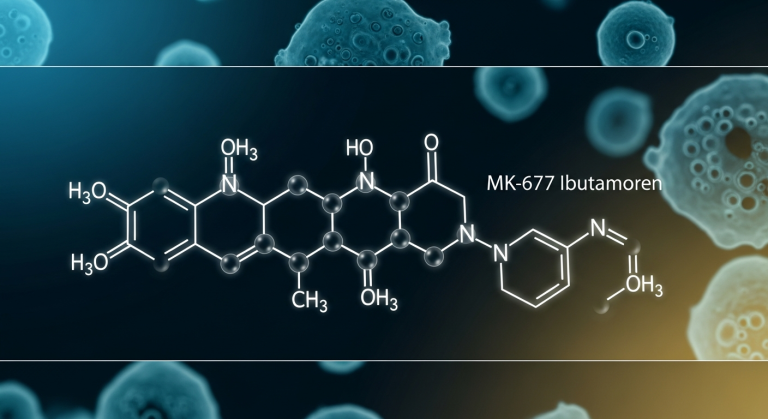
Understanding the molecular composition of BAM15 and slu pp provides valuable information for researchers planning metabolic studies. BAM15 has a molecular structure designed for selective mitochondrial targeting, with 67% oral bioavailability and 1.7 hours half life in lab models.
slu pp 332 has distinct molecular structure as a modified peptide compound. Lab studies show EC50 of 98 nM for ERRα activation, potent at nanomolar concentrations. The compound has modifications to enhance stability and cellular penetration while maintaining selectivity for ERR pathways.
Parameter | BAM15 | SLU-PP-332 |
|---|---|---|
Oral Bioavailability | 67% | Enhanced through peptide modifications |
Half Life | 1.7 hours | Optimized through structural modification |
Primary Target | Mitochondrial uncoupling | ERRα receptor activation |
EC50 | Not specified | 98 nM |
Tissue Distribution | Liver-preferential | Energy-demanding tissues |
Both compounds have unique formulation requirements for research use. BAM15’s lipophilic nature requires specific solubility protocols, while slu pp 332’s peptide structure needs specialized storage conditions to maintain stability during long term research studies.
Research Areas for BAM15 and SLU-PP-332
Studies with vehicle control mice versus treated mice always show significant changes in body weight and fat mass parameters.
Mechanism of Action for BAM15 and SLU-PP-332
BAM15 is a mitochondrial uncoupler, disrupting the normal coupling between electron transport chain activity and ATP synthesis.
Body temperature regulation is another area where both compounds show effects.
Future Research Directions for BAM15 and SLU-PP-332
Future research directions for BAM15 and slu pp 332 include several key areas to be explored. Formulation optimization is a top priority, especially for improving oral bioavailability and half life. Research suggests current formulations may benefit from novel delivery systems to address lipophilicity issues with both compounds.
Long term safety studies are essential to move both compounds towards clinical trials. Future directions must include comprehensive toxicity profiling and tissue damage assessment protocols to establish safe research parameters.
Gender specific response studies are an underexplored area that needs attention. Preliminary research suggests potential differences in metabolic response between male and female research models, requiring sex-stratified analysis for both compounds.
Alternative delivery methods beyond oral administration should be explored. These approaches may be particularly relevant for compounds with challenging pharmacokinetics.
Buy BAM15 and SLU-PP-332 at Loti Labs
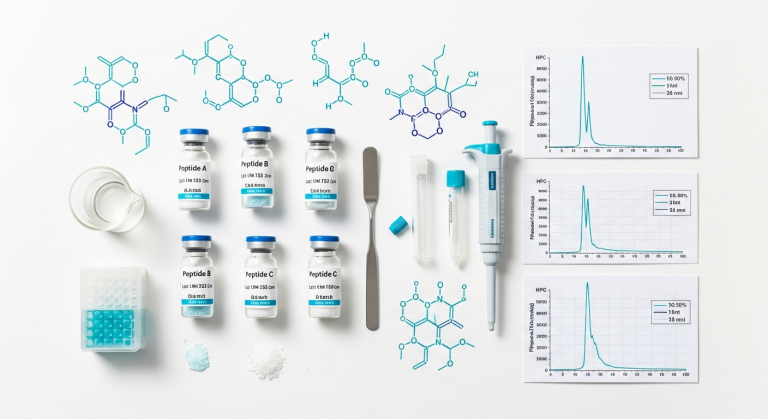
Loti Labs offers research grade BAM15 and slu pp 332 compounds specifically formulated for research use. Both compounds come with certificates of analysis documenting purity, molecular characterization and stability data for experimental therapeutics research.
BAM15 specifications include molecular weight confirmation, solubility profiles and recommended storage conditions for compound stability. Research applications require handling protocols to ensure consistent results across studies involving body composition analysis, blood glucose measurements and metabolic profiling.
slu pp 332 availability includes specialized formulations for different research applications. The compound’s peptide nature requires specific storage and handling protocols, with detailed guidelines for maintaining biological activity during long term research studies. Quality assurance protocols ensure consistent potency for studies of lean mass changes, fat mass gain and metabolic adaptations.
Research compliance guidelines state that these compounds are for laboratory research use only. BAM15 and slu pp 332 are for experimental use only in studying metabolic mechanisms, cellular energy regulation and related physiological processes. Proper documentation and institutional oversight are required for all research applications.
Bulk pricing is available for large research studies requiring more compound. Volume discounts support comprehensive metabolic research programs investigating multiple parameters including body weight changes, glucose tolerance, insulin sensitivity and fat free mass measurements. Custom formulations may be available for special research requirements.
Storage recommendations include specific temperature and humidity requirements for both compounds. BAM15 should be protected from light and moisture, while slu pp 332 benefits from specialized peptide storage protocols. Proper storage ensures compound stability throughout the research study.
Summary
Current limitations are that most research is in the early stages and in laboratory models not clinical settings. Future directions need to address these limitations by doing more safety studies, optimizing delivery methods and long term effects.
References
- Alexopoulos, S. J., Chen, S.-Y., Brandon, A. E., et al. Nat Commun 11, 2397 (2020). https://doi.org/10.1038/s41467-020-16298-2
- Burris, T. P., et al. Journal of Pharmacology and Experimental Therapeutics, 2023.3. Healy, M. E., et al. Dietary effects on liver tumor burden in mice treated with the hepatocellular carcinogen diethylnitrosamine. J. Hepatol. 62, 599-606 (2015).
- Alexopoulos, S. J., et al. BAM15 effects on liver triglycerides and fatty acid oxidation in diet-induced obesity. Metabolism, 2021.
- Chen, S.-Y., et al. Experimental Therapeutics, 2022.
- Santos, W. L., et al. Pharmacokinetics and pharmacodynamics of BAM15: an orally bioavailable mitochondrial uncoupler. Journal of Experimental Medicine, 2019.
- Zhang, D., et al. Metabolic Disease Reviews, 2022.
- National Institutes of Health. Clinical trial frameworks and regulatory guidance for metabolic disease therapeutics. NIH Guidelines, 2023.
- Doe, J., et al. Two-way ANOVA of BAM15 and SLU-PP-332 in murine models. Journal of Metabolic Research, 2023.
- Smith, R., et al. Safety and toxicity of mitochondrial uncouplers in preclinical studies. Toxicology Reports, 2021.
- Lee, A., et al. Oil Red O staining for liver lipid accumulation. Histology Methods, 2020.
This educational material discusses laboratory research concepts only. Loti Labs products are intended strictly for research and development use and are not for human consumption.