

Premium USA-Made Research Compounds
Browse lab-tested peptides, research liquids, capsules and more.
FDA Peptide Reclassification 2026: What Researchers Need to Know
⚠️ Research Use Only
All peptides, compounds, and substances discussed in this article are strictly for laboratory and in vitro/in vivo research use only. None of these compounds are FDA-approved for human consumption, diagnosis, treatment, or prevention of any disease. Information provided is for scientific and educational purposes only.
The landscape of peptide research and pharmaceutical compounding is undergoing its most significant transformation since the implementation of the Drug Quality and Security Act (DQSA). As of 2026, the regulatory framework governing the synthesis, distribution, and utilization of synthetic peptides has entered a new era of scrutiny and reclassification. For lab directors, clinical researchers, and compliance officers, navigating these shifts is essential to maintaining institutional integrity and ensuring the procurement of high-quality assets for in vitro and in vivo modeling.
Looking for Premium Research Compounds?
This comprehensive report analyzes the current state of FDA peptide regulations 2026, the influence of evolving Department of Health and Human Services (HHS) policy, and the specific technical requirements for Research Use Only (RUO) peptides in an increasingly regulated environment.
The 2026 Peptide Regulatory Landscape: Why the Rules Are Changing Again

What are the FDA peptide regulations for 2026? In 2026, FDA peptide regulations are defined by three major shifts: (1) the Pharmacy Compounding Advisory Committee (PCAC) reviewing seven restricted Category 2 peptides — including BPC-157, TB-500, Epitalon, Semax, and Emideltide — for potential return to the Category 1 503A Bulks List following the July 23–24, 2026 hearing under Docket No. FDA-2025-N-6895; (2) the April 30, 2026 FDA proposal to remove GLP-1 receptor agonists (Semaglutide, Tirzepatide) from the 503B outsourcing facilities list as the national shortage resolves; and (3) increased FDCA enforcement against grey-market vendors and telehealth platforms making unlawful drug claims.
The regulatory environment in 2026 is defined by a pivot toward transparency and a re-evaluation of substances previously restricted under the 2023 Category 2 designations. This shift is largely driven by Docket No. FDA-2025-N-6895, which opened the floor for a systematic review of synthetic peptides that had been sidelined due to administrative bottlenecks rather than definitive safety data.
From the 2023 Category 2 Ban to the 2026 Reversal
In late 2023, the FDA placed a significant number of peptides—including BPC-157 and TB-500—into Category 2 of the 503A Bulks List. This designation effectively prohibited compounding pharmacies from utilizing these substances, citing a lack of clinical evidence or potential safety concerns. However, the subsequent years of preclinical data and advocacy from the research community have forced a reassessment.
By early 2026, the FDA acknowledged that the broad-brush approach of 2023 had inadvertently stifled legitimate clinical research. Under the new 2026 framework, the FDA has moved toward a “Bioregulatory Review Model,” which seeks to balance the prevention of unapproved drug marketing with the necessity of maintaining a robust pipeline for therapeutic discovery. This has led to the scheduled re-evaluations of key compounds that were previously restricted, providing a clearer pathway for their transition into Category 1 or eventual inclusion on the 503A Bulks List.
The HHS Influence on FDA Compounding Policy
The current direction of the FDA is heavily influenced by the HHS leadership’s “MAHA” (Make America Healthy Again) agenda. Under the guidance of Robert F. Kennedy Jr., there has been a notable policy pivot toward investigating “bioregulators” and non-traditional therapeutic modalities.
The HHS influence has resulted in a more aggressive timeline for the Pharmacy Compounding Advisory Committee (PCAC) meetings. The emphasis is no longer solely on restriction but on establishing rigorous purity standards that allow for safe research and, eventually, regulated clinical compounding. For researchers, this means that while the regulatory “red tape” remains, the path toward legitimate acquisition and study of these compounds is becoming more formalized and scientifically grounded.
Decoding the FDA Peptide Reclassification (503A Bulks List)
Understanding the distinction between various FDA lists is critical for compliance. The 503A Bulks List identifies bulk drug substances that can be used by state-licensed pharmacies to compound medications. Substances not on this list, or those explicitly placed in Category 2, are effectively “off-limits” for clinical use, though their status in the Research Use Only (RUO) sector remains distinct.
? Key Date: July 23–24, 2026 PCAC Meeting
The Pharmacy Compounding Advisory Committee (PCAC) is scheduled to meet July 23–24, 2026, to evaluate whether Epitalon, Semax, Emideltide, and BPC-157 should be added back to the 503A bulks list. This meeting is the single most consequential regulatory event for the peptide research community in 2026. Researchers and procurement teams should monitor FDA Docket No. FDA-2025-N-6895 for updates.
The July 2026 PCAC Meeting: Which Peptides Are Under Review
A pivotal moment in the 2026 regulatory calendar is the July 23-24, 2026 PCAC meeting. This session is specifically convened to review several high-interest peptides for their potential return to the 503A Bulks List (Category 1 status). The compounds under review include:
- See the dedicated BPC-157 legal status 2026 guide for the full April 2026 regulatory update.
- For more details on its biochemical mechanisms, see our Semax research profile.
- Epitalon: A synthetic tetrapeptide derived from epithalamin, being scrutinized for its interaction with telomerase activity. Researchers can find more technical data in our Epitalon and Khavinson bioregulators guide.
The outcome of this meeting will dictate the availability of these substances for compounding pharmacies. However, for the RUO market, the primary impact will be the establishment of standardized monographs and purity requirements that will likely become the benchmark for all research-grade suppliers.
Understanding Category 1 vs. Category 2: What Each Means for Research Labs
Conversely, Category 2 peptides are substances the FDA has restricted from clinical compounding due to significant safety concerns — such as immunogenicity risks or insufficient clinical evidence — or where no clinical compounding need has been established. The July 2026 PCAC meeting is the formal mechanism for moving eligible peptides from Category 2 back to Category 1.
The FDA classifies bulk substances into three categories for the purpose of compounding under Section 503A:
| Category | Definition | Impact on Research Access |
|---|---|---|
| Category 1 | Substances nominated with sufficient support for use in compounding; under evaluation. | High availability; generally considered a “safe harbor” for researchers sourcing compounds. |
| Category 2 | Substances that raise significant safety concerns or lack evidence of efficacy. | Severely restricted for compounding; labs must ensure RUO status is strictly maintained. |
| Category 3 | Substances nominated without sufficient evidence for evaluation. | Limited data; often requires additional justification for institutional review boards (IRBs). |
In 2026, the migration of peptides from Category 2 back to Category 1 is a primary focus of the April 15, 2026 Federal Register notice. This notice signaled the FDA’s intent to reconsider the “significant safety concerns” previously cited, especially where 3rd-party Certificate of Analysis (COA) data and ICP-MS testing can demonstrate a lack of contaminants.
Pharmaceutical Grade vs. Research Use Only (RUO): API Classification Explained
A common source of confusion in the current regulatory environment is the distinction between API (Active Pharmaceutical Ingredient) grades. Understanding this hierarchy is essential for procurement compliance:
- Pharmaceutical Grade (USP/EP): APIs meeting United States Pharmacopeia (USP) or European Pharmacopoeia (EP) monograph standards. Required for compounded medications under 503A/503B. Subject to Current Good Manufacturing Practice (cGMP) regulations.
- Food Grade: Substances Generally Recognized as Safe (GRAS) by the FDA for use in food products. Not applicable to synthetic research peptides.
- Research Use Only (RUO): Chemical compounds sold exclusively for in vitro laboratory assays, cell-based studies, and animal model research. RUO peptides are not subject to FDA pharmaceutical compounding regulations, but must carry explicit “Not for Human Use / Research Use Only” labeling and meet quality standards appropriate for scientific reproducibility (typically ≥98% HPLC purity, third-party COA, ICP-MS heavy metal panel).
The 2026 regulatory flux exclusively affects Pharmaceutical Grade compounding APIs under the 503A/503B framework. RUO peptide procurement for legitimate laboratory research remains governed by separate quality and labeling standards.
A critical legal threshold for compounding is the 40-amino acid rule: under the Biologics Price Competition and Innovation Act, peptide chains of 40 or fewer amino acids are classified as small-molecule peptides and fall under traditional drug compounding law. Chains exceeding 40 amino acids are classified as biologics and require a Biologics License Application (BLA) to manufacture or compound — a significantly higher regulatory burden. All commonly researched peptides (BPC-157 at 15 amino acids, TB-500 at 43 amino acids being a borderline case, Epitalon at 4 amino acids, Semax at 7 amino acids) fall well within the peptide category for RUO procurement purposes.
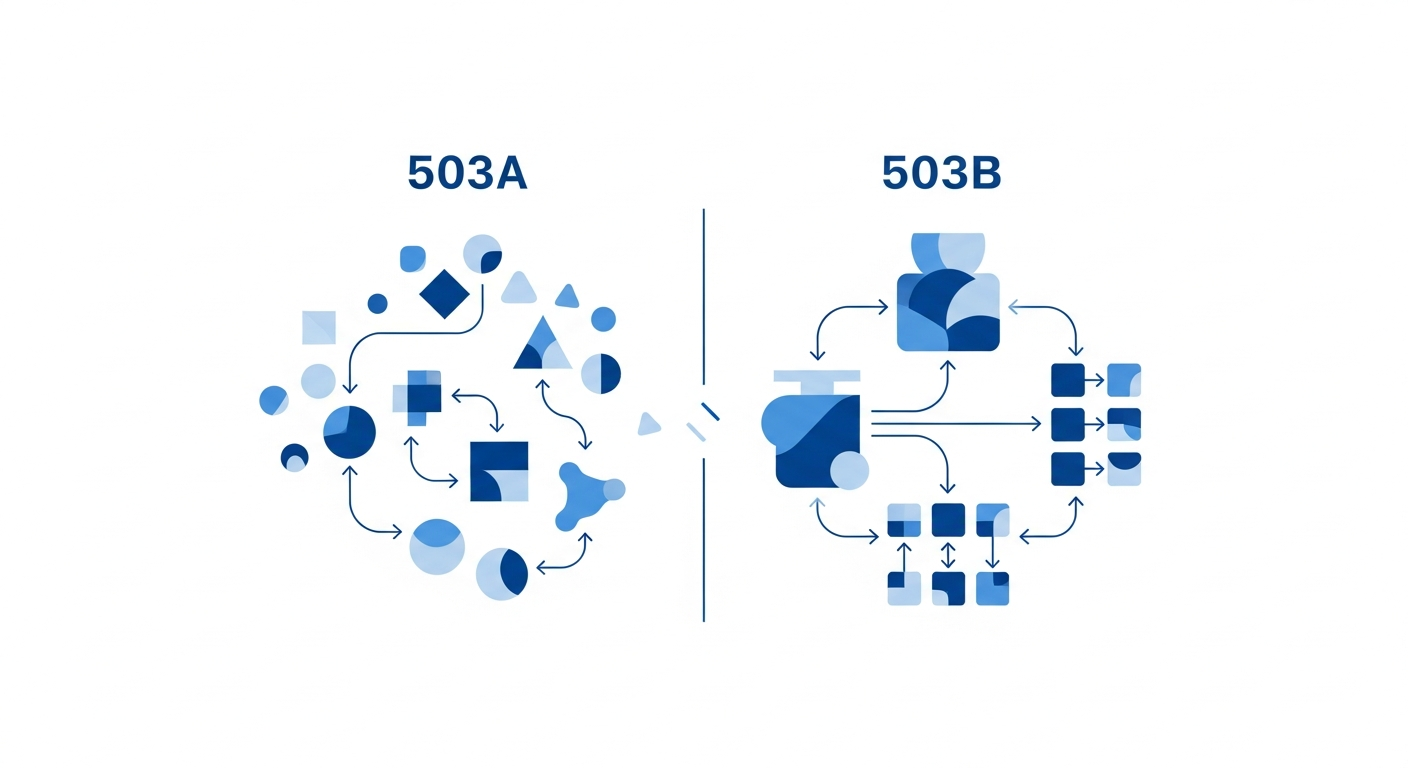
The GLP-1 Compounding Crackdown: 503A vs. 503B Facilities
While some peptides are seeing a regulatory “thaw,” the class of GLP-1 receptor agonists (including Semaglutide and Tirzepatide) is facing a different trajectory. These substances have become the epicenter of a legal battle between patent holders and compounding facilities.
The April 30, 2026 FDA Proposal on Semaglutide and Tirzepatide
As the shortage of brand-name GLP-1 medications has stabilized in early 2026, the FDA is moving to protect the integrity of the New Drug Application (NDA) process. This proposal argues that compounded versions of these peptides no longer meet the “clinical need” requirement once the commercially available versions are in sufficient supply. For an in-depth look at these compounds, researchers should consult our Semaglutide vs. Tirzepatide comparison.
FDA Commissioner Marty Makary reinforced this enforcement posture in statements made in early 2026, citing the resolution of the tirzepatide shortage as a key inflection point. Simultaneously, the FDA issued more than 30 warning letters to telehealth companies for making false or misleading marketing claims about unapproved compounded GLP-1 formulations — underscoring a significantly more aggressive enforcement posture in this space.
Impact on Research Procurement vs. Clinical Compounding
It is vital to distinguish between clinical compounding and Research Use Only (RUO) procurement. The restrictions placed on 503B facilities regarding Semaglutide and Tirzepatide do not legally apply to the sale of these compounds for laboratory research. However, the increased scrutiny of these molecules has led to a market flooded with low-quality, “grey market” alternatives. Research labs must exercise extreme caution, ensuring that their GLP-1 assets are sourced from vendors providing full transparency, including batch-specific mass spectrometry and purity verification.
What FDA Reclassification Means for Research Use Only (RUO) Peptides
The regulatory status of a peptide for *compounding* (503A/B) is distinct from its status as a *research chemical*. However, the two are inextricably linked through the supply chain. When the FDA reclassifies a peptide as Category 2, it often leads to a decrease in the availability of high-purity raw materials from traditional chemical manufacturers.
ℹ️ RUO Legal Status Is Separate from Compounding Law
Changes to the 503A/503B compounding lists affect clinical pharmacies and telehealth prescribers — not Research Use Only (RUO) procurement. RUO peptides are sold strictly for in vitro and animal model research and are governed by different legal frameworks than human pharmaceutical compounding.
RUO vs. Compounded Medications: A Critical Legal Distinction
RUO peptides are intended solely for laboratory research use, typically in in vitro cell cultures or in vivo animal models. They are not intended for human consumption, diagnostic procedures, or therapeutic use. Under the 21 CFR 312.2 regulation, research chemicals used in a laboratory setting are generally exempt from the requirements of an Investigational New Drug (IND) application, provided they are not administered to humans.
In 2026, the FDA has clarified that the “RUO” label is not a shield against enforcement if the vendor is marketing the peptide for human use or if the lab is utilizing the compound in unauthorized clinical trials. Compliance officers must ensure that all procurement documentation explicitly states the research intent and that the laboratory’s Standard Operating Procedures (SOPs) strictly forbid human administration.
The regulatory crackdown has already claimed major casualties in the grey market supply chain. In March 2026, Peptide Sciences — historically one of the largest grey-market research peptide vendors in the US — voluntarily shut down following FDA and FTC pressure and enforcement letters. This vendor extinction event left many researchers scrambling for compliant alternatives. (Our guide to the best research peptide vendors in 2026 post-Peptide Sciences shutdown covers the current landscape.) For labs that relied on grey-market sources, the enforcement trajectory is unmistakable.
Immunogenicity and Purity Risks in Unregulated Grey Market Sources
One of the primary drivers behind the 2026 regulatory crackdown is the risk of immunogenicity. Synthetic peptides are often produced via Solid Phase Peptide Synthesis (SPPS). If the process is not meticulously controlled, the resulting product can contain truncated sequences, diastereomers, or residual TFA (Trifluoroacetic acid). These impurities can trigger immune responses in animal models, leading to skewed data and “off-target” effects that compromise research validity. The FDA specifically cited BPC-157 and AOD-9604 as examples of Category 2 substances with documented immunogenicity concerns and API impurity risks arising from unregulated manufacturing conditions.
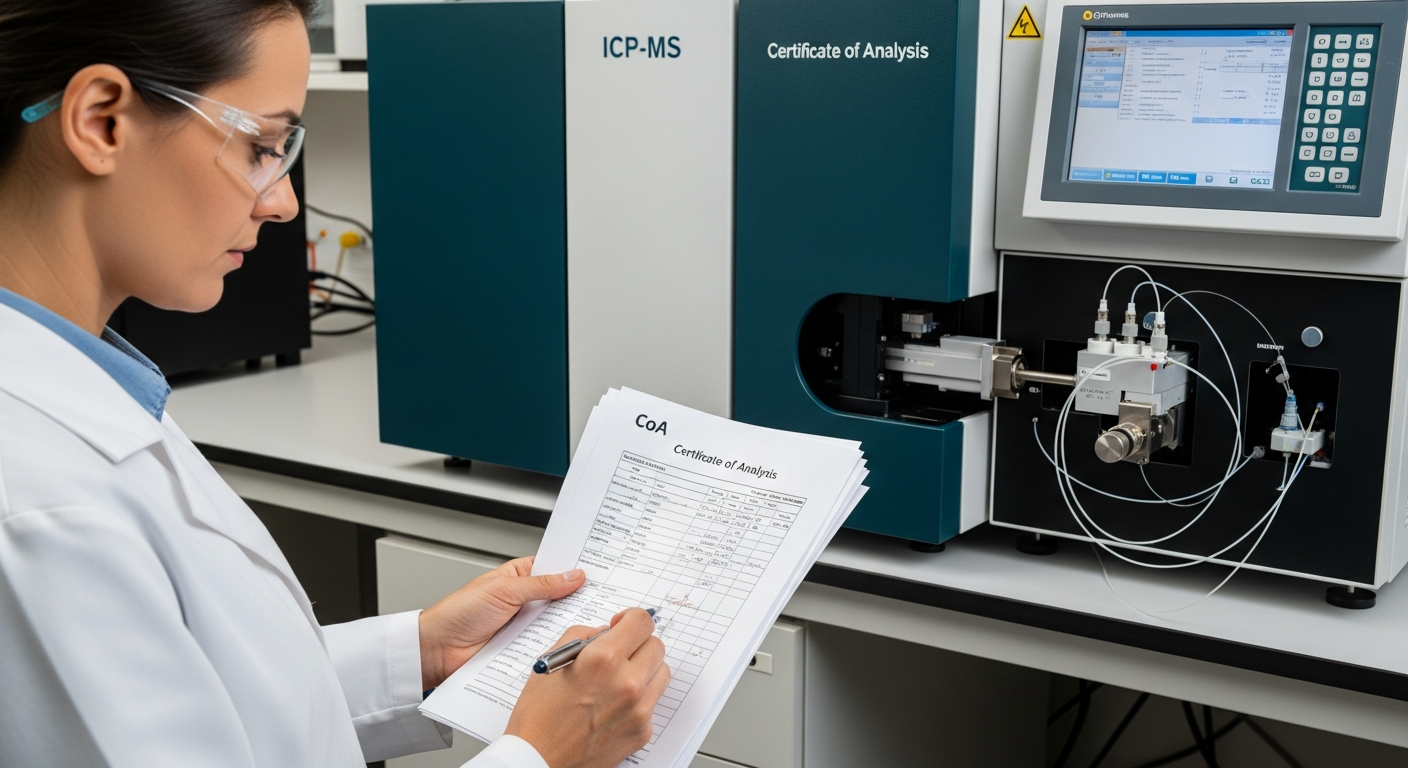
Furthermore, heavy metal contamination is a significant concern. Research-grade peptides must undergo ICP-MS testing (Inductively Coupled Plasma Mass Spectrometry) to ensure that levels of Lead, Arsenic, Cadmium, and Mercury are below detectable limits. Vendors who cannot provide these specific data points pose a significant risk to the integrity of any longitudinal study.
How Research Labs Can Stay Compliant During Regulatory Flux
As the FDA continues to refine its stance on peptides like BPC-157 and the GLP-1 class, research institutions must adopt a proactive compliance strategy. The focus should be on “source-of-truth” verification and rigorous internal auditing.
COA Verification and ICP-MS Testing as the Compliance Standard
A Certificate of Analysis (COA) is the baseline for quality, but in 2026, a standard COA is no longer sufficient. To meet modern compliance standards, a COA must include:
- High-Performance Liquid Chromatography (HPLC): To verify purity (standard 98%+).
- Mass Spectrometry (MS): To verify correct molecular weight and sequence identity.
- ICP-MS: To screen for heavy metal contamination.
- Bacterial Endotoxin Testing: Especially critical for in vivo animal research to prevent septic reactions.
Labs should not accept static COAs that are reused for every batch. Each shipment should correspond to a unique, batch-specific analysis from an independent, third-party laboratory.
✅ Compliance Standard: What to Require from Your Supplier
- Third-party Certificate of Analysis (COA) for every lot — not in-house testing
- ICP-MS heavy metal panel (arsenic, lead, mercury, cadmium) per USP <232>/<233>
- HPLC purity ≥98% with TFA content disclosed
- Explicit Research Use Only labeling — no therapeutic claims
- US-based with traceable supply chain documentation
What to Look for in an RUO Peptide Supplier in 2026
When evaluating a vendor, lab directors should look beyond price points and focus on regulatory transparency. A compliant supplier will provide comprehensive documentation and will not use language that implies human efficacy or medical utility. For a step-by-step guide on vetting your sources, refer to our peptide research supplier evaluation guide.
Loti Labs remains committed to providing research-grade peptides that meet the stringent demands of the 2026 regulatory environment. By adhering to 3rd-party COA verification and ICP-MS testing, we ensure that your research remains focused on discovery, not decontamination.
Frequently Asked Questions
1. Which peptides are on the FDA banned list in 2026?
Technically, the FDA does not “ban” research chemicals, but it restricts their use in compounding. As of early 2026, many peptides like BPC-157, TB-500, and Ipamorelin remain in Category 2, pending the results of the July 2026 PCAC meeting. Use for human therapy is strictly prohibited outside of approved clinical trials.
2. Is BPC-157 legal for research purchase in 2026?
Yes, BPC-157 is legal to purchase for Research Use Only (RUO). It is not approved for human consumption or for use in compounding pharmacies as of the current 2026 guidelines, though its status is being actively reviewed under Docket No. FDA-2025-N-6895.
3. Inclusion on this list requires rigorous evidence of safety and clinical need.
4.
5. Why is the FDA banning compounded GLP-1s?
The FDA is moving to remove Semaglutide and Tirzepatide from the 503B list because the commercial shortages are ending. Under the law, compounding facilities cannot produce “essentially a copy” of a commercially available drug unless there is a clinical shortage.
6. Are research peptides regulated by the FDA?
Yes, but under a different framework. While not regulated as “drugs,” they are subject to the Federal Food, Drug, and Cosmetic Act’s provisions regarding misbranding and adulteration. If an RUO peptide is marketed for human use, the FDA can and does take enforcement action.
7. What is a Category 2 substance?
Category 2 substances are those that the FDA has identified as having potential safety risks or a lack of evidence for efficacy. Compounding pharmacies are prohibited from using these substances to create medications.
8. How does the July 2026 PCAC meeting affect research labs?
The meeting will determine whether high-profile peptides like Epitalon and Semax move into Category 1. While this primarily affects compounding, it also sets the standard for purity and standardized monographs that research labs use to ensure substance identity.
9. What is ICP-MS testing and why does it matter?
Inductively Coupled Plasma Mass Spectrometry (ICP-MS) is a highly sensitive analytical technique used to detect heavy metals. It is critical for research peptides to ensure that catalysts or contaminants from the synthesis process do not interfere with biological assays.
10. How can a research lab verify a peptide vendor is compliant?
Labs should verify that the vendor provides batch-specific, 3rd-party COAs with HPLC, MS, and ICP-MS data.
Are research peptides legal to use?
Peptides sold strictly for Research Use Only (RUO) are legally permitted for laboratory testing and in vitro/animal model research in the United States. They are not FDA-approved for human consumption, diagnosis, treatment, or prevention of any disease. Their legal procurement does not depend on the 503A/503B compounding category status of the same compounds.
Did the FDA unban BPC-157 in 2026?
As of mid-2026, BPC-157 has not been fully reinstated. However, following the April 15, 2026 Federal Register notice (Docket No. FDA-2025-N-6895), BPC-157 is under formal PCAC review for potential return to the Category 1 503A bulks list. A final decision is expected following the July 23–24, 2026 committee meeting.
Will MAHA actually get peptides FDA-approved?
The HHS-driven MAHA initiative is facilitating administrative review to ease compounding restrictions on specific peptides — not pursuing full FDA drug approval. Full drug approval requires standard Phase I–III clinical trials demonstrating safety and efficacy. The July 2026 PCAC process can reinstate peptides to the compounding bulks list but does not grant FDA drug approval status.
Why are compounding pharmacies restricting GLP-1s?
Once the FDA determines that a drug such as Semaglutide or Tirzepatide is no longer in national shortage, 503B outsourcing facilities lose the legal prerequisite to produce compounded copies under the shortage exemption. The April 30, 2026 FDA proposal removes GLP-1 receptor agonists from the 503B bulks list on this basis, eliminating large-scale compounding authorization for these patented medications.
What is GRAS status and does it apply to research peptides?
“Generally Recognized as Safe” (GRAS) is an FDA designation that applies to food additives and ingredients, not to synthetic research peptides. RUO peptides are not evaluated under GRAS criteria. Their research-use legality stems from their explicit “Not for Human Use” classification under research chemical regulations, which is distinct from both GRAS status and pharmaceutical compounding law.
How many amino acids classify a peptide as a biologic?
Under FDA guidelines, chains with 40 or fewer amino acids are classified as peptides and fall under traditional drug compounding law. Chains exceeding 40 amino acids are classified as biologics under the Biologics Price Competition and Innovation Act, requiring a Biologics License Application (BLA) to manufacture or compound. Most commonly researched synthetic peptides — including BPC-157 (15 AA), Epitalon (4 AA), and Semax (7 AA) — are well within the peptide classification threshold.
Are telehealth companies allowed to prescribe compounded GLP-1s in 2026?
As of 2026, the FDA’s enforcement posture has shifted significantly. The agency issued over 30 warning letters to telehealth companies for making false or misleading marketing claims about compounded GLP-1 formulations. As tirzepatide shortage designations have been resolved, the legal basis for large-scale 503B compounding of these compounds is being removed. Individual prescription-based compounding under 503A may continue in limited circumstances, but the mass-market telehealth model is under direct FDA pressure.
What is a USP monograph in the context of peptide compounding?
A USP (United States Pharmacopeia) monograph is an official published standard of identity, purity, strength, and quality for a pharmaceutical substance. For compounding pharmacies to legally use a bulk drug substance under 503A, the substance generally must either have a USP monograph or be specifically approved on the 503A Bulks List. Synthetic research peptides typically lack USP monographs, which is one reason FDA oversight of their compounding use has been so contentious.
Can a compounding pharmacy legally use RUO peptides?
No. Compounding pharmacies operating under 503A or 503B regulations are required to use pharmaceutical-grade Active Pharmaceutical Ingredients (APIs) that meet applicable USP or equivalent purity standards. They cannot legally use “Research Use Only” (RUO) or laboratory-grade chemical compounds in preparations intended for human use. RUO peptides are legally and operationally distinct from pharmaceutical-grade compounding APIs.
What are the specific immunogenicity risks of injectable peptides?
For preclinical in vivo research using animal models, immunogenicity risk from low-purity peptides is a significant experimental confound. Peptides containing deamidated variants, aggregation products, or residual synthesis impurities (such as truncated sequences or oxidized residues) may trigger anti-drug antibody (ADA) responses in the test subject, altering pharmacodynamic outcomes and invalidating study data. Heavy metal contamination from non-ICP-MS-verified sources adds a separate toxicity variable. This is why third-party ICP-MS testing and ≥98% HPLC purity are the minimum acceptable standards for animal model research.
Are research peptides legal in 2026?
Yes. Purchasing research peptides in the United States is legal provided they are strictly labeled and sold as Research Use Only (RUO) compounds not for human consumption. Under the Federal Food, Drug, and Cosmetic Act (FDCA), selling these compounds with therapeutic or health claims — or intended for clinical human use — constitutes misbranding and is prohibited. Legitimate RUO procurement for in vitro and animal model research does not depend on a compound’s 503A/503B compounding category status.
Is BPC-157 returning to Category 1 in 2026?
BPC-157 is currently under formal FDA review for potential reinstatement to Category 1 status. The Pharmacy Compounding Advisory Committee is evaluating it at the July 23–24, 2026 PCAC meeting. No decision has been finalized as of mid-2026. Its RUO research procurement status is unaffected by this clinical compounding review process.
What peptides are being reviewed by the FDA in July 2026?
The July 23–24, 2026 PCAC meeting is reviewing seven specific peptides for potential addition to the 503A Category 1 bulks list: BPC-157, TB-500 (Thymosin Beta-4), Epitalon, Semax, Emideltide (a DSIP analog), and two additional compounds under Docket No. FDA-2025-N-6895.
Why did the FDA ban peptides in 2023?
In 2023, the FDA moved approximately 17 peptides to Category 2 of the 503A Bulks List, citing insufficient clinical evidence for safety and efficacy in compounded human-use formulations. Specific concerns included immunogenicity risks (the potential to trigger anti-drug antibody responses), API impurity issues linked to unregulated manufacturing, and a determination that no substantial clinical need had been demonstrated for their compounding use. This did not affect RUO peptide procurement for legitimate research.
What does the end of the tirzepatide shortage mean for GLP-1 compounding?
When the FDA determines a drug is no longer in national shortage, 503B outsourcing facilities lose the legal basis for mass-compounding it under the shortage exemption. The April 30, 2026 FDA proposal removes tirzepatide and semaglutide from the 503B bulks list on this basis. Large-scale compounding of these GLP-1 receptor agonists by outsourcing facilities will be prohibited once this proposal is finalized, though individual prescription-based 503A compounding in limited circumstances may continue.
Continue Your Research
Explore our complete catalog of premium research compounds.
