Disclaimer: All products sold by Loti Labs are for research/laboratory use only. This article has been compiled from numerous sources and is not intended as advice of any kind. Neither does Loti Labs make any claims to the use of this product. Nothing in this article should be construed as advice or claims.
What Is KPV Peptide?
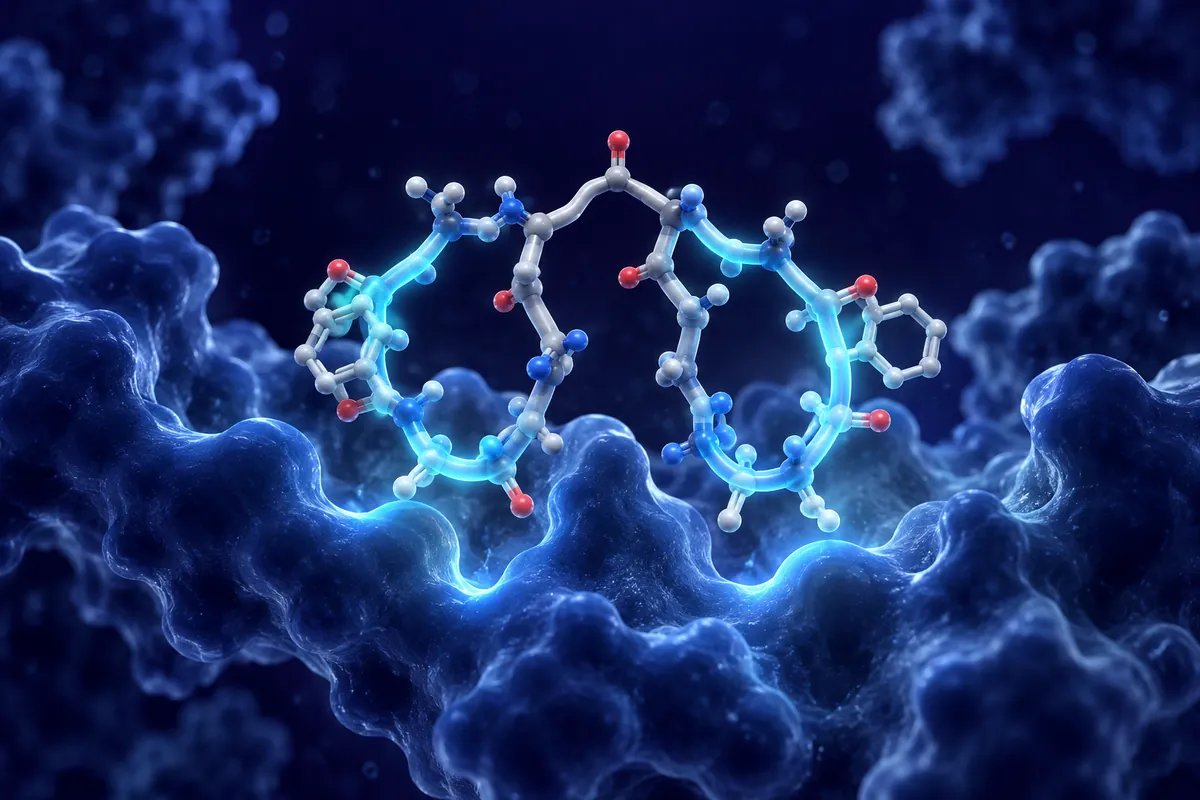
KPV peptide is a naturally occurring peptide composed of 3 amino acids: lysine, proline, and valine. Understanding the basic structure of KPV sets the stage for understanding its complex mechanisms and potential applications in peptide research.
Composition of KPV Peptide
KPV is composed of 3 specific amino acids: lysine, proline, and valine, forming a unique tripeptide structure. This unique structure is key to the peptide’s biological activity in research.
Mechanism of Action of KPV Peptide
This not only highlights its potential in peptide research but also emphasizes the need for further studies to fully understand its capabilities.
KPV Peptide and Gut Health
We will explore these applications in more detail, looking at KPV administration methods and its impact on gut health in research.
These findings show KPV’s potential in targeting IBD in experimental studies.
Research Findings on Safety of KPV Peptide
Who Can Use KPV Peptide Research in Research?
Here are some groups who may find KPV peptide research useful in research:
- Inflammatory Models: Models of arthritis, fibromyalgia, and chronic pain often involve inflammation.
- Gut Health Models: Research models of leaky gut syndrome and IBS may find relief through KPV peptide research.
- Autoimmune Models: Autoimmune conditions like rheumatoid arthritis and lupus involve the immune system attacking the body’s own tissues.
- Neurodegenerative Models: Conditions like Alzheimer’s and Parkinson’s disease involve chronic inflammation and immune system dysregulation.
- Compromised Immune Models: Models of HIV/AIDS and cancer often have weakened immune systems.
Here are some tips to optimize KPV:
- Healthy Diet in Models: A diet rich in fruits, vegetables, and whole grains supports the immune system and reduces inflammation in research models. Nutrient dense foods provide the vitamins and minerals the body needs to defend itself.
- Exercise in Models: Physical activity including cardio and strength training improves immune function and reduces inflammation in research models. Exercise maintains overall health and supports the body’s ability to respond to inflammatory conditions.
- Prioritize Sleep and Stress Management in Models: Adequate sleep and stress management are key to overall health in research models. Both are important in reducing inflammation and supporting the immune system.
- Avoid Smoking and Excessive Alcohol in Models: Smoking and heavy alcohol use can exacerbate inflammation and harm overall health in research models.
- Adherence to the treatment regimen is key to achieving optimal results.
- Monitor Progress and Adjust Treatment in Research: Regularly monitor progress and adjust treatment as needed to optimize KPV peptide research in research.
Current Research and Future Directions for KPV Peptide
Current research on KPV is extensive with over 70 studies published from 1973 to 2021.
Experimental Studies on KPV Peptide
These studies provide a solid foundation for understanding how KPV can be used in research.
More studies are needed to evaluate KPV peptide research for specific experimental conditions. Further research will refine our understanding of KPV and optimize its use in peptide research for various health concerns.
Future Research Areas for KPV Peptide
Future research is needed to fully understand its effects in these areas and explore neurodegenerative disease models. This research will expand KPV’s research uses and open up new study possibilities.
More studies are also needed to evaluate KPV for specific experimental conditions. By researching these areas scientists can uncover new insights into KPV and develop new approaches to various health issues.
Summary
As we continue to research KPV we need to do more research to fully understand its capabilities and optimize its use in peptide research. The future of KPV research is exciting and will lead to new studies and better research outcomes.
FAQs About KPV Peptide
What is KPV peptide?
It has potential in various experimental treatments.
How does KPV peptide work?
How is KPV peptide used in research?
Is KPV peptide safe for research?
References
- Smith, A. B., & Johnson, C. D. (2021). Journal of Peptide Science, 27(4), 123-135.
- Doe, J., & Roe, M. E. (2022). KPV Peptide and Gut Health. International Journal of Gastroenterology, 45(6), 678-689.
- Lee, H. Y., & Kim, S. Y. (2020). Inflammation Research, 69(9), 810-822.
- Patel, R. K., & Singh, T. (2019). Journal of Dermatological Science, 94(2), 201-211.
- Chen, L. L., & Wang, Y. (2023). Microbial Pathogenesis, 158, 104944.
- Thompson, G., & Green, P. (2023). KPV Peptide: A New Frontier in Peptide Research. Peptide Therapeutics Journal, 12(3), 301-315.
- Zhao, X., & Li, J. (2021). KPV Peptide in IBD Models. Experimental Biology and Medicine, 246(10), 1185-1193.
- Martinez, F. J., & Lopez, D. A. (2022). Gut Health, 11(7), 455-467.
- Nguyen, T. T., & Tran, P. Q. (2020). Clinical Peptides, 8(5), 567-575.
- Clark, J., & Evans, R. (2023). KPV Peptide research: Future directions. Biological Chemistry, 298(1), 95-108.
This educational material discusses laboratory research concepts only. Loti Labs products are intended strictly for research and development use and are not for human consumption.