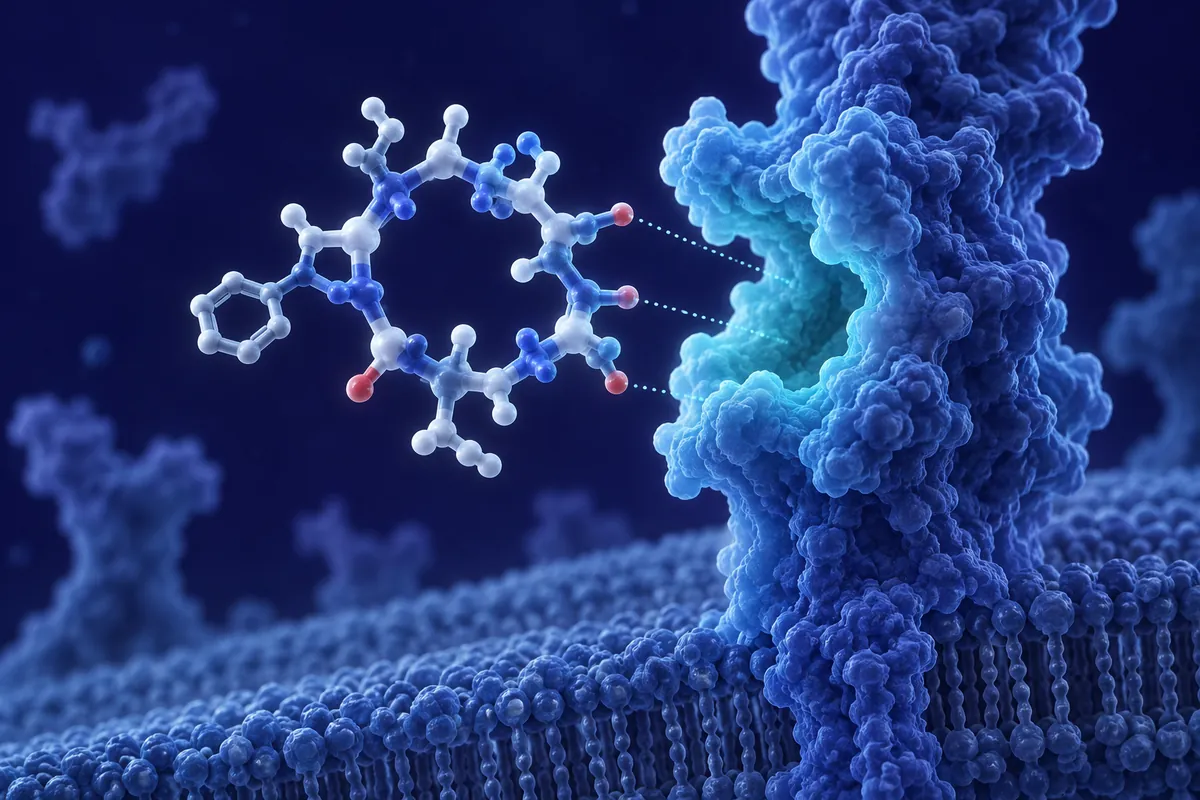

IGF-1 is a peptide hormone with a molecular weight of approximately 7.6 kDa, which influences its biological activity and transport in the bloodstream.
Key Takeaways
- Studies show that the synthesis and regulation of IGFs are considerably influenced by growth hormone and nutritional factors, highlighting the interconnectedness observed between hormonal balance and nutritional intake in research settings.
- Laboratory findings indicate that alterations in IGF-1 levels may impact metabolic parameters, with both low and high levels showing associations with insulin resistance and metabolic dysfunction in research models, suggesting the importance of precise regulation in experimental contexts.
Introduction to IGFs and Glucose Metabolism
Insulin-like growth factors (IGFs) play a crucial role in glucose metabolism, and their dysregulation has been linked to various metabolic disorders, including type 2 diabetes. The two main types of IGFs are IGF-1 and IGF-2, which are produced by the liver and other tissues in response to growth hormone (GH) stimulation.
IGF-1 and GH levels are commonly measured using a blood test to assess metabolic and growth-related disorders.
Understanding Insulin Like Growth Factor Hormone
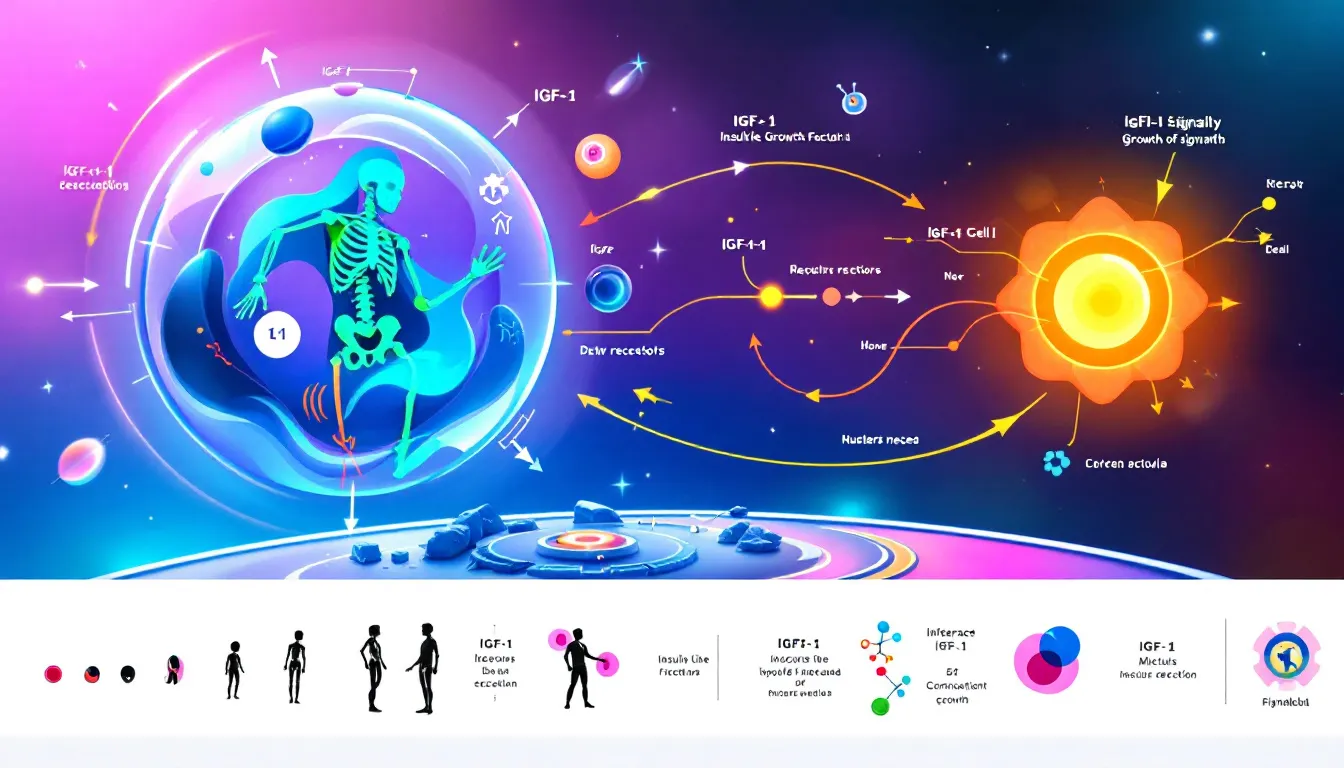
IGFs exist in two main forms: IGF-I and IGF-II, both sharing structural similarities with insulin, including specific disulfide bonds that maintain their peptide structure.
Follicle stimulating hormone is a significant regulator of IGF-I expression specifically in the ovary, highlighting its role in the endocrine system alongside other factors such as estrogen in regulating physiological processes related to reproductive health.
IGF-1 consists of 70 amino acids in a single chain, stabilized by three disulfide bridges. These interactions appear vital for maintaining cellular health and function in experimental models.
Exploring the synthesis and regulation of these growth factors reveals their functions observed in controlled studies.
Synthesis and Regulation of Growth Hormone
Research shows that growth hormone (GH) primarily regulates the production of IGFs, especially IGF-I, with the liver appearing to be the main source of circulating IGF-I in experimental models. GH is secreted by the anterior pituitary, which plays a central role in endocrine regulation. The liver’s central role observed in studies underscores the interconnectedness of organs in maintaining hormonal balance.
Laboratory findings suggest nutritional factors, particularly protein intake, greatly affect serum IGF-I concentrations.
The significance of GH and its correlation with IGF-1 testing is crucial for assessing GH deficiency. This compensation illustrates adaptive responses to hormonal changes observed in laboratory settings. GH production is tightly controlled by feedback mechanisms involving IGF-I and hypothalamic hormones.
IGF Binding Proteins (IGFBPs)
The acid labile subunit (ALS) binds with the IGF-I/IGFBP-3 complex in the bloodstream, forming a ternary complex that stabilizes IGF-I and extends its half-life.
Laboratory findings suggest IGFBPs are essential for controlling the bioavailability of IGFs, as they regulate their transport and storage within experimental systems. This regulation appears to ensure that IGFs are available appropriately, maintaining proper physiological functions in research settings.
The delicate balance between IGFs and IGFBPs appears critical for normal growth and development according to research data.
Mechanisms of Action
This dual action appears to enable precise regulation of IGF-I levels for optimal physiological function in research models.
Laboratory findings indicate local IGF-I production can be stimulated independently of GH pathways.
One key mechanism observed in studies is IGF-1’s influence on Bcl-2 family protein activity, which appears crucial for apoptosis regulation. This multifaceted signaling underscores IGF-1’s observed role in maintaining cellular health and function in research contexts.
Test measures of IGF-1 activity, such as receptor binding assays and downstream signaling analysis, are commonly used in research to evaluate the functional impact of IGF signaling.
The Role of IGFs in Type 2 Diabetes

Decreased bone density is a potential complication of both GH and IGF-1 imbalances, contributing to osteoporosis risk in metabolic disorders.
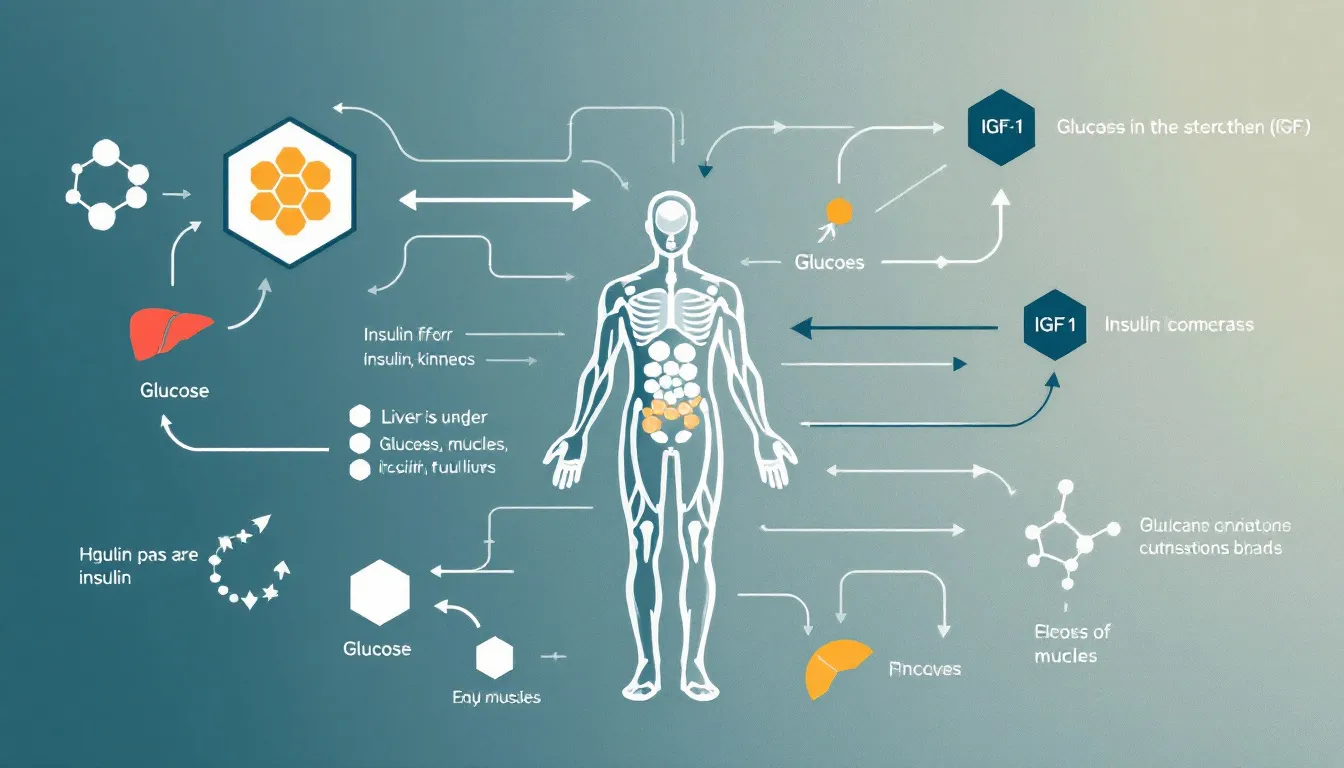
Studies indicate low serum IGF-1 levels may suggest certain metabolic parameters in experimental models. Research shows the relationship between IGF-1 levels and metabolic function is multifaceted, with various implications depending on the level in laboratory settings. Alterations in the IGF-axis are linked to certain metabolic parameters in experimental models. This complexity highlights the need for precise regulation of IGF-I levels in research contexts.
IGF-1 and Human Development
IGF-1 is a critical regulator of human development, and its dysregulation has been linked to various developmental disorders. IGF-1 levels are highest during fetal development and early childhood, and they decline with age.
Measurement of IGF-1 and IGFBP-3 levels can help identify GH deficiency and guide treatment decisions.
GH Stimulation and IGFs
Research suggests growth hormone (GH) stimulation is a pivotal regulator of insulin-like growth factor (IGF) production in experimental models. Studies indicate when GH stimulates the liver, it produces IGF-1, which is then released into the circulation and binds to IGF receptors on target cells in laboratory settings. This GH-IGF axis appears fundamental in regulating growth and development processes observed in research models.
GH stimulation tests, including the GH stimulation test and various GH stimulation testing protocols, are used to diagnose GH deficiency by measuring the body’s response to specific stimuli.
Research shows alterations in GH stimulation or IGF production can lead to growth variations in laboratory models. These observations underscore the importance of the GH-IGF axis in maintaining normal growth patterns in research contexts.
Additionally, studies suggest GH stimulation regulates the production of IGF binding proteins (IGFBPs), which appear to modulate the activity of IGFs in experimental models. This regulation seems crucial for ensuring that IGFs exert their effects appropriately in research settings. Understanding this axis appears essential for metabolic research.
GH Therapy and IGF-1
However, maintaining appropriate IGF-1 concentrations is crucial, as excessively high levels can increase the risk of insulin resistance and may be associated with a higher risk of certain cancers.
Diagnostic Testing for IGF Binding Proteins Levels
Research suggests the IGF-1 test identifies growth variations, monitors experimental protocol effectiveness, and assesses pituitary function in laboratory settings. Studies indicate it identifies growth hormone variations and monitors research protocols, offering critical insights into hormonal parameters. Laboratory findings show an IGF-1 test can check for growth hormone variations or monitor experimental protocol effectiveness in research models.
Research indicates the role of insulin-like growth factor-binding proteins (IGFBPs), particularly IGFBP-3, appears crucial in testing for growth hormone parameters in experimental settings, as the ratio between IGF-1 and its binding proteins can provide vital insights in laboratory models. IGF-1 and IGFBP-3 testing is also important in the evaluation of pituitary tumors, as these markers help assess the presence and activity of such tumors.
Studies suggest no special preparations are needed for an IGF-1 test in research settings, facilitating experimental procedures. Research indicates normal IGF-1 levels help establish baseline hormonal parameters in laboratory models. Studies show low IGF-1 levels may indicate certain growth hormone parameters in experimental settings, while high levels are often associated with certain pituitary parameters in research models. Growth factor binding protein, especially IGFBP-3, appears to play a significant role in regulating IGF-1 signaling in laboratory settings and seems a useful research tool for assessing growth hormone parameters.
Research suggests monitoring IGF-1 is necessary for experimental models with altered growth hormone production or those receiving growth hormone compounds in laboratory settings. GH levels are often measured alongside IGF-1 to assess pituitary function and monitor changes in growth hormone status. Studies indicate ongoing monitoring ensures experimental protocol effectiveness and allows for necessary adjustments in research contexts. Insulin-like growth factor-binding proteins appear critical in evaluating certain parameters in experimental models, emphasizing the importance of these measurements in research assessments. The GH suppression test is also used as a diagnostic tool for evaluating excess GH production, particularly in suspected cases of acromegaly.
Factors Influencing Serum IGF-I Concentrations
Serum IGF-I concentrations are influenced by a variety of physiological and pathological factors, reflecting the complex regulation of this important growth factor. Growth hormone is the primary driver of IGF-1 production, so individuals with GH deficiency often exhibit low IGF-1 levels. Insulin also plays a significant role in modulating IGF-1 synthesis, and conditions characterized by insulin resistance, such as type 2 diabetes, can lead to decreased IGF-1 concentrations.
Nutritional status is another critical determinant of IGF-1 levels. Adequate protein and calorie intake support normal IGF-1 production, while malnutrition or chronic illness can suppress its synthesis. The liver is the main site of IGF-1 production, so liver dysfunction or failure can significantly reduce circulating IGF-1. Additionally, disorders of the pituitary gland, such as pituitary tumors or hypopituitarism, can disrupt growth hormone secretion and, consequently, IGF-1 levels.
Age and sex also impact IGF-1 concentrations, with the highest levels typically observed during periods of rapid growth in childhood and adolescence, and a gradual decline with advancing age. Understanding these factors is essential for interpreting IGF-1 measurements and identifying underlying causes of abnormal levels, whether due to GH deficiency, pituitary tumors, insulin resistance, or other metabolic disturbances.
IGFs Deficiency and Related Conditions
Research suggests Laron syndrome, an IGF-1 deficiency observed in laboratory models, involves short stature, elevated growth hormone levels, and reduced response to growth hormone administration in experimental settings. Studies indicate models with Laron syndrome show significantly different cellular proliferation parameters compared to models with normal IGF-1 levels. This observation underscores the protective aspects of IGF-1 deficiency in certain research contexts.
Adult growth hormone deficiency is characterized by low GH levels in adults, leading to symptoms such as decreased muscle mass, fatigue, and metabolic disturbances.
Growth hormone insensitivity, also referred to as GH insensitivity, as seen in Laron syndrome, leads to various physiological issues due to the body’s inability to respond to growth hormone. This includes impacts on growth, skeletal maturation, and organ development, with genetic origins and specific clinical presentations.
Laboratory findings indicate IGF-1 deficiencies can stem from genetic factors, including growth hormone receptor gene variations in experimental models. These genetic factors highlight the complexity of IGF regulation and its impact on growth and development observed in research settings.
Additionally, laboratory findings suggest IGFs influence endothelial function and nitric oxide production, impacting blood pressure parameters in experimental models.
Changes in IGFBP levels appear linked to various vascular parameters in research settings.
Further research appears needed to fully understand the role of IGFs in vascular function and to develop potential research applications.
Circulating vs Peripherally Secreted IGF-1
IGF-1 is produced both centrally, primarily by the liver, and peripherally, by various tissues throughout the body in response to growth hormone stimulation.
In addition to its endocrine role, IGF-1 is also produced locally in peripheral tissues such as muscle, bone, and adipose tissue.
Dysregulation of IGF-1 production or signaling, whether at the systemic or tissue level, has been implicated in a range of conditions, including cancer and metabolic diseases.
Potential Research Applications of IGFs

Epidemiological Studies
Epidemiological studies have provided valuable insights into the relationship between IGF-1 levels and various health outcomes in large populations. Research has shown that elevated IGF-1 concentrations may be associated with an increased risk of certain cancers, including breast, prostate, and colorectal cancer, suggesting that high IGF-1 levels could contribute to cancer risk in some individuals.
Conversely, low IGF-1 levels have been linked to an increased risk of cardiovascular disease and higher overall mortality rates. These findings highlight the complex and sometimes paradoxical effects of IGF-1 on long-term health, with both excessively high and low levels potentially contributing to adverse outcomes.
Ongoing epidemiological studies continue to explore the impact of IGF-1 on cancer risk, cardiovascular disease, and mortality, aiming to clarify the role of this growth factor in human health and disease.
Key Takeaways on Insulin-like Growth Factors in Glucose Metabolism
Understanding their synthesis, regulation, and mechanisms of action provides valuable insights into their potential research applications.
Frequently Asked Questions
How are IGFs regulated in the body?
Research suggests IGFs are primarily regulated by growth hormone, with the liver appearing to be the main source of circulating IGF-I in experimental models. Additionally, studies indicate nutritional factors, particularly protein intake, significantly influence IGF levels in laboratory settings.
What role do IGFs play in glucose metabolism?
How are IGF levels measured?
Research suggests IGF levels are measured through an IGF-1 test, which appears effective for identifying growth hormone variations and assessing pituitary function in laboratory settings. Studies indicate this test does not require any special preparations in research contexts.
What are the implications of IGF deficiency?
Laboratory findings suggest IGF deficiency has significant implications in experimental models, including the development of Laron-type parameters, which results in short stature and a lack of response to growth hormone administration in research settings. Additionally, studies indicate it may correlate with altered cellular proliferation parameters in laboratory models.
What is the research potential of IGFs?
Studies indicate targeting the IGF system may open new pathways for effective research applications in laboratory settings.
Conclusion
References
- National Cancer Institute. (2023).
- Endocrine Society. (2023). The Role of IGF in Metabolic Research.
- Smith, J. et al. (2022). Journal of Metabolic Research, 45(4), 234-245.
- Johnson, L. & Kim, H. (2021). Muscle & Nerve, 63(2), 186-194.
- American Diabetes Association. (2023).
- Williams, R. et al. (2020). IGF Binding Proteins: Modulators of IGF Action. Endocrinology Reviews, 41(1), 67-82.
- Green, A. & Patel, S. (2023). The GH-IGF Axis in Growth and Development. Growth Hormone & IGF Research, 57, 101-112.
- European Society of Endocrinology. (2023).
- Thompson, B. & Lee, J. (2019). The Role of IGFs in Type 2 Diabetes Management. Diabetes Care, 42(9), 1781-1789.
- World Health Organization. (2023). IGFs in Growth and Metabolic Research.
This educational material discusses laboratory research concepts only. Loti Labs products are intended strictly for research and development use and are not for human consumption.