What Is Cerebrolysin?
Cerebrolysin is not a single peptide. It is a standardized mixture of low-molecular-weight neuropeptides and free amino acids derived from porcine brain tissue through a controlled enzymatic proteolysis process. The final product contains approximately 25% biologically active peptides (molecular weight below 10 kDa) and 75% free amino acids. This composition makes it pharmacologically unique : a multi-component biological rather than a single-target compound.
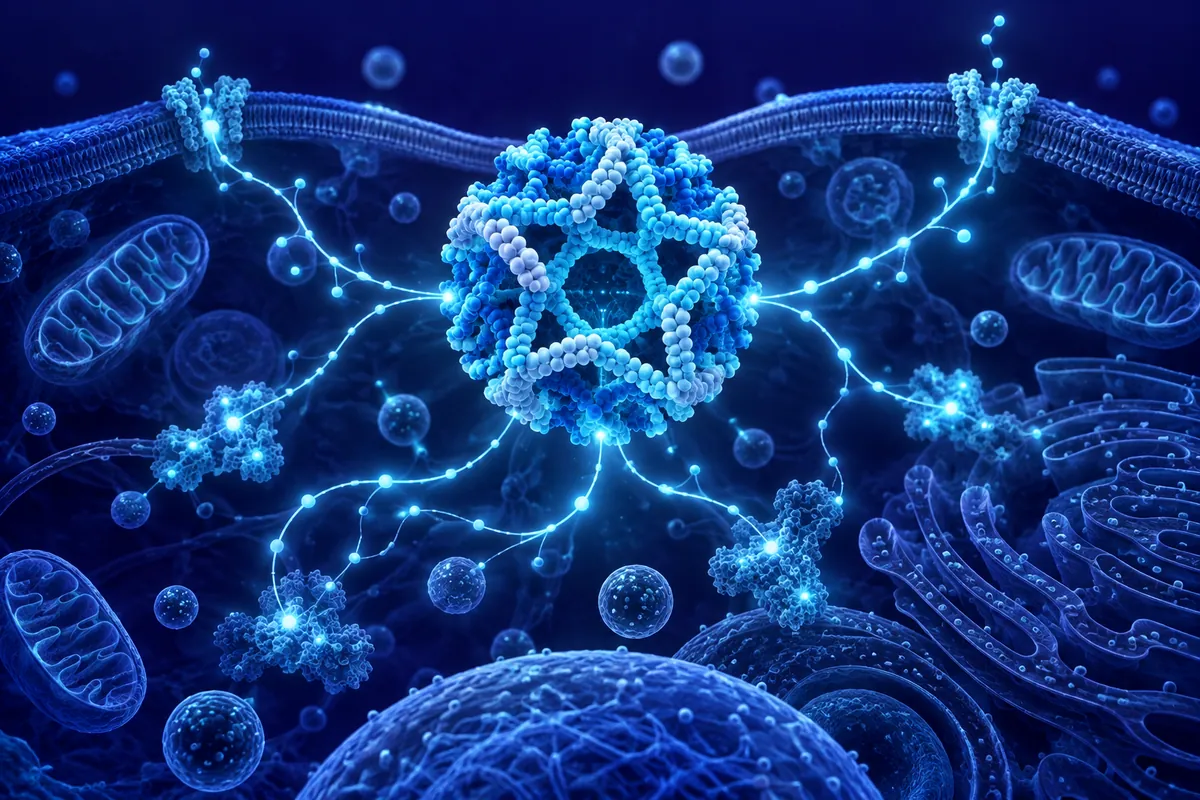
Neurotrophic Factor-Like Activity
The mechanism of action that has generated the most research interest is cerebrolysin’s neurotrophic factor mimicry.
Critically, cerebrolysin’s peptide components are small enough to cross the blood-brain barrier. Cerebrolysin’s low-molecular-weight profile (peptides under 10 kDa) gives it a pharmacokinetic advantage that full-size neurotrophins lack.
Which specific peptide components are responsible for the neurotrophic activity? This remains partially unresolved. Proteomic analysis has identified fragments of tubulin, actin, myelin basic protein, and several uncharacterized sequences. Some evidence suggests the activity is synergistic : the mixture produces effects that individual fractions cannot replicate at equivalent concentrations.
Preclinical Evidence in Neurodegeneration Models
Parkinson’s disease models show parallel findings. In 6-OHDA-lesioned rats, cerebrolysin partially preserves dopaminergic neurons in the substantia nigra and attenuates the rotational asymmetry that reflects nigrostriatal damage.
Stroke and Traumatic Brain Injury Research
The largest body of cerebrolysin preclinical data addresses ischemic stroke.
Post-stroke neuroplasticity is perhaps the most compelling research angle.
Traumatic brain injury (TBI) models show similar trends.
Open Questions and Research Directions
The multi-component nature of cerebrolysin is both its strength and its scientific challenge. Identifying which peptide fractions drive specific effects would enable development of defined, synthetic alternatives with clearer regulatory pathways. Comparative studies against single neurotrophic factors (BDNF, NGF, GDNF) at the behavioral and molecular levels would clarify whether the mixture’s polypharmacology offers genuine advantages over targeted approaches.
Disclaimer: This content is intended for research purposes only and is not meant to constitute medical advice.
This educational material discusses laboratory research concepts only. Loti Labs products are intended strictly for research and development use and are not for human consumption.