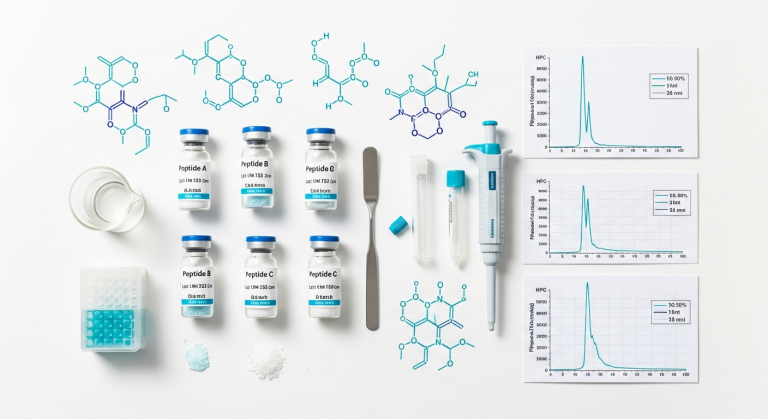
The peptide research supply landscape has shifted dramatically in 2026. Several established suppliers have closed their doors, leaving thousands of researchers scrambling to find new, reliable sources for their laboratory compounds. Whether you’re transitioning from a previous supplier or sourcing peptides for the first time, choosing the right partner is one of the most consequential decisions you’ll make for the quality of your research.
A poor supplier choice doesn’t just waste money : it can compromise months of experimental work, produce irreproducible results, and ultimately set your research program back. This guide walks you through the essential criteria for evaluating a peptide research supplier in today’s market, the red flags that signal trouble, and practical steps for making a confident switch.
Why Supplier Evaluation Matters More Than Ever in 2026
The research peptide industry has undergone significant consolidation and disruption over the past year. Regulatory changes, business closures, and shifting market dynamics have left many researchers without their go-to sources. At the same time, new suppliers have entered the market : some reputable, some far less so.
This environment creates both risk and opportunity. Researchers who take the time to properly evaluate their options will find suppliers that meet or exceed the standards they’re accustomed to. Those who rush into a decision based on price alone often find themselves dealing with purity issues, inconsistent batches, and unreliable service.
The stakes are high. In peptide research, compound quality directly determines experimental validity. A peptide with 85% purity will behave fundamentally differently than one at 99%+ purity, and contamination profiles can introduce confounding variables that are nearly impossible to identify after the fact.
7 Essential Criteria for Evaluating a Peptide Research Supplier
When assessing a potential supplier, these seven criteria should form the foundation of your evaluation. Each one addresses a different aspect of supplier reliability, and together they paint a comprehensive picture of what you can expect.
1. Third-Party Purity Testing and Independent Verification
The single most important factor in evaluating a peptide supplier is whether they conduct : and publish : independent third-party testing on their products. Any supplier can claim high purity; only reputable ones back that claim with verifiable analytical data from external laboratories.
Third-party testing removes the conflict of interest inherent in self-reported purity numbers. When an independent lab verifies compound identity, purity, and the absence of contaminants, researchers gain a level of confidence that in-house testing alone cannot provide.
Look for suppliers who make third-party testing a standard part of their production process : not an optional add-on or something they do only when asked. The best suppliers test every production batch as a matter of course.
2. Certificates of Analysis (COAs) for Every Batch
A Certificate of Analysis is your window into exactly what you’re purchasing. A proper COA should include the compound identity, molecular weight, sequence (for peptides), purity percentage, analytical method used, batch number, and date of analysis.
When evaluating a supplier, request COAs before purchasing. A reputable supplier will provide them readily : in many cases, they’re available directly on the product page or upon request. If a supplier is reluctant to share COAs or provides vague, incomplete documentation, that’s a significant red flag.
Pay attention to the specifics. A COA that simply states “purity: >98%” without showing the actual chromatogram, analytical method, or testing laboratory provides little real assurance. The best COAs include raw analytical data that an experienced researcher can independently interpret.
3. Analytical Methods: HPLC and Mass Spectrometry Standards
The analytical methods used to verify peptide quality matter enormously. High-Performance Liquid Chromatography (HPLC) is the gold standard for purity determination, and Mass Spectrometry (MS) confirms molecular identity. Suppliers who routinely employ both methods demonstrate a serious commitment to quality control.
HPLC analysis separates a peptide sample into its components, revealing the proportion of the target compound versus impurities, degradation products, and synthesis byproducts. The resulting chromatogram provides a visual and quantitative assessment of purity that is widely accepted across the research community.
Mass spectrometry complements HPLC by confirming that the compound has the correct molecular weight : an essential verification step that catches errors in peptide sequence or chemical modification. Together, HPLC and MS provide a comprehensive quality profile that researchers can trust.
Ask potential suppliers specifically about their analytical protocols. Do they perform HPLC on every batch? Is MS confirmation standard or available on request? What column types and gradient conditions do they use? Suppliers who can answer these questions in detail are the ones investing in genuine quality control.
4. Synthesis Origin and Manufacturing Standards
Where and how peptides are synthesized has a direct impact on quality. Domestically synthesized compounds : particularly those produced in the United States : are generally subject to higher manufacturing standards, better quality control infrastructure, and more consistent production practices than those sourced from overseas contract manufacturers.
This isn’t to say that every domestic supplier is superior or every international one is inferior. However, USA-based synthesis provides several practical advantages: shorter supply chains (reducing degradation risk during transit), easier communication with the production team, and greater accountability under domestic commercial standards.
When evaluating a supplier, ask where their compounds are synthesized. A transparent supplier will be forthcoming about their manufacturing origins. Those who are evasive on this point may be reselling compounds from unknown or inconsistent sources.
5. Shipping, Handling, and Storage Protocols
Peptides are sensitive molecules. Improper handling during shipping can degrade compounds before they ever reach your laboratory. Evaluate suppliers on their shipping standards: Do they use appropriate packaging? Do they offer expedited shipping options to minimize transit time? Do they ship with cold packs or temperature-controlled containers for sensitive compounds?
Same-day shipping capabilities are a meaningful differentiator. A supplier that processes and ships orders the same day (particularly for orders placed before a reasonable cutoff time) demonstrates operational efficiency and respect for the time-sensitive nature of research work.
Also consider the supplier’s storage practices before shipping. Peptides should be stored under appropriate conditions (typically cool, dry, and protected from light) from the moment they’re synthesized until they leave the facility. Ask about storage conditions if this information isn’t publicly available.
6. Customer Reviews, Reputation, and Track Record
A supplier’s reputation within the research community is one of the most reliable indicators of what you can expect. Look for reviews and testimonials from other researchers : not just on the supplier’s own website, but on independent forums, review platforms, and community discussions.
Pay attention to the specifics in reviews. Generic praise (“great products!”) tells you less than detailed accounts of purity consistency, customer service responsiveness, shipping speed, and how the supplier handles issues when they arise. Every supplier will occasionally have a problem; what matters is how they resolve it.
Longevity also matters. A supplier that has been operating for several years and maintains a positive reputation has demonstrated the ability to consistently deliver quality over time. New entrants aren’t automatically suspect, but they lack the track record that provides additional confidence.
7. Transparency and Communication
How a supplier communicates tells you a great deal about how they operate. Transparent suppliers make their testing data, product information, pricing, and policies readily accessible. They respond to inquiries promptly and provide clear, direct answers rather than vague assurances.
Evaluate how easy it is to find critical information on a supplier’s website. Can you access COAs, product specifications, and shipping policies without jumping through hoops? Is pricing straightforward, or are there hidden fees? Is there a clear way to contact customer support, and do they actually respond in a reasonable timeframe?
Transparency extends to how a supplier handles compliance. Reputable peptide research suppliers are clear that their products are intended for laboratory research use only and maintain appropriate documentation and disclaimers. This isn’t just a legal formality : it reflects a supplier’s commitment to operating within proper guidelines.
Red Flags: Warning Signs of an Unreliable Supplier
Knowing what to look for is only half the equation. You also need to recognize the warning signs that should steer you away from a supplier, regardless of how attractive their pricing may be.
No Independent Testing or COAs
If a supplier cannot or will not provide Certificates of Analysis backed by independent testing, walk away. This is the single biggest red flag in the industry. Claims of “99% purity” without supporting analytical data are meaningless.
Prices That Seem Too Good to Be True
Peptide synthesis, purification, and testing are expensive processes. If a supplier’s prices are dramatically lower than the market average, it usually means they’re cutting corners somewhere : whether in synthesis quality, purification steps, or testing protocols. Saving money on compounds that compromise your research is no savings at all.
Vague or Missing Product Information
If a product listing reads more like marketing copy than a technical specification, proceed with caution.
Poor Communication or Slow Response Times
If a supplier is difficult to reach before you’ve made a purchase, the situation rarely improves afterward. Test their responsiveness by asking a technical question before ordering. The speed and quality of their response is a reliable preview of your future customer experience.
No Physical Address or Business Verification
Legitimate suppliers operate from verifiable business locations. If you can’t find a physical address, business registration, or any evidence of a real operation behind the website, treat that as a serious concern.
Making the Switch: A Practical Approach
If you’re transitioning from a previous supplier, a systematic approach will minimize disruption to your research. Here’s a practical framework:
Start with a test order. Before committing to a large purchase, place a small order to evaluate the full experience : from ordering through delivery, including compound quality. Test the product in your lab before scaling up.
Request COAs upfront. Before ordering, ask for Certificates of Analysis for the specific products you’re considering. Review them carefully, looking for the details outlined earlier in this guide.
Compare across multiple parameters. Don’t evaluate on price alone. Create a simple scorecard covering purity, testing standards, shipping speed, customer service, and transparency. The cheapest option is rarely the best value.
Check community feedback. Search for the supplier’s name in research forums and review sites. Other researchers’ experiences : particularly recent ones : are invaluable data points.
Verify consistency over time. Once you’ve found a supplier that meets your standards, monitor quality across multiple orders. Consistency is as important as initial quality : a supplier that delivers 99% purity on one batch and 92% on the next is not a reliable partner.
What Sets Loti Labs Apart
At Loti Labs, we built our operation around the principles outlined in this guide : not as marketing talking points, but as the foundation of how we work every day.
Every batch is independently tested. Third-party laboratory analysis using HPLC and Mass Spectrometry is standard for every production run. We don’t test selectively or on request : every batch gets the same rigorous analytical treatment, and COAs are available for every product.
USA-synthesized compounds. Our peptides and research compounds are synthesized domestically, giving us direct oversight of the manufacturing process and ensuring compliance with the highest production standards.
Purity above 99%. Our analytical standards consistently deliver compounds at 99%+ purity, minimizing the contamination and degradation concerns that can compromise research integrity.
Same-day shipping. Orders placed before 1:00 PM EST ship the same day. We understand that research operates on timelines, and delays in compound delivery can cascade into weeks of lost productivity.
Trusted since 2019. We’ve been serving the research community for over seven years, building a track record of consistency, transparency, and quality that thousands of researchers rely on.
If you’re evaluating suppliers or transitioning from a previous source, we invite you to explore our catalog, review our COAs, and place a test order. We’re confident the quality will speak for itself.
Frequently Asked Questions
How do I verify a peptide supplier’s testing claims?
Request Certificates of Analysis (COAs) before purchasing and review them for specific details: the analytical method used (HPLC, MS), the testing laboratory, batch number, date of analysis, and actual purity percentage. Reputable suppliers provide this information readily. You can also verify by requesting COAs for multiple products or batches to check for consistency.
What purity level should I look for in research peptides?
For most research applications, peptide purity of 98% or higher is the standard expectation. However, some experimental protocols : particularly those involving in vitro assays or sensitive analytical techniques : may require 99%+ purity. Always match the purity specification to the requirements of your specific research application.
Does where a peptide is manufactured matter?
Yes. Manufacturing origin affects quality control standards, supply chain reliability, and shipping logistics. Domestically manufactured compounds (particularly in the USA) generally offer shorter transit times, better production oversight, and greater consistency. However, the most important factor remains the quality data : regardless of origin, always verify purity through independent COAs.
How can I evaluate a supplier if I’ve never ordered from them before?
Start with these steps: (1) Review their website for transparency : are COAs, product specs, and policies easy to find? (2) Ask for COAs before ordering. (3) Check independent reviews and research community forums. (4) Contact customer support with a question and evaluate their responsiveness. (5) Place a small test order before committing to larger purchases.
What should I do if I receive a product that doesn’t meet the stated specifications?
Contact the supplier immediately with specific details about the discrepancy. A reputable supplier will have a clear process for handling quality concerns : typically involving a replacement, refund, or re-testing of the batch in question. How a supplier handles problems is often more revealing than how they handle smooth transactions.
Are there industry certifications I should look for in a peptide supplier?
While there is no single universal certification for peptide research suppliers, look for evidence of Good Manufacturing Practice (GMP) adherence, ISO compliance, or equivalent quality management systems. More practically, third-party testing by accredited laboratories provides concrete quality verification that’s often more meaningful than general certifications.
Conclusion
Choosing a peptide research supplier is not a decision to make lightly : especially in a market that’s experienced as much change as 2026 has brought. The criteria outlined in this guide : independent testing, comprehensive COAs, analytical rigor, domestic synthesis, reliable shipping, proven reputation, and transparent communication : provide a framework for making that decision with confidence.
The researchers who invest time in proper supplier evaluation protect not just their budgets, but the integrity of their work. In an industry where compound quality directly determines experimental validity, settling for anything less than a thoroughly vetted supplier is a risk no serious research program should take.
This educational material discusses laboratory research concepts only. Loti Labs products are intended strictly for research and development use and are not for human consumption.