Amylin: The Forgotten Pancreatic Peptide
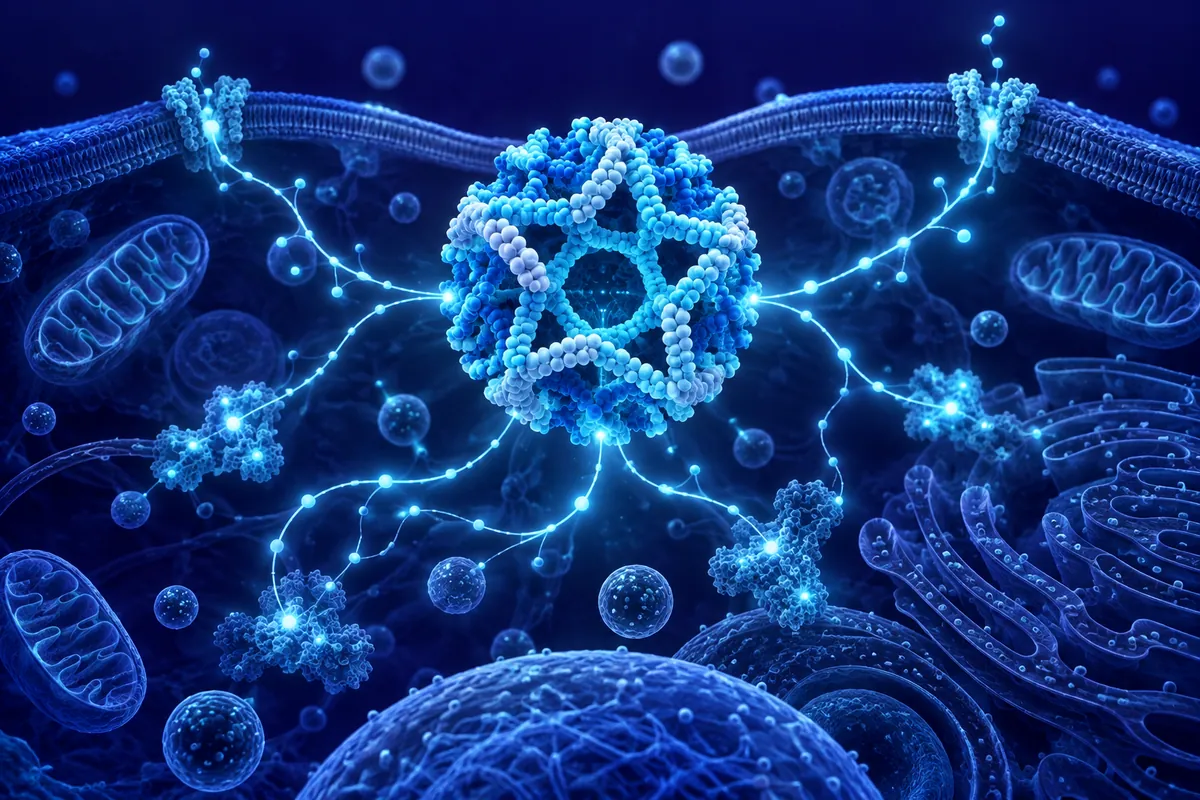
Insulin has dominated diabetes research for over a century. But it does not act alone. Amylin (islet amyloid polypeptide, IAPP) is a 37-amino-acid peptide co-secreted with insulin from pancreatic beta cells in response to nutrient intake. Every time beta cells release insulin, they simultaneously release amylin in an approximately 100:1 insulin-to-amylin ratio. Yet amylin’s biology remained largely unexplored until the 1980s, when Westermark and Cooper independently identified it as the primary component of islet amyloid deposits in type 2 diabetes.
That discovery framed amylin in a pathological light : a peptide that misfolds, aggregates, and destroys the very cells that produce it. But amylin’s normal physiology tells a different story.
Glucagon suppression.
Gastric emptying deceleration. Amylin slows the rate at which food exits the stomach and enters the small intestine.
Pramlintide: Engineering a Stable Amylin Analog
Human amylin has a notorious propensity to aggregate. The amino acid sequence at positions 20-29 : particularly the Ala-Ile-Leu-Ser-Ser motif : forms β-sheet structures that nucleate amyloid fibril formation. This aggregation tendency made native human amylin unsuitable as a pharmaceutical agent; solutions of human amylin precipitate within hours.
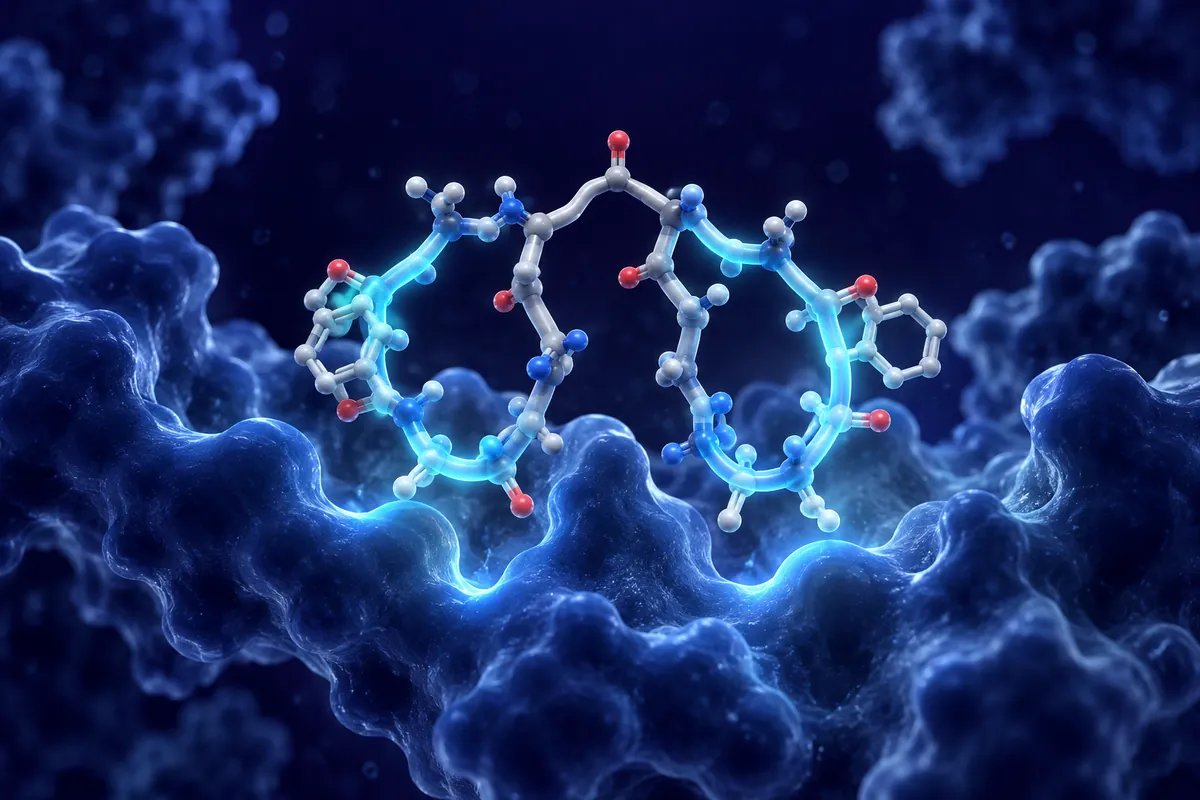
Pramlintide was designed by incorporating three proline substitutions (at positions 25, 28, and 29) modeled after rat amylin, which does not aggregate or form amyloid. Prolines are β-sheet breakers : their cyclic side chain introduces a kink in the peptide backbone that prevents the extended β-strand conformation required for fibril nucleation. The result is a stable, soluble analog that retains full amylin receptor agonist activity.
The Amylin Receptor: A Calcitonin Receptor-RAMP Complex
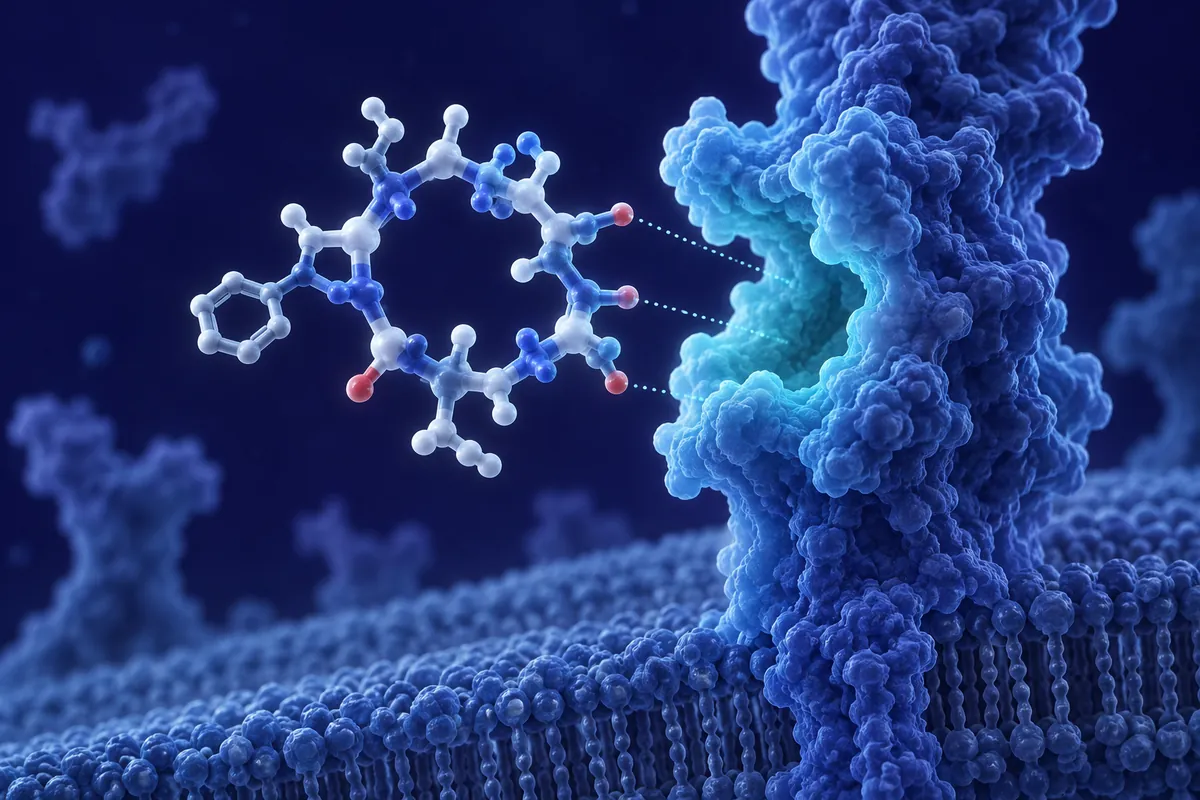
Amylin signals through a receptor system with a familiar architecture. The amylin receptor is a heterodimer of the calcitonin receptor (CTR) and receptor activity-modifying proteins (RAMPs). CTR alone binds calcitonin. But when CTR heterodimerizes with RAMP1, RAMP2, or RAMP3, it forms AMY1, AMY2, or AMY3 receptors, respectively, each with high amylin affinity. This is the same RAMP system that creates the CGRP receptor (CLR + RAMP1) : an elegant example of RAMP-dependent receptor diversification from a limited set of GPCRs.
AMY receptor subtypes show distinct tissue distributions and signaling profiles. AMY1 (CTR + RAMP1) predominates in the brain. AMY3 (CTR + RAMP3) is enriched in the kidney.
Amylin in Obesity Research: The Cagrilintide Connection
Cagrilintide, a long-acting amylin analog developed by Novo Nordisk, has a half-life of approximately 160 hours, enabling once-weekly subcutaneous administration.
Does chronic amylin agonism produce tachyphylaxis? : are now commercially relevant and attracting significant research investment.
Amylin Aggregation and Islet Biology
The pathological side of amylin remains an active research field. Islet amyloid deposits are found in over 90% of type 2 diabetes cases at autopsy, and amylin oligomer toxicity is implicated in progressive beta cell loss. The toxic species are not the mature fibrils but rather small oligomeric intermediates that permeabilize cell membranes : a mechanism paralleling amyloid-β toxicity in Alzheimer’s disease. Understanding the structural biology of amylin misfolding continues to inform both diabetes pathology and the broader field of protein aggregation diseases.
Disclaimer: This content is intended for research purposes only and is not meant to constitute medical advice.
This educational material discusses laboratory research concepts only. Loti Labs products are intended strictly for research and development use and are not for human consumption.