Introduction: The Centrality of NAD+ in Cellular Research
Nicotinamide adenine dinucleotide (NAD+) is the invisible engine of the cell. As a fundamental coenzyme, it functions as a critical electron carrier in redox reactions and a mandatory substrate for signaling enzymes that dictate cell fate. Yet, this engine eventually sputters. Laboratory observations consistently reveal a progressive decline in systemic NAD+ levels across diverse models, from simple yeast to complex rodents. This depletion mirrors the classic hallmarks of aging: mitochondrial decay, genomic instability, and metabolic attrition.
Directly supplementing NAD+ is largely ineffective; the molecule is simply too bulky to penetrate most cell membranes efficiently. Consequently, the scientific spotlight has shifted toward its precursors: Nicotinamide Mononucleotide (NMN) and Nicotinamide Riboside (NR). These intermediates serve as the essential building blocks for biosynthesis. But how do these molecules actually enter the cell? Understanding the distinct mechanisms by which these precursors are transported and converted is now a primary objective in contemporary longevity science.
Biosynthesis Pathways: The Architecture of NAD+ Production
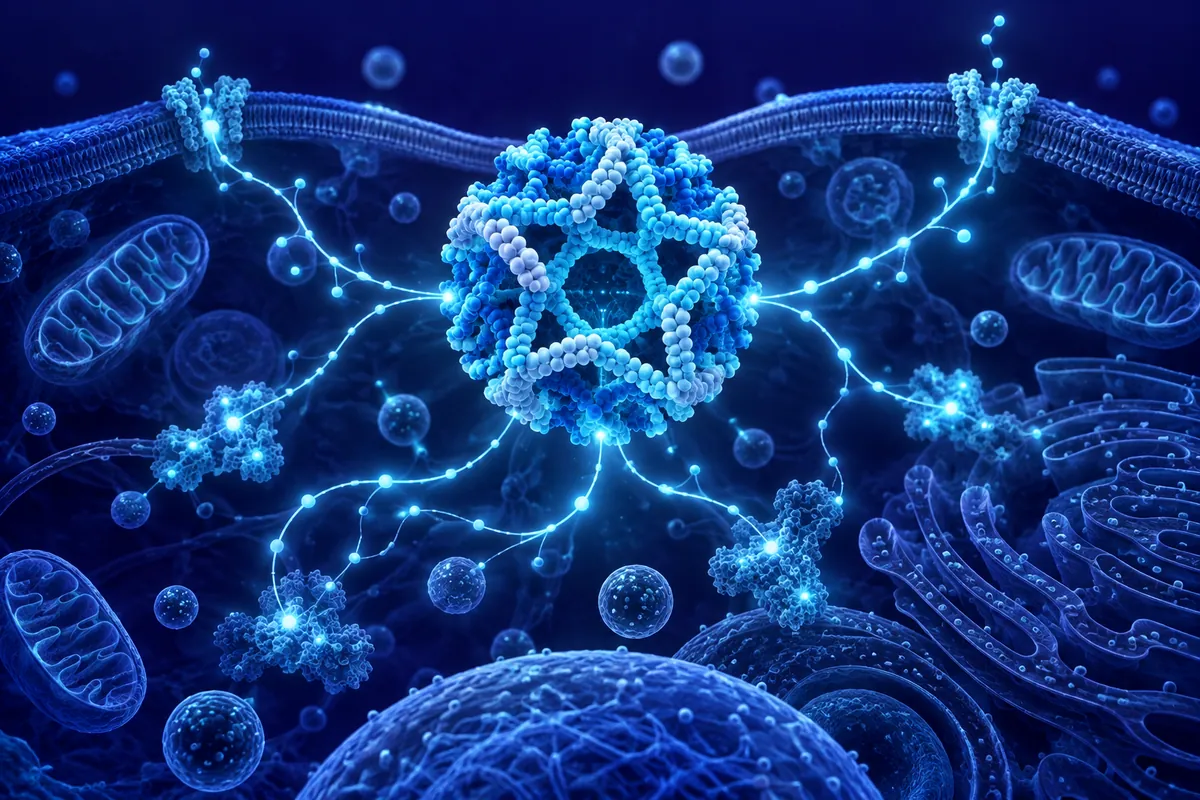
NAD+ production is not a singular event. Instead, it is a sophisticated interplay of three distinct biochemical routes: the Salvage Pathway, the Preiss-Handler Pathway, and De Novo Synthesis.
The Salvage Pathway acts as the cell’s primary recycling center. It is governed by the rate-limiting enzyme nicotinamide phosphoribosyltransferase (NAMPT), which converts nicotinamide (NAM) into NMN. From there, NMNAT enzymes finalize the conversion into NAD+. In contrast, the Preiss-Handler Pathway utilizes nicotinic acid (NA) via the enzyme NAPRT. Finally, the De Novo pathway begins with L-tryptophan, though it is often too sluggish to maintain high-level NAD+ pools on its own. Why does the cell prioritize the salvage of NMN and NR over creating NAD+ from scratch?
NMN (Nicotinamide Mononucleotide): Transport and Tissue Distribution
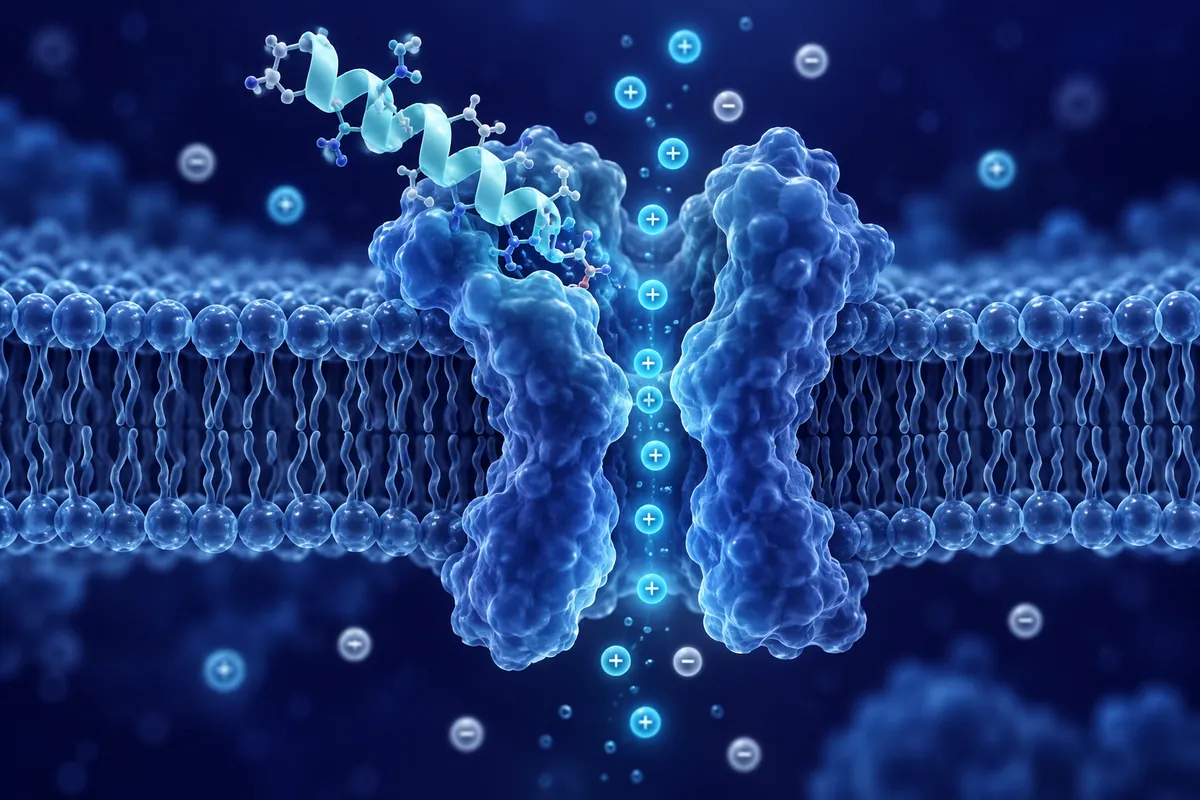
NMN is a phosphorylated derivative of NR and a direct precursor to NAD+. A pivotal shift in this field occurred in 2019. Researchers identified the Slc12a8 transporter, a discovery that challenged long-held assumptions about NMN uptake.
The Slc12a8 gene provides a dedicated “express lane” for NMN in the small intestine. Before this discovery, many hypothesized that NMN had to be stripped of its phosphate group and converted to NR before entering the cell. This specific transporter suggests that certain tissues possess specialized machinery to prioritize NMN.
NR (Nicotinamide Riboside): CD73 Conversion and Mitochondrial Findings
Nicotinamide Riboside (NR) offers a different tactical advantage. Lacking a phosphate group, NR typically crosses cell membranes with ease via equilibrative nucleoside transporters (ENTs). However, the extracellular environment is rarely simple.
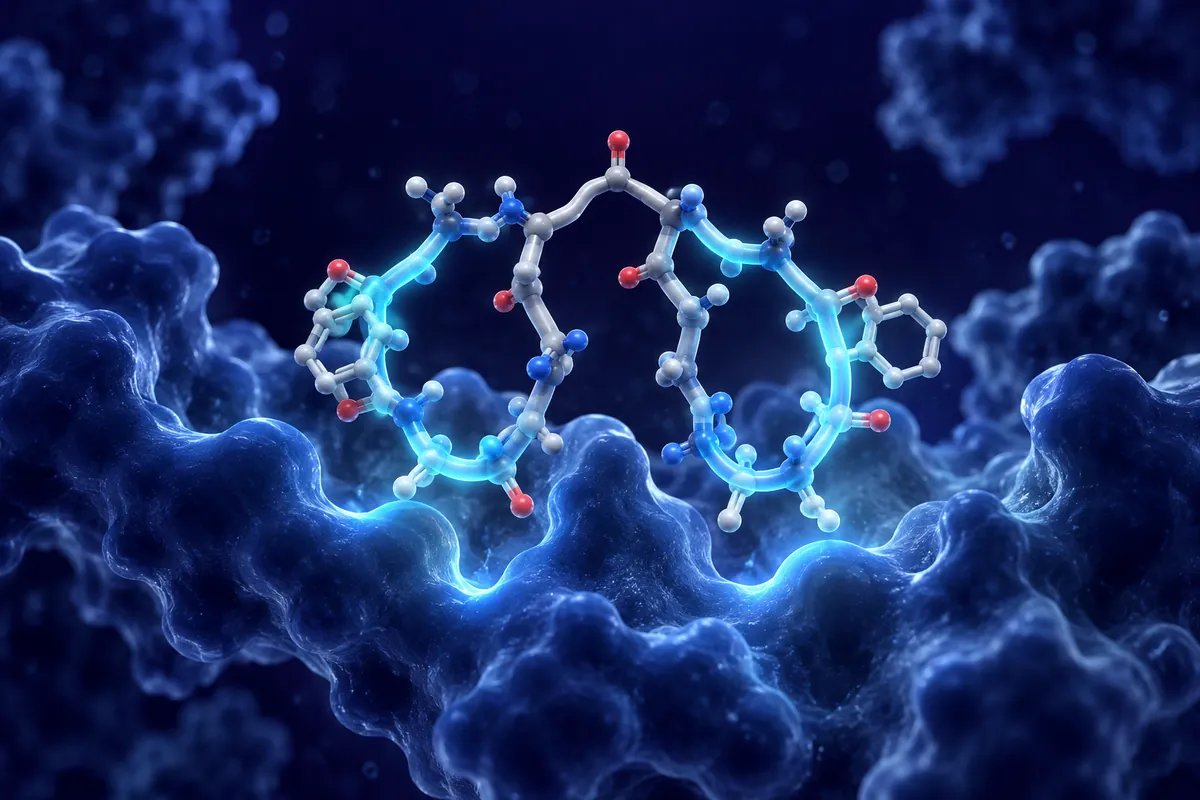
Evidence suggests that NMN is often converted into NR by the ecto-enzyme CD73 (an ecto-5’-nucleotidase) before it can enter the cell. Once inside, nicotinamide riboside kinases (NRK1 and NRK2) re-phosphorylate it back into NMN. Researchers are now left to wonder: which precursor holds the edge for specific tissue types or unique metabolic conditions?
SIRT1/SIRT3 Activation: The Sirtuin-NAD+ Axis
The drive to elevate NAD+ is largely fueled by the sirtuin family:NAD+-dependent protein deacetylases. SIRT1 (nuclear) and SIRT3 (mitochondrial) act as the cell’s quality control officers.
But there is a catch. Sirtuins must compete for a finite pool of NAD+ against “energy vampires” like PARP-1 (Poly [ADP-ribose] polymerase 1). When DNA damage is rampant, PARP-1 can exhaust cellular NAD+ supplies, leaving sirtuins sidelined.
Can NAD+ precursors actually influence the biological clock? The results in complex murine models are equally provocative.
These “aged” models allow scientists to test if restoring NAD+ to youthful levels can actually reverse markers of physiological decay. What drives this selectivity at the receptor level across different species?
Research Considerations: Stability and Storage
Precision matters in the lab. For researchers, the stability of these precursors is a constant variable. NMN and NR are not created equal when it comes to shelf life. NMN is generally more resilient in aqueous solutions at room temperature. NR, however, is notoriously sensitive to moisture and heat. It often requires storage at -80°C to prevent it from degrading into plain nicotinamide.
Purity is the other silent hurdle. Residual solvents or degradation products can easily ruin sensitive cell culture models. Furthermore, one must account for “first-pass” metabolism; the liver often sequesters these precursors, significantly altering how they are distributed throughout the body.
Conclusion
The study of NMN and NR is the new frontier of geroscience. While their pathways overlap, the distinct transport systems of NMN and NR offer a diverse toolkit for investigating the biology of aging. Continued preclinical exploration is the only way to fully understand how these molecules maintain the delicate balance of biological homeostasis.
Disclaimer: This content is intended for research purposes only and is not meant to constitute medical advice.
This educational material discusses laboratory research concepts only. Loti Labs products are intended strictly for research and development use and are not for human consumption.