What Are Matrikines?
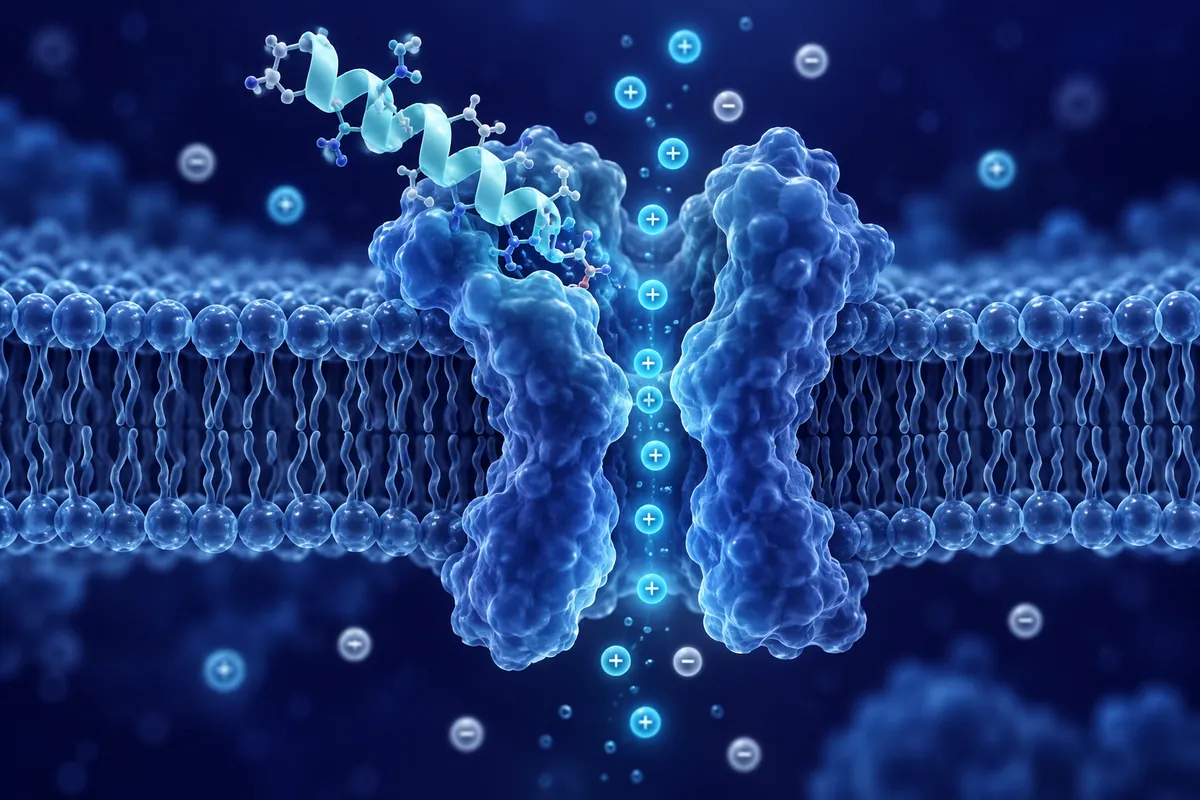
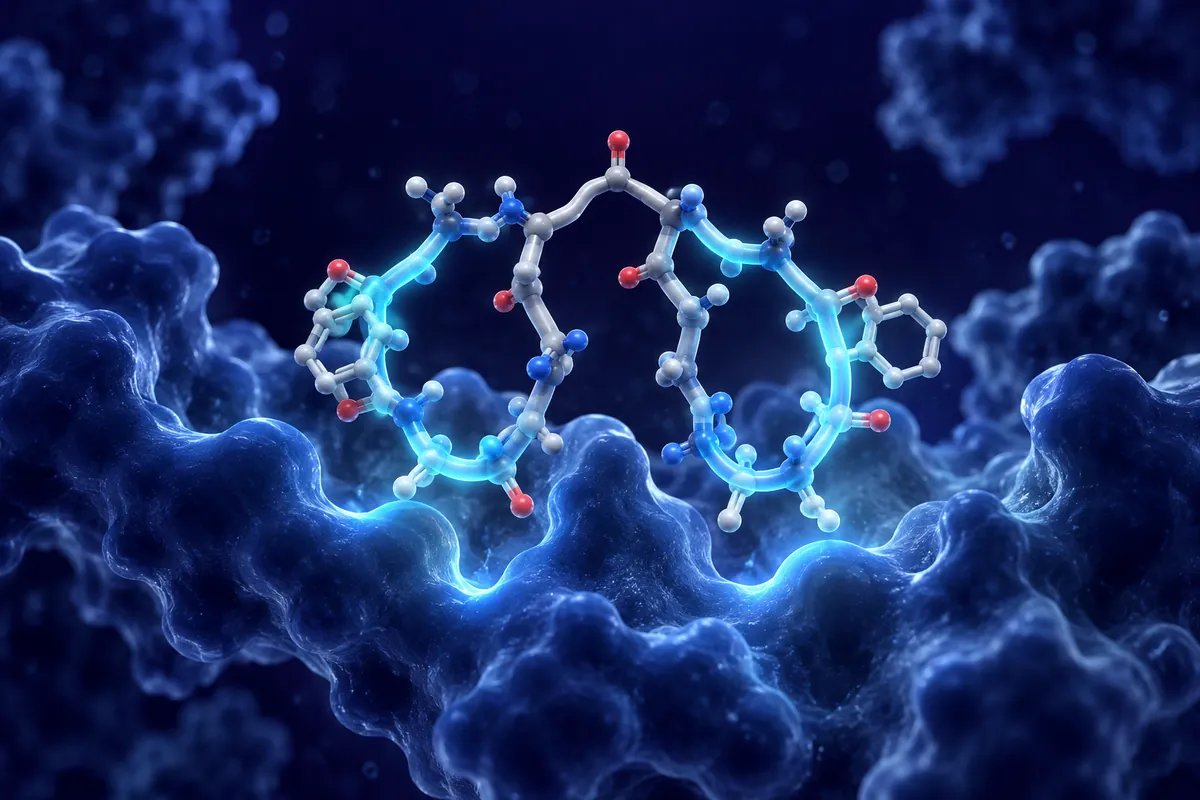
Matrikines are bioactive peptide fragments generated by enzymatic degradation of extracellular matrix (ECM) proteins. They are not synthesized as independent gene products. Instead, they are liberated when matrix metalloproteinases (MMPs), elastases, or other proteases cleave structural proteins like collagen, elastin, fibronectin, and laminin during tissue remodeling, wound repair, or pathological destruction.
The concept was formalized by François-Xavier Maquart and colleagues in the late 1990s at the University of Reims. They recognized that certain proteolytic fragments of ECM proteins were not merely degradation debris : they possessed distinct biological activities that regulated the very cells responsible for ECM homeostasis. Fibroblasts, endothelial cells, inflammatory cells : all responded to matrikines through specific receptor-mediated signaling.
GHK: The Prototype Matrikine
The tripeptide glycyl-L-histidyl-L-lysine (GHK) is the most extensively studied matrikine and the one that connects the matrikine concept to mainstream peptide research.
When complexed with copper (GHK-Cu), the peptide gains additional activities related to copper-dependent enzyme activation, including superoxide dismutase and lysyl oxidase.
Elastin-Derived Matrikines: The VGVAPG Hexapeptide
Elastin degradation generates a distinct set of matrikines, the most studied being the hexapeptide VGVAPG (Val-Gly-Val-Ala-Pro-Gly). This sequence repeats throughout tropoelastin and is exposed when elastases cleave mature elastic fibers. VGVAPG signals through the elastin-binding protein (EBP) : the enzymatically inactive S-galactosidase that forms part of the elastin receptor complex on cell surfaces.
VGVAPG’s biological effects are context-dependent and sometimes paradoxical. In macrophages and smooth muscle cells, it stimulates MMP production, potentially amplifying elastin degradation in a positive feedback loop. In tumor models, elastin-derived peptides promote angiogenesis and tumor cell migration, suggesting a role in cancer progression that reflects the dark side of matrikine biology.
Collagen-Derived Matrikines Beyond GHK
Collagen degradation generates numerous bioactive fragments beyond GHK.
This built-in negative feedback loop may represent an evolutionary mechanism for preventing uncontrolled vascularization.
Fibronectin and Laminin Fragments
The EDA matrikine is particularly relevant in fibrosis research : its sustained presence in fibrotic tissues may perpetuate the inflammatory-fibrotic cycle.
YIGSR, a laminin beta-1 chain pentapeptide, inhibits tumor metastasis in experimental models by competing with intact laminin for binding to the 67 kDa laminin receptor on cancer cell surfaces.
Rather than using entire ECM proteins as scaffold materials, researchers can incorporate specific matrikine sequences into synthetic biomaterials to guide cellular behavior. RGD-containing sequences (from fibronectin) improve cell adhesion to synthetic surfaces.
Disclaimer: This content is intended for research purposes only and is not meant to constitute medical advice.
This educational material discusses laboratory research concepts only. Loti Labs products are intended strictly for research and development use and are not for human consumption.