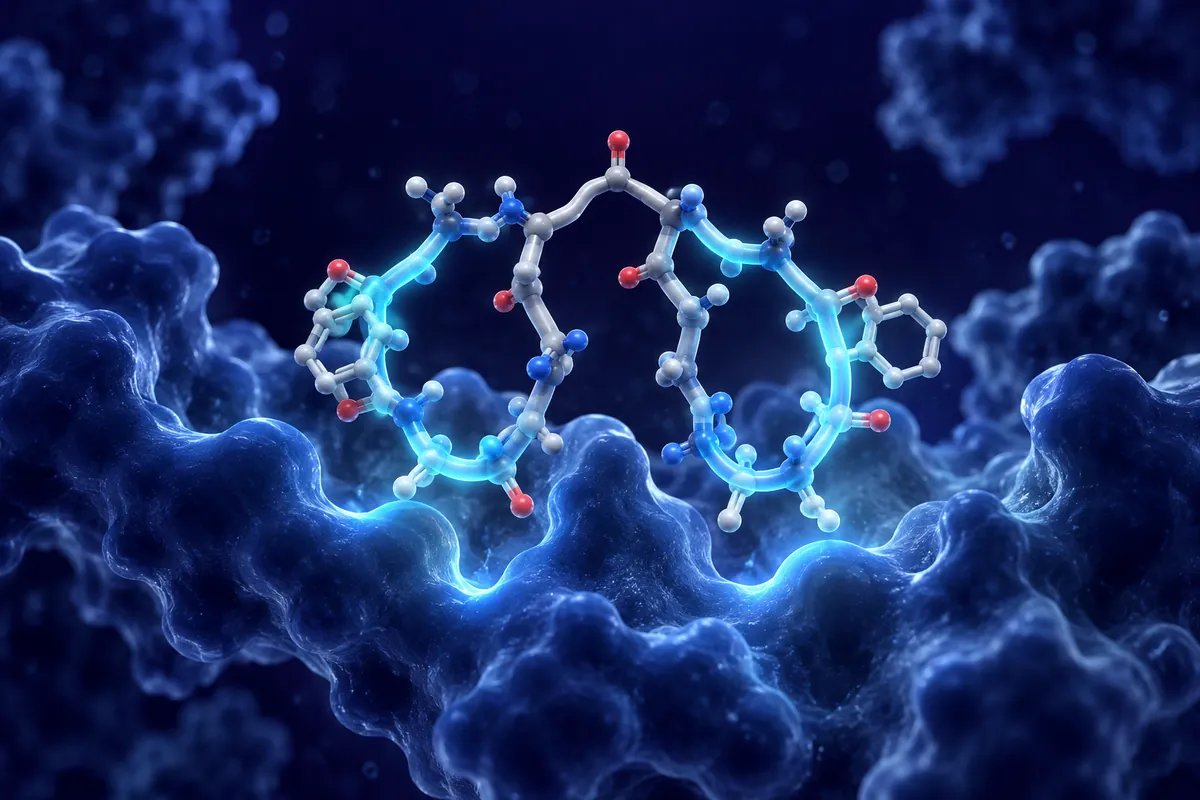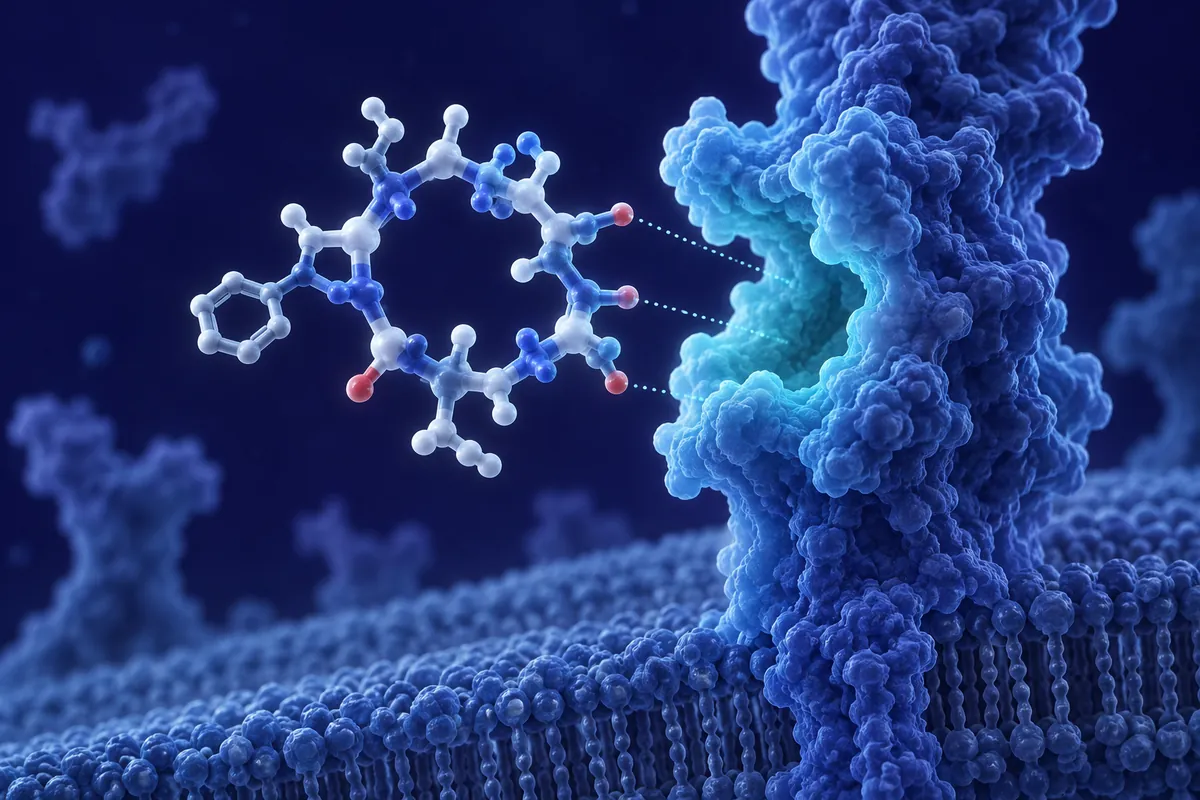
Synthetic bioregulatory peptide research has many amazing mechanisms of cell interaction and one of them is a molecule called Prostamax used in laboratory research.
Ongoing research on peptide-cellular function relationship highlights Prostamax as a great tool for laboratory studies on DNA expression modulation and chromatin architecture shift.
Prostate Studies and Men’s Health
Prostate research is the foundation of men’s health and physiological understanding. Research on seminal fluid production, fertility and prostate cellular function shows a big role for the male anatomy.
What is Prostamax Peptide?
Prostamax peptide is an artificially designed Khavinson peptide that acts as a biologic regulator in the prostate gland.
For proactive men, Prostamax peptide is a scientifically proven way to maintain prostate and urinary function, respond to cellular changes associated with prostate problems.
Molecular Composition and Ingredients
Prostamax is a synthetic Khavinson peptide with the amino acid sequence Lys-Glu-Asp-Pro (KEDP). It has a molecular formula of C20H33N5O9 and a molecular weight of approximately 487.5 g/mol. Laboratory research is focused on its interaction with prostate cells and related mechanisms.
- Saw Palmetto berry extract
- Plant sterol complex from Pygeum africanum bark
- Beta sitosterol
- Stinging Nettle leaf extract
- Vitamins and minerals for basic research applications
Some research products may contain inert ingredients like magnesium stearate, stearic acid, L-glutamic acid, soybean derivatives, vegetable glazing coatings and glycerin.
DNA and Chromatin Studies
Scientific literature suggests that Prostamax influences DNA condensation patterns by decondensing heterochromatin in cellular aggregates.
Cell Senescence Studies
Traditional Therapy vs Peptide Research
Traditional prostate therapies include medication, surgery and lifestyle modifications which may have adverse effects or limited efficacy for prostate dysfunction.
Laboratory and Equipment
Prostamax research uses advanced laboratory equipment such as high resolution microscopes, spectrophotometers, PCR machines, pipettes, centrifuges and incubators to study prostate cells and biochemical reactions accurately.
Evidence from Research and Lab Results
Animal Model Studies
Preclinical studies in rats show Prostamax’s mechanisms.
Cellular Research Applications
Chronic inflammation plays a key role in prostate enlargement and chronic prostatitis.
Data Analysis and Interpretation
Advanced statistical software is used to analyze experimental data from rat models of chronic prostate inflammation. Key parameters include protein expression, DNA condensation and lymphocyte infiltration.
Immune System Research
Regulatory Approach and Compliance
Prostamax research follows strict regulatory guidelines to ensure safety, efficacy and ethical conduct. FDA guidelines govern laboratory procedures, clinical trial design and product commercialization.
Collaborations and Information Exchanges
Prostamax research benefits from interdisciplinary collaboration among biologists, chemists and medical professionals. Knowledge sharing through scientific publications, conferences and online platforms accelerates research progress and application development.
International Studies and Publication
Prostamax research is conducted in multiple countries including the Russian Federation, the origin of Khavinson peptide research.
Research findings are published in peer reviewed journals and disseminated through scientific and public channels, supporting evidence based practice and awareness.
Prostamax: Research Comparison with Other Prostate Health Compounds
| Feature | Prostamax (KEDP) | Saw Palmetto Extract | Pygeum Africanum | Libidon Peptide |
|---|---|---|---|---|
| Type | Synthetic Khavinson Tetrapeptide | Botanical Extract | Botanical Extract | Natural Khavinson Peptide (animal-derived) |
| Primary Mechanism | ||||
| Key Research Areas | BPH symptoms, urinary flow, hormonal balance | BPH symptoms, urinary comfort | BPH, chronic prostatitis, fertility research | |
| Molecular Specificity | High; Lys-Glu-Asp-Pro (KEDP) sequence with specific cellular and DNA interactions | Broad-spectrum plant compounds | Broad-spectrum phytosterols | |
| Research Context | Laboratory settings (in vitro, animal models), fundamental mechanism studies | Clinical trials, dietary supplement studies | Clinical trials, dietary supplement studies | Clinical and experimental prostate studies |
| Noted Advantages | Widely studied for BPH, readily available | Natural organ-specific bioregulation, excellent safety profile |
Frequently Asked Questions
What specific in vitro models are most suitable for studying Prostamax’s effects on prostate cells?
Research on Prostamax commonly utilizes primary prostate cell cultures, prostate cancer cell lines (e.g., LNCaP, PC3), and organotypic tissue cultures. These models allow detailed investigation into cellular mechanisms, gene expression modulation, and inflammatory responses in a controlled laboratory setting. Researchers typically assess cell proliferation, apoptosis, DNA condensation, and inflammatory marker expression.
How is the purity and quality of Prostamax verified for laboratory use?
For rigorous laboratory research, high-purity Prostamax peptides are essential. Reputable suppliers provide third-party testing including HPLC-MS to verify purity (typically ≥98%) and identity. Certificates of Analysis (COAs) and mass spectrometry data should be available for each batch, ensuring a consistent and reliable product. Manufacturing facilities typically adhere to ISO-certified standards.
What are the recommended storage conditions for Prostamax peptide in a research lab?
Repeated freeze-thaw cycles should be avoided to maintain peptide integrity.
Does Prostamax exhibit tissue-specific activity exclusively in prostate cells?
What are the limitations of current Prostamax research and future directions?
Current Prostamax research, while promising in animal and in vitro models, requires further investigation to fully elucidate its mechanisms across biological systems. Limitations include the scope of animal models used and the need for more diverse cell lines. Future research directions include exploring precise molecular binding sites, potential interactions with other bioregulators, and long-term epigenetic impacts in aging models.
Conclusion
References
- Zakutskiĭ, A. N., Chalisova, N. I., Ryzhak, G. A., Aniskina, A. I., Filippov, S. V., & Zeziulin, P. N. (2000). Advances in Gerontology, 19, 93-96.
- Harvard Health Publishing. (2017). Treating chronic prostatitis. Retrieved from https://www.health.harvard.edu/mens-health/treating-chronic-prostatitis
- Borovskaya, T. G., et al. (2013). Experimental studying of the drug efficiency Prostamax in the therapy of chronic aseptic prostatitis and its complications. Modern Research in Inflammation, 2013. https://doi.org/10.4236/mri.2013.23007
- Khavinson, V. K., Lezhava, T. A., & Malinin, V. V. Effects of short peptides on lymphocyte chromatin in senile subjects. Bulletin of Experimental Biology and Medicine, 137(1), 78-81.
- Meskhi, T., et al. (2004). The influence of the peptide bioregulator Prostamax on heterochromatin of human lymphocytes in situ. Biofizika, 49(6), 1091-1093.
- Dzhokhadze, T. A., Buadze, T. Z., Gaĭozishvili, M. N., Baratashvili, N. A., & Lezhava, T. A. (2012). Deheterochromatinization of the chromatin in old age induced by oligopeptide bioregulator (Lys-Glu-Asp-Pro). Georgian Medical News, 212, 76-82.
- Khavinson, V. K., Kormilets, D. Y., & Mar’yanovich, A. T. (2017). Peptides (Epigenetic Regulators) in the Structure of Rodents with a Long and Short Lifespan. Bulletin of Experimental Biology and Medicine, 163(5), 671-676. https://doi.org/10.1007/s10517-017-3876-x
This educational material discusses laboratory research concepts only. Loti Labs products are intended strictly for research and development use and are not for human consumption.