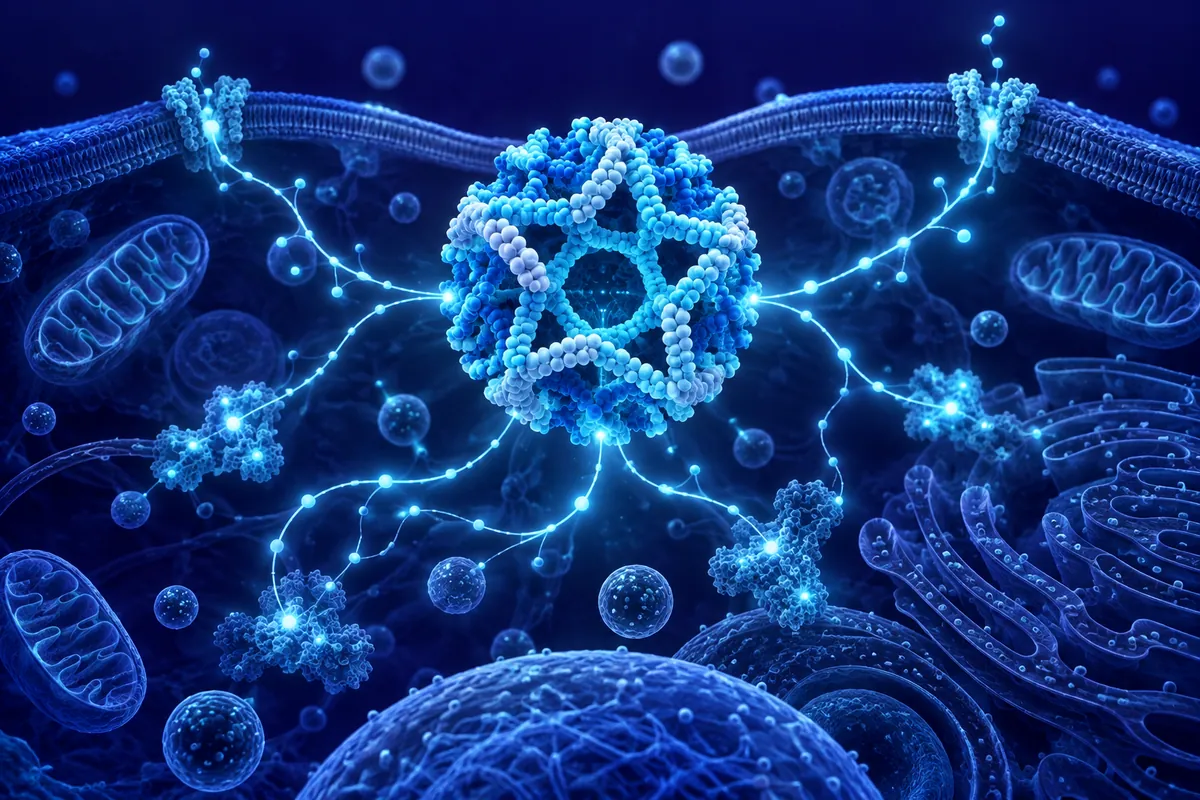
They are found in organisms ranging from plants and insects to mammals, suggesting an evolutionary origin predating the adaptive immune system by hundreds of millions of years. In humans, defensins are produced by neutrophils, Paneth cells in the intestinal crypts, and epithelial cells across mucosal surfaces.
But research over the past two decades has revealed that defensins are far more than molecular antibiotics.
Classification: Alpha, Beta, and Theta
Human defensins fall into two major subfamilies based on the spacing and connectivity of their six conserved cysteine residues, which form three intramolecular disulfide bonds.
Alpha-defensins (HNP-1 through HNP-4, HD-5, and HD-6) are found predominantly in neutrophil granules (HNP-1 to -4) and Paneth cells of the small intestine (HD-5 and HD-6). They are stored as inactive precursors and activated by proteolytic cleavage : trypsin for intestinal defensins, neutrophil elastase for granule defensins. Concentrations in activated neutrophils can reach milligrams per milliliter : enough to sterilize local environments at sites of infection.
Beta-defensins (HBD-1 through HBD-4 and additional family members) are expressed by epithelial cells throughout the skin, respiratory tract, urogenital tract, and gastrointestinal tract. Unlike alpha-defensins, many beta-defensins are inducible : their expression increases dramatically in response to microbial signals (LPS, flagellin) and pro-inflammatory cytokines (IL-1β, TNF-α).
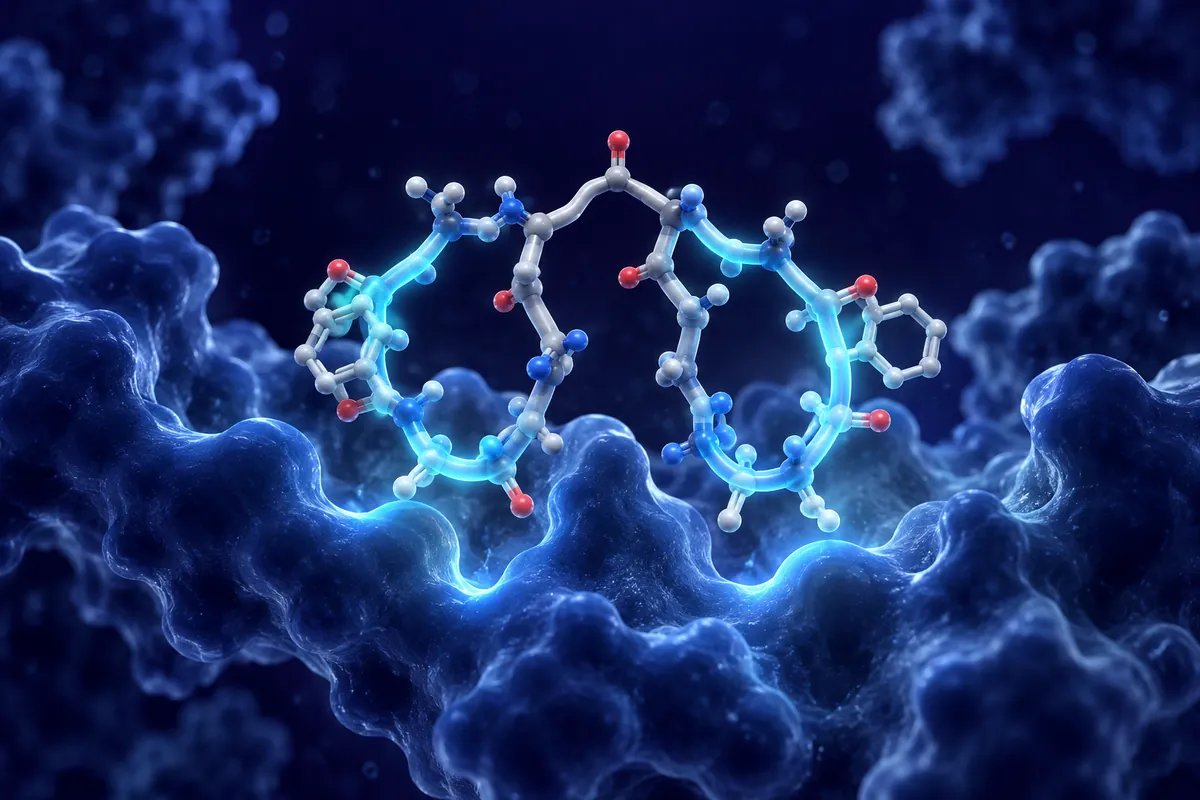
Theta-defensins are cyclic peptides found in some non-human primates. The human genome contains theta-defensin genes, but a premature stop codon prevents their translation.
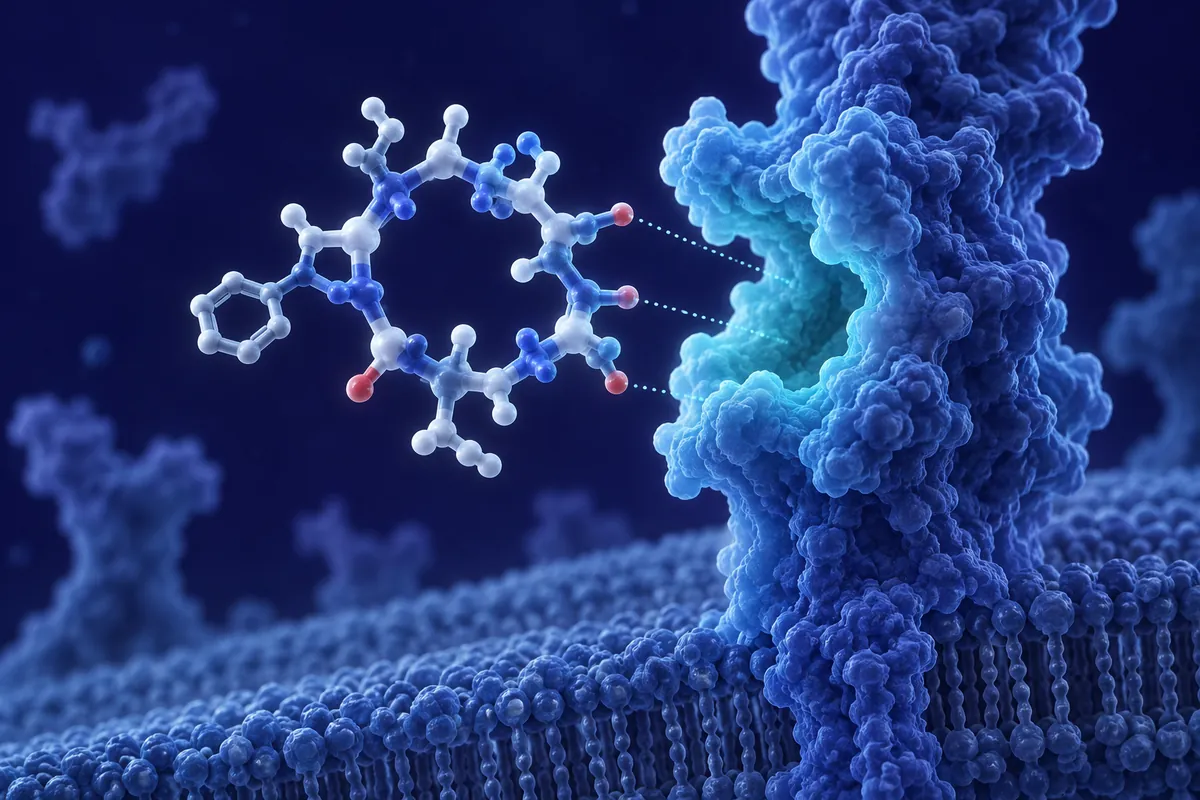
Their amphipathic structure : cationic face attracted to negatively charged bacterial membranes, hydrophobic face inserting into the lipid bilayer : creates pores or destabilizes membrane integrity. This electrostatic selectivity is key: mammalian cell membranes, which are enriched in neutral phospholipids and cholesterol, are relatively resistant to defensin attack.
However, membrane disruption is not the whole story. HD-5 forms nanonets : ordered oligomeric structures that physically trap bacteria in the intestinal lumen without killing them, a mechanism discovered by Chu and colleagues in 2012. HNP-1 inhibits bacterial cell wall synthesis by binding lipid II, the same target exploited by the antibiotic vancomycin. And several defensins interfere with intracellular processes after membrane translocation, disrupting DNA replication and protein synthesis.
The diversity of killing mechanisms explains why bacteria have difficulty developing resistance to defensins compared to conventional antibiotics that target single molecular processes.
Immunomodulatory Functions
Defensins and the Microbiome
Paneth cell defensins (HD-5 and HD-6) are major determinants of small intestinal microbial composition. Studies using transgenic mice expressing human HD-5 show significant shifts in gut microbial community structure compared to wild-type animals.
The relationship is bidirectional.
HNP-1 stimulates fibroblast proliferation and extracellular matrix deposition.
Disclaimer: This content is intended for research purposes only and is not meant to constitute medical advice.
This educational material discusses laboratory research concepts only. Loti Labs products are intended strictly for research and development use and are not for human consumption.