Introduction: The Rationale for Dual-Peptide Research
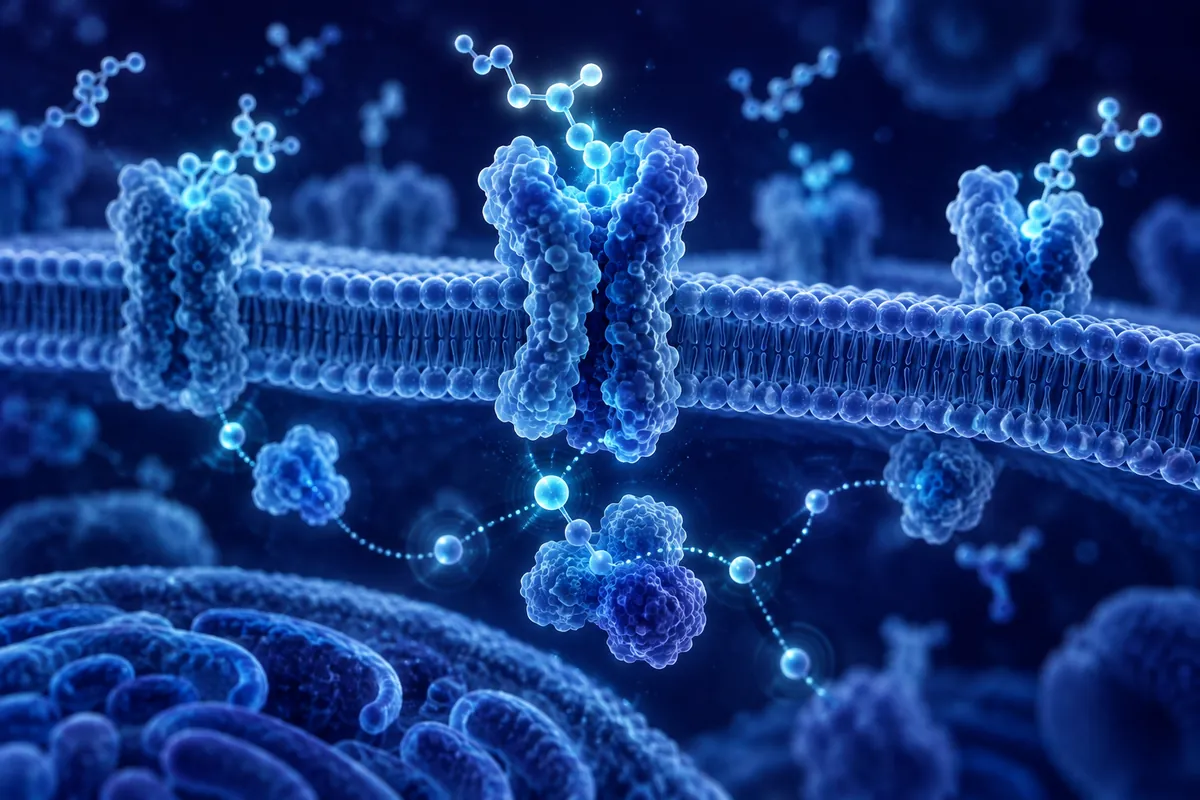
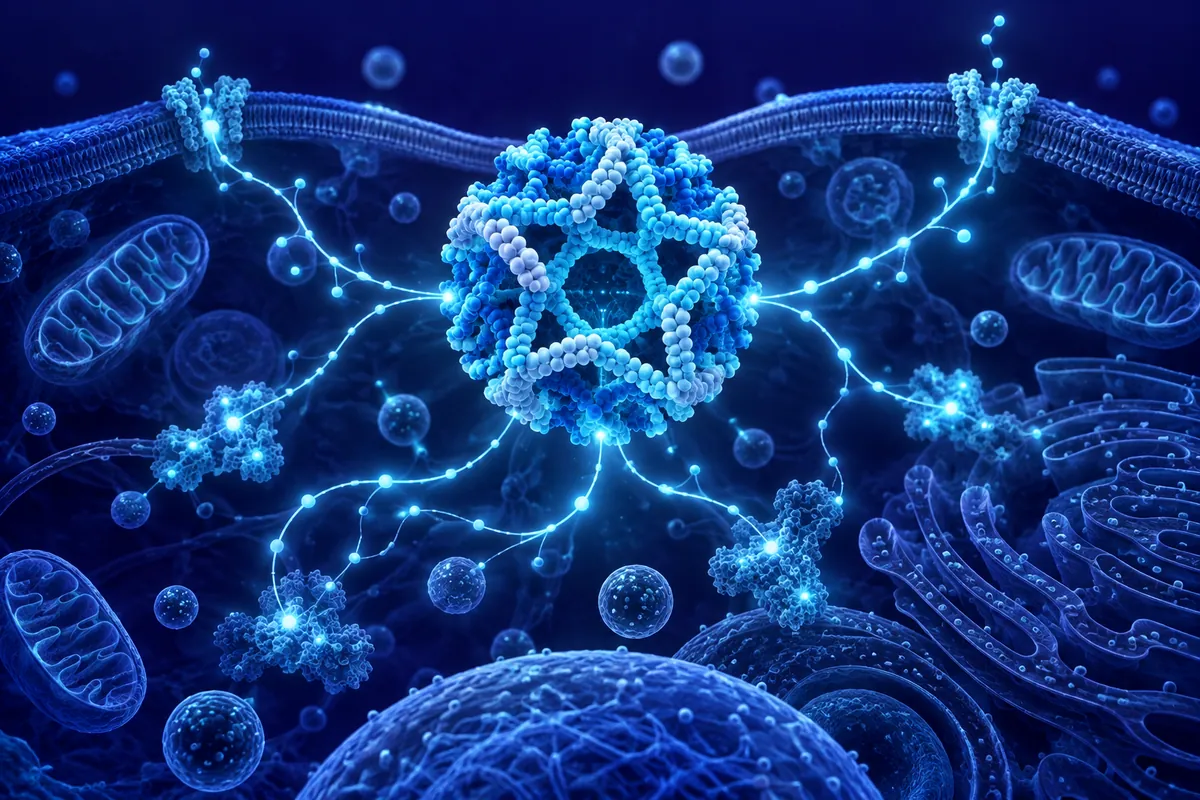
In the evolving landscape of regenerative medicine, researchers are looking beyond single-molecule interventions. The spotlight has shifted toward the combined application of BPC-157 and TB-500. While each peptide has demonstrated significant potential in isolated laboratory studies, their concurrent use in research models suggests a powerful, synergistic relationship. This isn’t just additive; it is a strategic alignment of biochemical pathways. BPC-157 primarily drives the vascular and growth factor response, whereas TB-500:a synthetic derivative of Thymosin Beta-4:orchestrates cellular migration and cytoskeletal reorganization.
What governs the crosstalk between these distinct signaling cascades?
BPC-157: The Angiogenic Catalyst
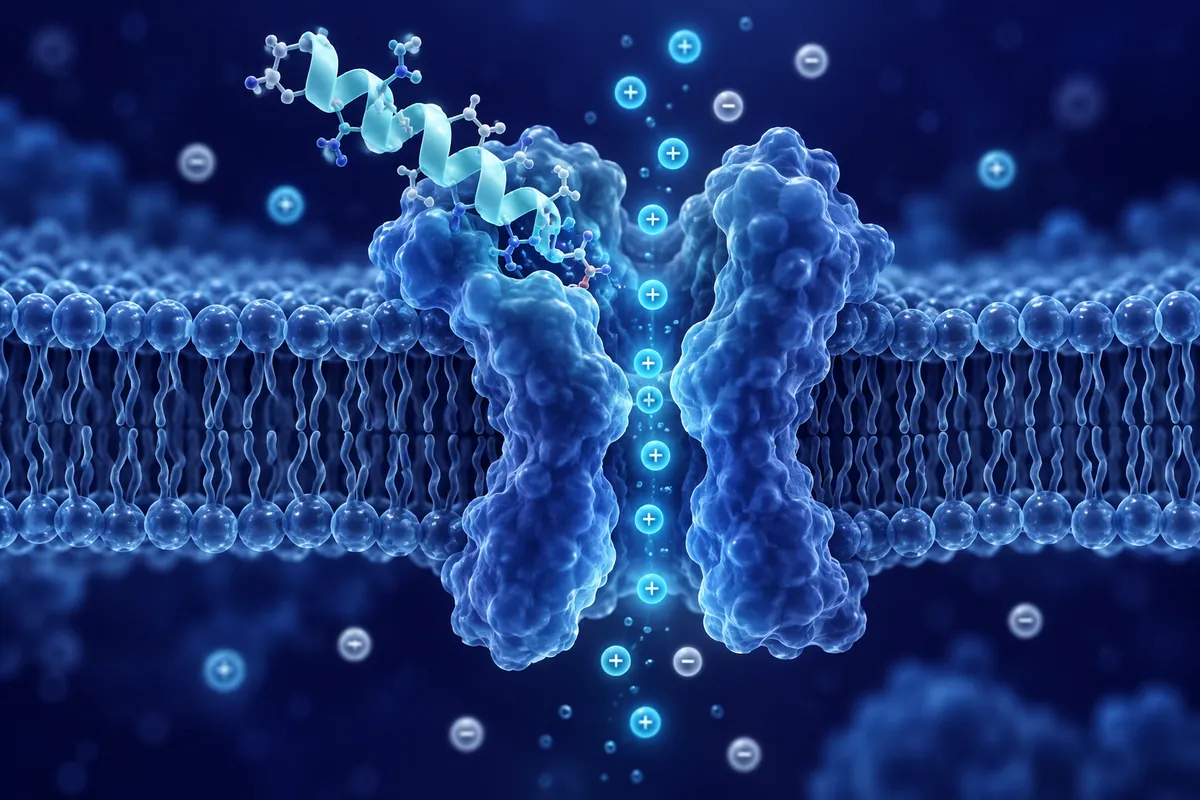
BPC-157, or Body Protection Compound 157, is a pentadecapeptide originally derived from human gastric juice. It is remarkably stable. The primary mechanism? The robust upregulation of Vascular Endothelial Growth Factor (VEGF). This critical signaling protein serves as the master switch for vasculogenesis and the formation of new capillary networks.
The influence of BPC-157 extends deeper than VEGF alone. It actively modulates the expression of early growth response 1 (EGR-1) and triggers the activation of the VEGFR2 signaling pathway, a key driver of endothelial cell proliferation. Its ability to forge new blood vessels is the cornerstone of its utility, especially in research models involving ischemic or poorly vascularized environments.
TB-500 (Thymosin Beta-4): Master of Cellular Migration
TB-500 is a synthetic peptide sequence representing the active domain of Thymosin Beta-4 (Tβ4). While BPC-157 builds the plumbing, TB-500 manages the movement. It is primarily recognized for its sophisticated interaction with the cellular cytoskeleton. The peptide features a specific WH2 (Wiskott-Aldrich syndrome protein homology 2) domain, which allows it to bind with high affinity to G-actin (monomeric actin).
By sequestering G-actin, TB-500 prevents its premature polymerization into F-actin. This maintains a ready pool of available monomers essential for cell motility. Without this fluidity, progenitor cells and fibroblasts would remain stagnant.
The Synergy Hypothesis: Parallel Mechanistic Pathways
Think of it as a construction site. BPC-157 provides the “infrastructure” by ensuring blood flow and nutrient delivery. But how do these two systems communicate under stress?
In a theoretical laboratory model, BPC-157’s upregulation of VEGF ensures the damaged area is flooded with oxygen via new microvessels. Simultaneously, TB-500’s actin-sequestering properties allow fibroblasts and keratinocytes to glide through the extracellular matrix with minimal resistance.
Rodent models have provided the most compelling evidence for this peptide duo. The data is telling.
Precision is paramount. When designing protocols for BPC-157 and TB-500, researchers must account for their divergent chemical profiles. BPC-157 is famously resilient across various pH levels. In contrast, TB-500 is more delicate and requires specific handling to preserve its bioactivity.
Timing matters. Because TB-500 typically possesses a longer systemic half-life than the more localized BPC-157, researchers often vary the frequency of administration.
Conclusion: Future Directions in Peptide Science
The pairing of BPC-157 and TB-500 is a frontier of preclinical research. As analytical techniques like RNA sequencing become more accessible, further investigation into the PI3K/Akt and VEGF pathways will likely reveal even more nuanced interactions.
Current data from rodent and in vitro models is promising, yet the work is far from finished. Continued, rigorous study is essential to fully map the molecular handshake between these two compounds.
Disclaimer: This content is intended for research purposes only and is not meant to constitute medical advice.
This educational material discusses laboratory research concepts only. Loti Labs products are intended strictly for research and development use and are not for human consumption.