Introduction to AOD-9604: The C-Terminal Fragment
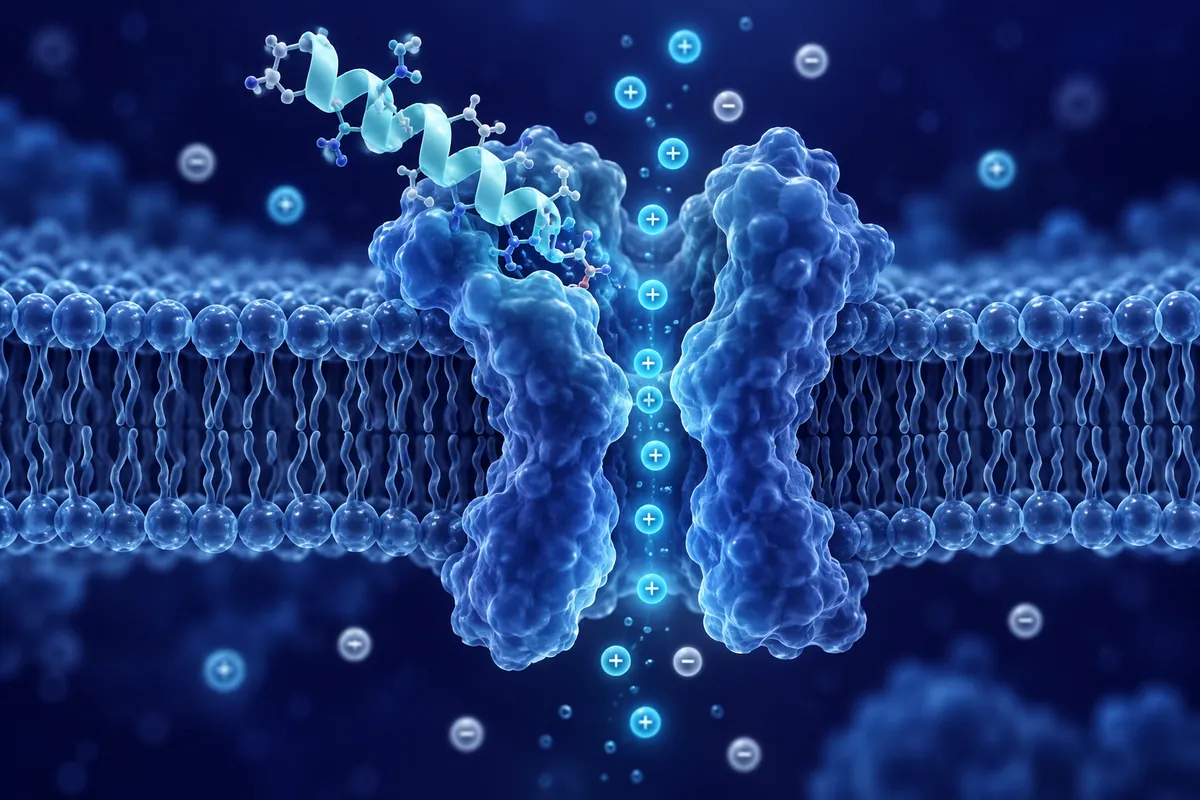
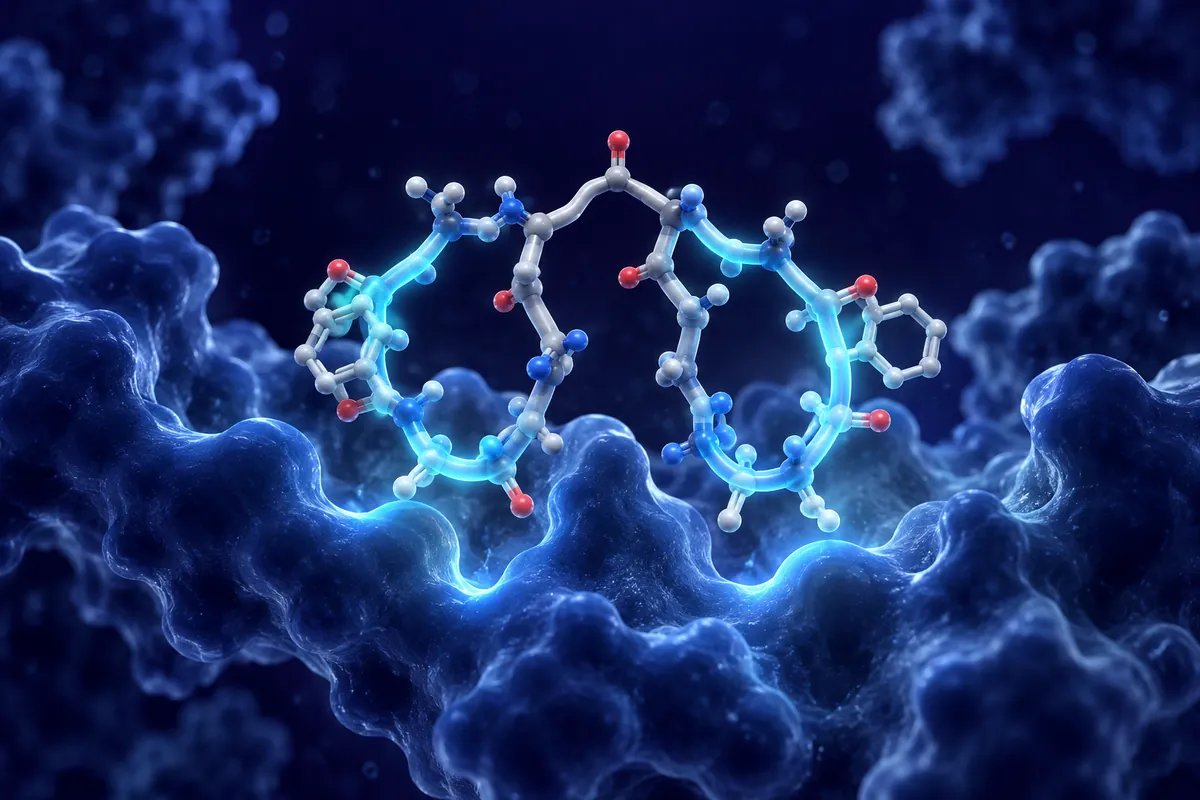
AOD-9604, often cataloged as Tyr-hGH Frag 176-191, is a precision-engineered synthetic peptide representing the C-terminal tail of the human growth hormone (hGH) molecule. It specifically isolates amino acids 176 through 191. To bolster structural stability against proteolytic degradation, a tyrosine residue is appended to the N-terminal. In the competitive landscape of peptide research, this fragment has sparked intense curiosity. Why?
Mechanism of Action: Adipocyte Signaling and Beta-3 Adrenergic Receptors
The primary intrigue surrounding AOD-9604 lies in its mastery over lipolysis:the enzymatic breakdown of triglycerides into glycerol and free fatty acids. This distinction is vital.
Preclinical data suggests that AOD-9604 acts as a selective agonist for beta-3 adrenergic receptors (β3-AR) found on the adipocyte surface. What drives this selectivity at the receptor level? Once bound, the peptide initiates a rapid intracellular cascade, primarily activating adenylate cyclase. This enzyme catalyzes the conversion of ATP to cyclic adenosine monophosphate (cAMP). As cAMP levels surge, they activate hormone-sensitive lipase (HSL), the “gatekeeper” enzyme that facilitates the mobilization of stored fats.
The peptide doesn’t stop at destruction; it also plays defense. Research models indicate it may inhibit lipogenesis, preventing the conversion of non-fat substrates into new lipid stores. By modulating these dual pathways, AOD-9604 provides a robust framework for studying the molecular switches of fat mass regulation in controlled environments.
AOD-9604 in Preclinical Research Models
The biochemical behavior of AOD-9604 is well-documented across a spectrum of models, from in vitro cultures to complex in vivo rodent studies. The ob/ob mouse remains a gold standard here.
In the lab, researchers use primary human adipocytes to quantify glycerol release following peptide exposure. These assays are essential for mapping concentration-response curves and determining potency.
Comparative Analysis: AOD-9604 vs. Full-Length hGH
A significant portion of modern inquiry focuses on how AOD-9604 stacks up against its parent molecule. Selectivity is the fragment’s greatest asset. Full-length hGH interacts with the growth hormone receptor (GHR) globally. This often leads to experimental headaches like insulin resistance, peripheral edema, and excessive IGF-1 production.
AOD-9604 avoids these pitfalls. It does not appear to bind to the GHR in a manner that triggers systemic growth, allowing for the isolated study of lipid oxidation. Furthermore, the fragment boasts a more resilient pharmacokinetic profile. While the 191-amino acid hGH requires intricate folding to remain bioactive, the 176-191 string is smaller and more robust. This structural simplicity makes it far easier to manipulate within various experimental buffers and delivery systems.
Glucose metabolism is another point of divergence. While full-length hGH is notorious for decreasing insulin sensitivity in many models, AOD-9604 frequently shows no impact on blood glucose levels.
Maintaining the structural integrity of AOD-9604 is a non-negotiable requirement for any researcher. The peptide is typically supplied as a lyophilized powder. This freeze-dried state is the most stable form for transport and long-term storage, protecting the delicate peptide bonds from premature hydrolysis.
Precision is key. The peptide should be dissolved by gentle swirling; never shake the vial. Vigorous agitation can cause mechanical shear, degrading the amino acid chain and ruining the sample. The final concentration is dictated by the specific needs of the adipocyte assay or the animal model in question.
Storage and Half-Life
Once in solution, AOD-9604 becomes vulnerable to temperature swings and enzymatic action. Standard protocols require the liquid to be kept between 2°C and 8°C. For the lyophilized powder, long-term preservation requires temperatures of -20°C or lower to prevent deamidation or oxidation of the residues. Mastering these stability factors is the only way to ensure reproducible, high-quality data.
Conclusion: The Future of Lipolysis Research
AOD-9604 remains a cornerstone in the study of C-terminal functionality. By isolating the lipolytic domain of hGH, scientists have mapped how specific sequences influence β3-adrenergic signaling and cAMP pathways.
As preclinical research moves forward, AOD-9604 continues to be a vital tool for dissecting adipocyte signaling. Whether it is used in high-throughput screenings or deep-dive rodent studies, the fragment provides a level of specificity that is rare in metabolic research. Future investigations will likely push into broader contexts, further clarifying the elegant link between peptide architecture and physiological response.
Disclaimer: This content is intended for research purposes only and is not meant to constitute medical advice.
This educational material discusses laboratory research concepts only. Loti Labs products are intended strictly for research and development use and are not for human consumption.